Organic Cotton Summit in Istanbul Targets Traceability and Climate Resilience
Organic cotton’s biggest test is financing the transition, with only 58% of in-conversion cotton bought at premium prices even as Istanbul prepares to push for traceability and climate resilience.
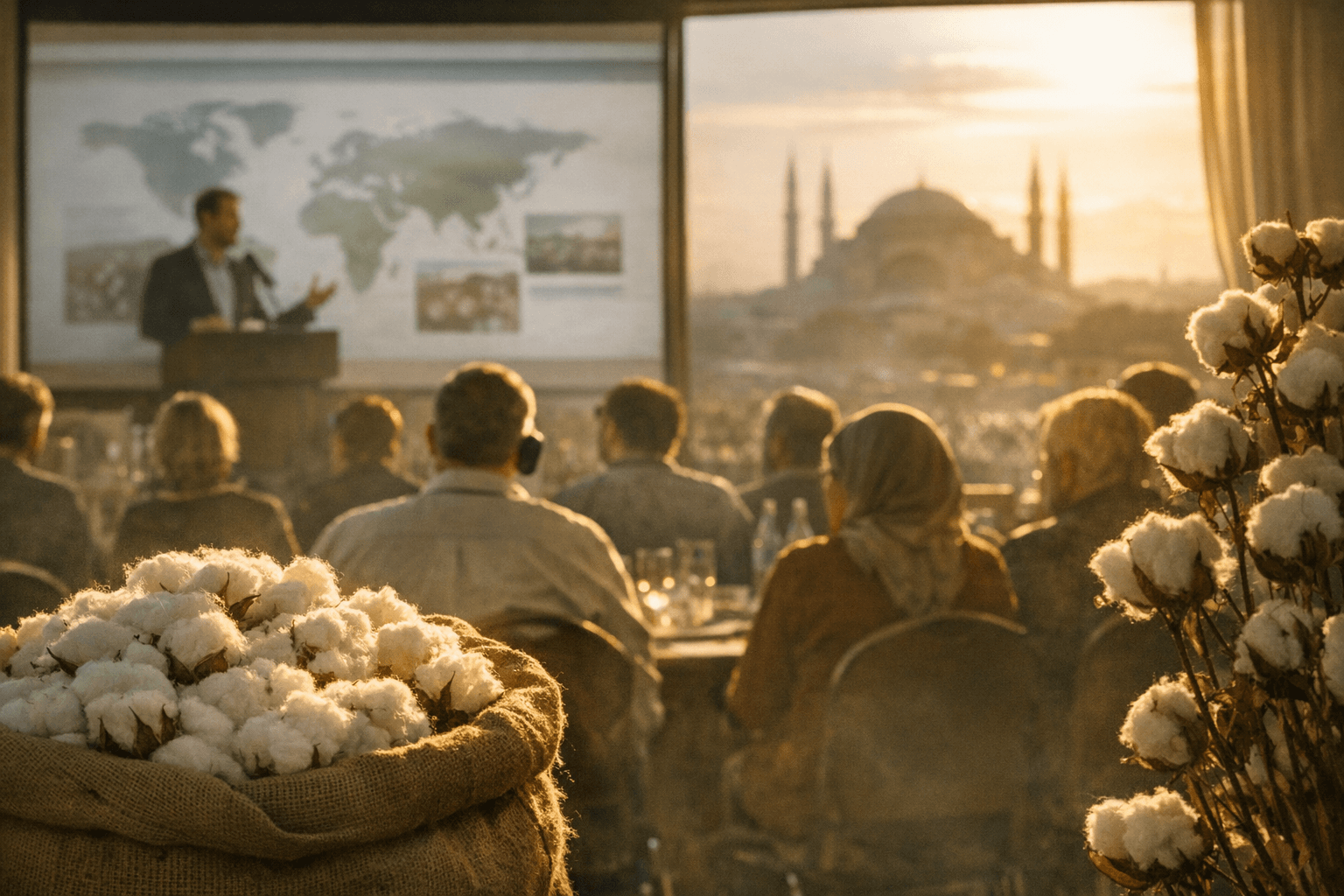
The case for organic cotton will be made on numbers, not mood, when brands, farmers and policymakers gather in Istanbul for a summit built around the supply chain’s three pressure points: traceability, climate resilience and financing. The Organic Cotton Summit will run June 2-4, 2026 at the Marriott Hotel Şişli, co-hosted by the Organic Cotton Accelerator and Textile Exchange, with an optional field trip to organic cotton farms in Türkiye’s Aegean region.
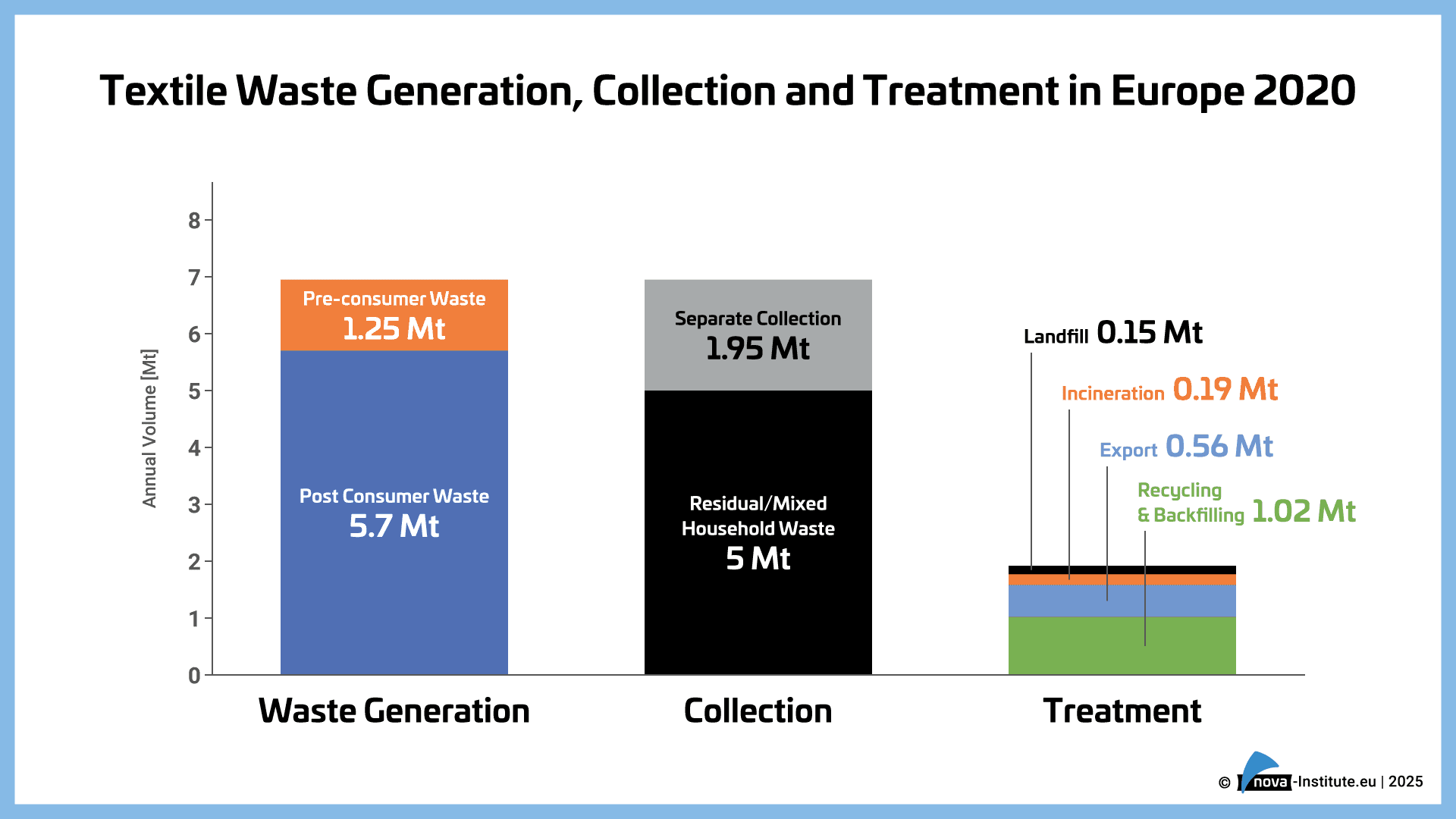
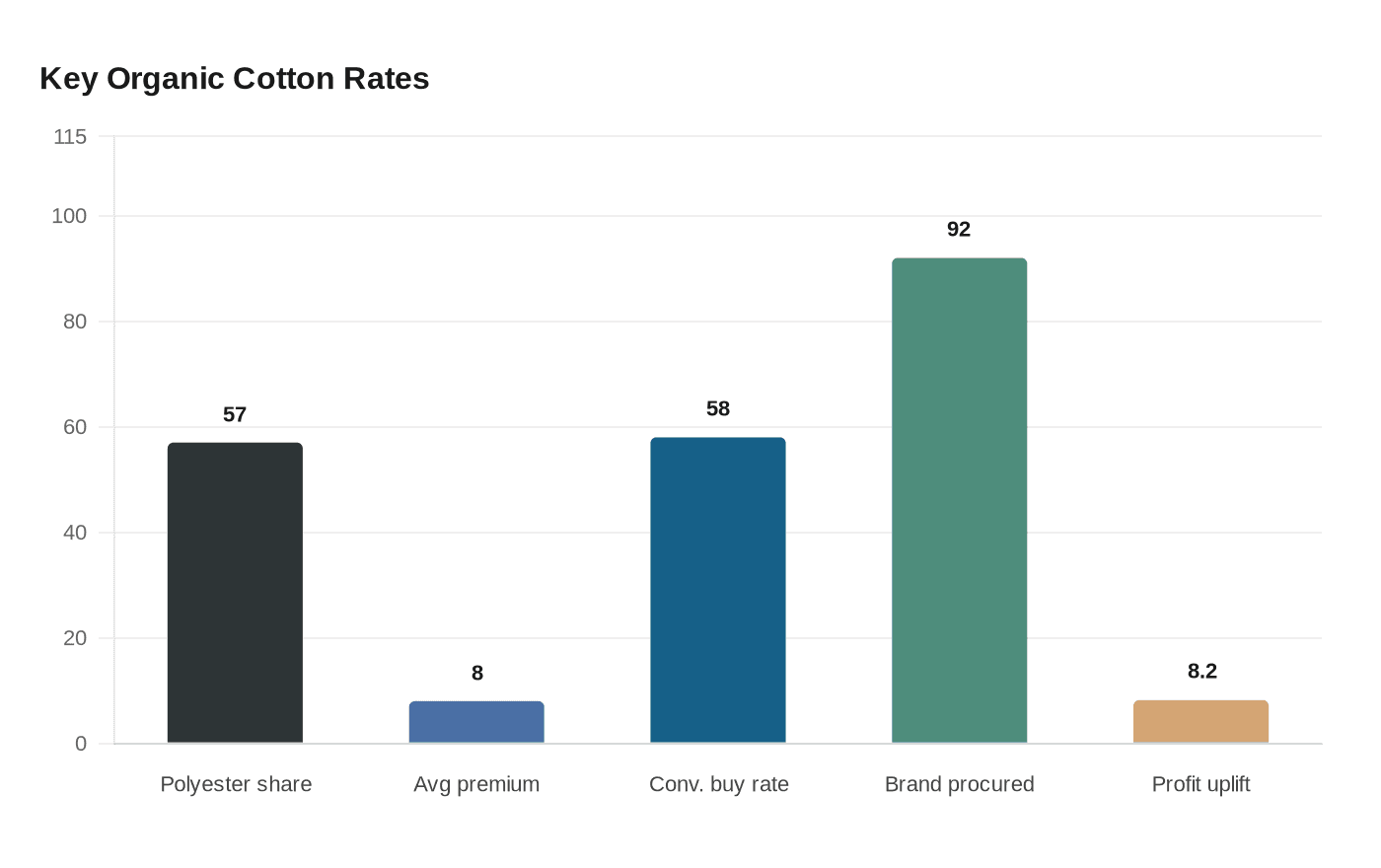
The timing is blunt. Textile Exchange says global fiber production hit an all-time high of 124 million tonnes in 2023, up from 116 million tonnes a year earlier, while virgin fossil-based synthetic fiber production climbed from 67 million tonnes to 75 million tonnes. Polyester still dominated the market at 57 percent of total fiber production. In that context, organic cotton is not being sold as a feel-good alternative. It is being pushed as a system that has to prove scale, provenance and price discipline at the same time.
That is why traceability sits near the top of the summit agenda. Textile Exchange says “organic” is legally controlled at the farm level, while chain-of-custody tools such as the Organic Content Standard are used after the fiber leaves the farm to track provenance and reconcile volumes. For brands, that distinction matters. It is the difference between a farm-level promise and a supply-chain paper trail that can survive spinning, blending and manufacturing.
The financing challenge is even starker. OCA says its 2023-2024 season involved 82,264 farmers in India and Pakistan, including 35,070 in-conversion farmers, across 106,010 hectares. Those farmers earned an average 8 percent premium above market price, and OCA says participating brands procured 92 percent of the available organic cotton produced at a higher price. But only 58 percent of in-conversion cotton was purchased at premium prices, a gap that exposes how fragile the transition remains for farmers waiting the usual two to three years before land can be certified organic.
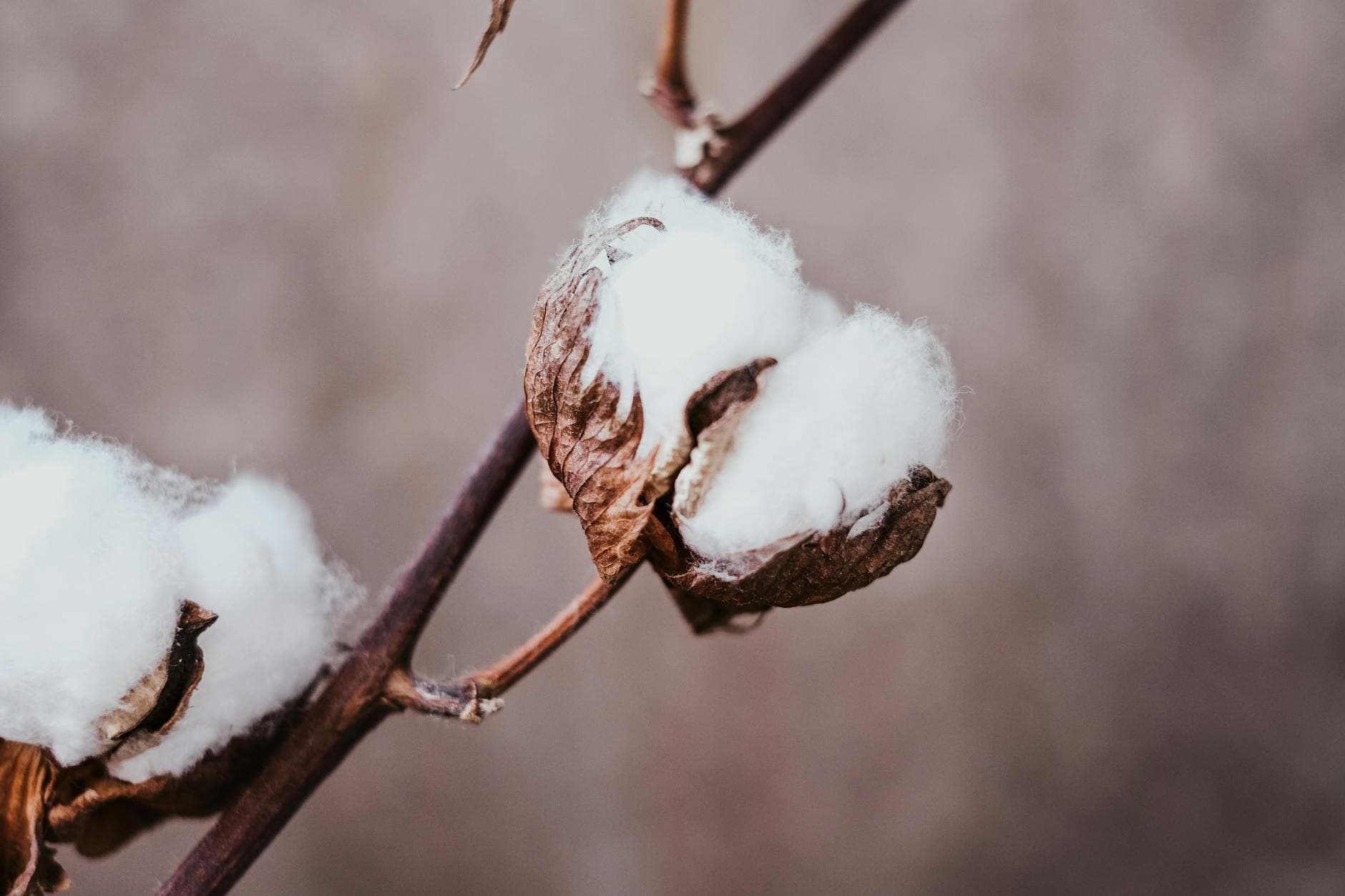
The economics are not trivial. OCA says farmers in its programme earned an average total profit of €2,110 per hectare from all crops, 8.2 percent higher than conventional farmers, and it facilitated more than €4.76 million in premium payments in 2024. Its 2024-2025 season then pushed the Farm Programme past 100,000 farmers, with 35,000 in-conversion farmers, 106,000 hectares of cotton production, 18 brands, 14 implementing partners and 11 seed partners.
The summit will mix keynote sessions, policy panels, market and innovation discussions, practical workshops and regional meetings, all aimed at the same question: what can brands actually lock in over the next 12 months? If Istanbul produces anything concrete, it will need to be more than goodwill. It will need standards, procurement commitments and policy asks that make organic cotton easier to buy, easier to verify and easier to keep alive through the transition.
This article was produced by Prism’s automated news system from verified source data, official records, and press releases, then run through automated quality and moderation checks before publishing. The system is built and supervised by the people who set the standards it runs under. Read our full AI policy.
Did this article answer your question?