Denim Première Vision Milan deepens eco focus and circular production
A bio-based blue dye, Tunisia’s circular apparel push, and student labs turned Milan’s denim fair into a test of scale, not slogans.
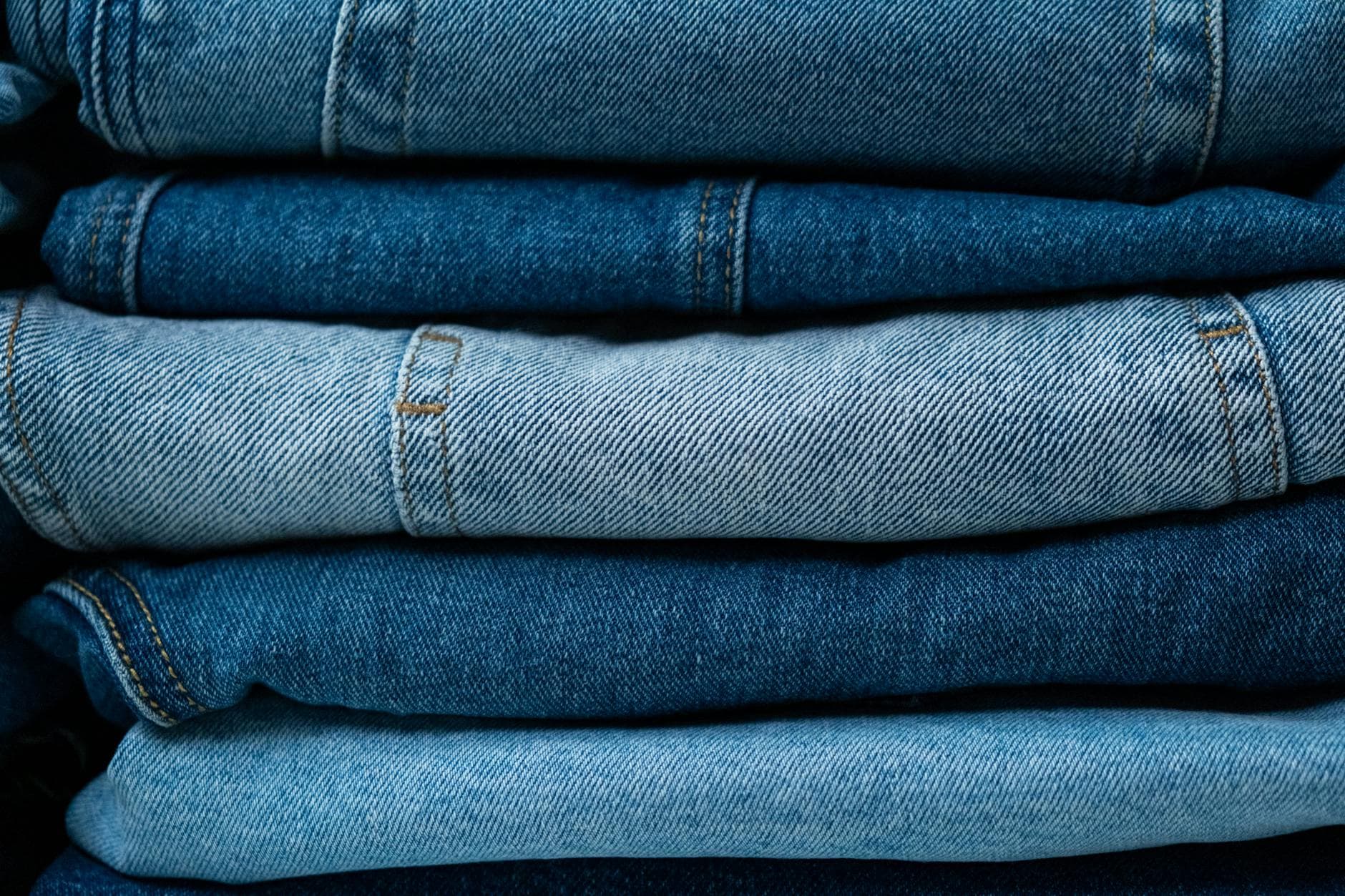
Denim Première Vision opened in Milan with its sharpest sustainability pitch yet: not mood-board eco talk, but production tools built to cut the industry’s waste problem at the root. The ninth Milan edition, held at Superstudio Più under the patronage of the Municipality of Milan, brought together 60-plus exhibitors from 13 countries, with more than 60 percent coming from denim mills and fabrics. Ten percent of the lineup was new this year, and the AW 27-28 preview leaned into adaptive matter, visible process, regenerative logic, and expressive imperfection, a smarter brief for a category that still lives and dies by wash water, chemistry, and scale.
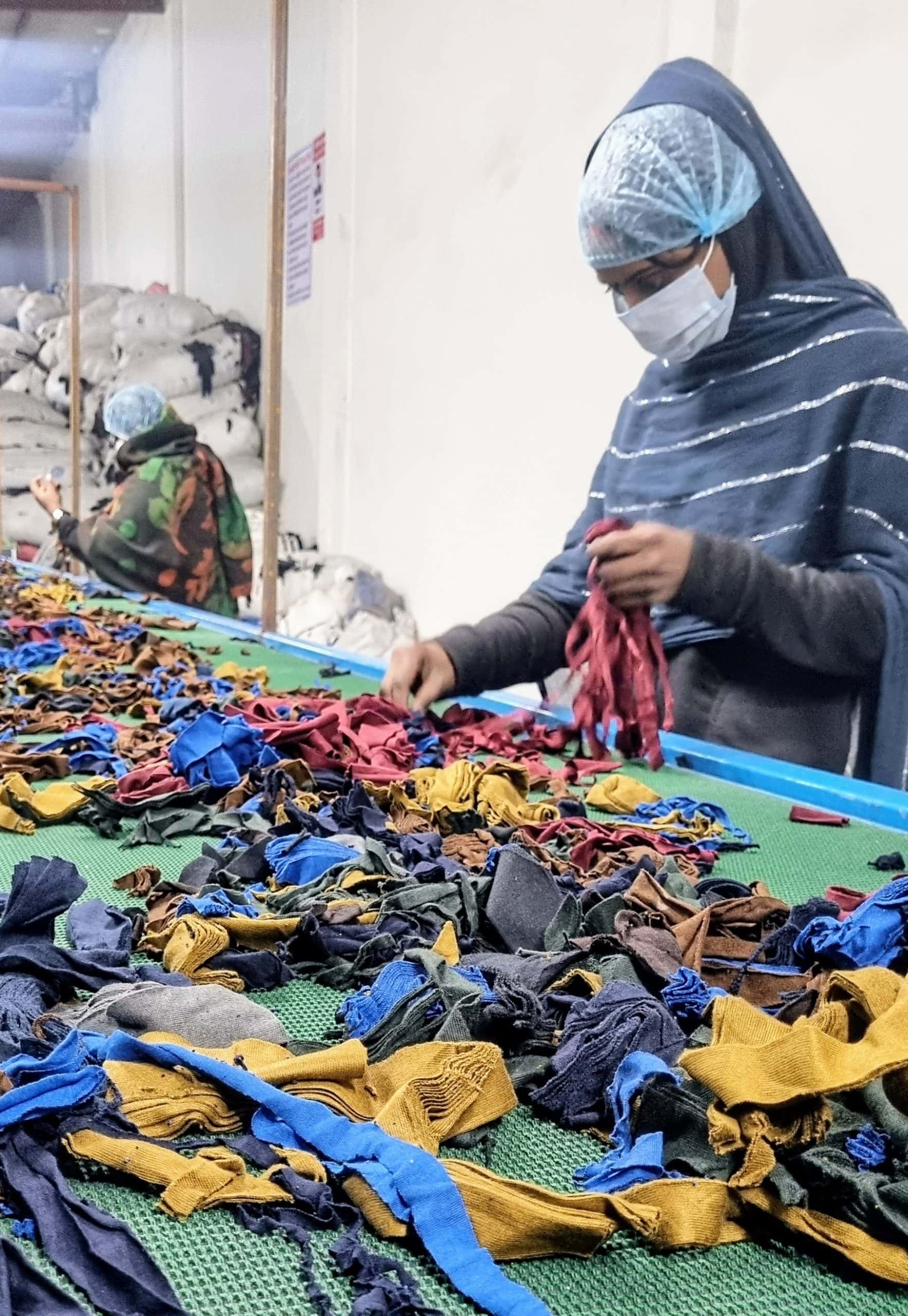
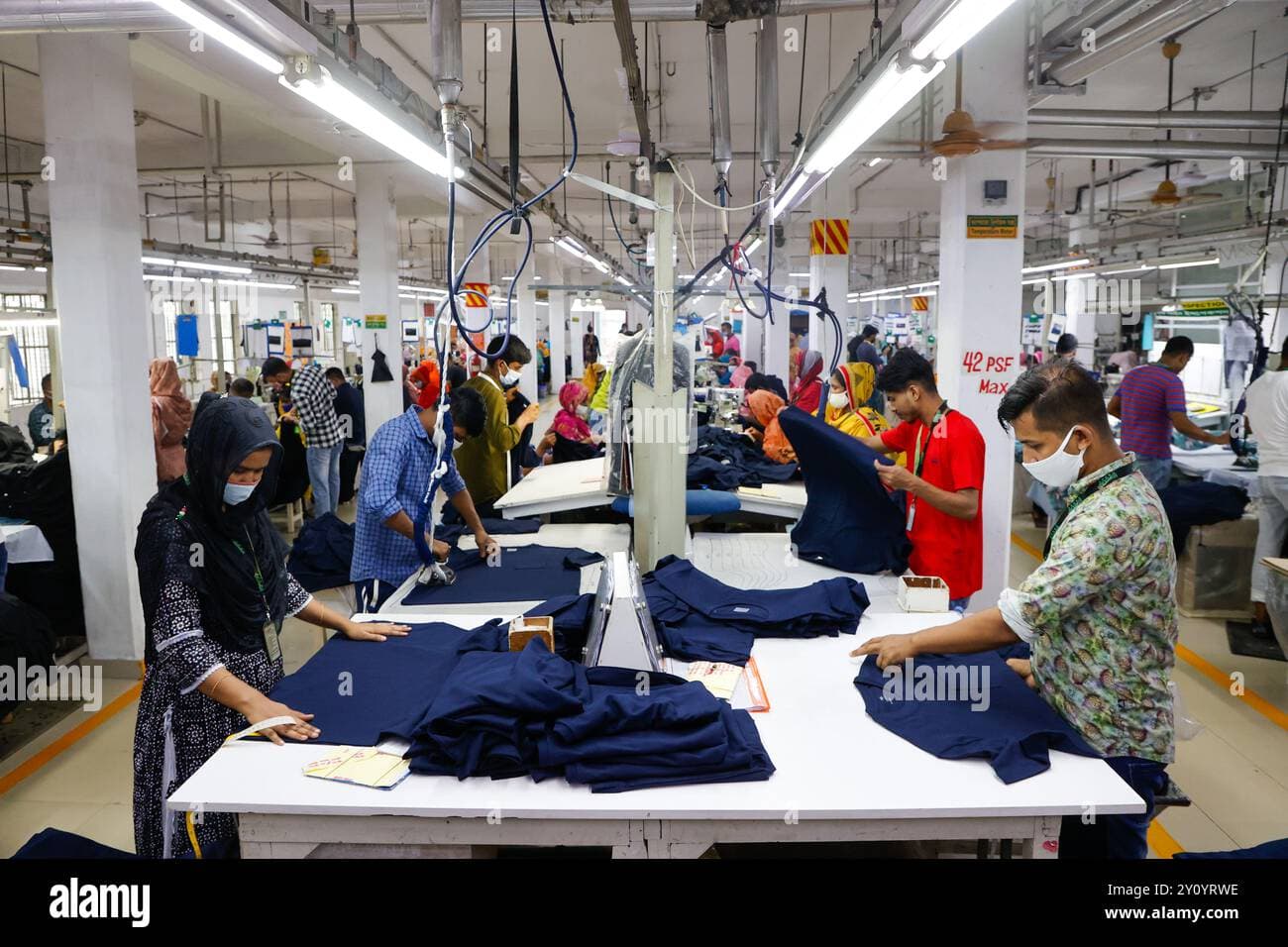
The clearest sign that the fair wants to move beyond sourcing theater was Circular Apparel Tunisia, the project highlighted with CBI. The four-year program is supporting 18 Tunisian companies as they shift toward circular production and build business relationships that fit European market requirements. That matters because denim suppliers are under growing pressure to prove they can do more than make jeans look good on a rail. They have to show they can manufacture cleaner, trace less waste, and still hit the commercial standards buyers demand.
The other big draw was Redefining Blue, the collaboration with Chloris. At the show, Denim Première Vision and Chloris unveiled the latest developments in Claessen Blue and the first results from the project’s initial phase. Chloris describes Claessen Blue as a bio-based blue amino-acid dye that can run on existing indigo lines, which is exactly the kind of claim mills care about because it speaks to retrofitting, not fantasy. Chloris also says the dye uses scalable fermentation technology and carries patent protection, giving the project a serious industrial edge rather than a lab-only sheen. A roundtable on the validation and research phase brought together Li Li, Fabio Adami Dalla Val, and moderator Maria Cristina Pavarini, underscoring that the conversation was about proof, not polish.
The education piece was just as pointed. Denim Première Vision deepened its tie-up with Istituto Marangoni Milano, and four exhibitors, Isko Luxury by PG, Advance Denim, Officina39, and Tonello, hosted exclusive sessions there. Student projects were shown in the central pavilion, and Lolie Bernard was scheduled to present What if this was enough? on May 21 at 1pm, a title that landed with unusual honesty in a hall full of technical claims. The message from Milan was blunt: denim’s next chapter will be written by mills, dye houses, and young designers who can turn sustainability from a talking point into a production standard.
Know something we missed? Have a correction or additional information?
Submit a Tip