Desigual and Ottolinger turn archive pieces into upcycled capsule collection
Desigual will sell an Ottolinger upcycled capsule on September 3, turning archive stock into Barcelona-made pieces as it leans harder into circularity.

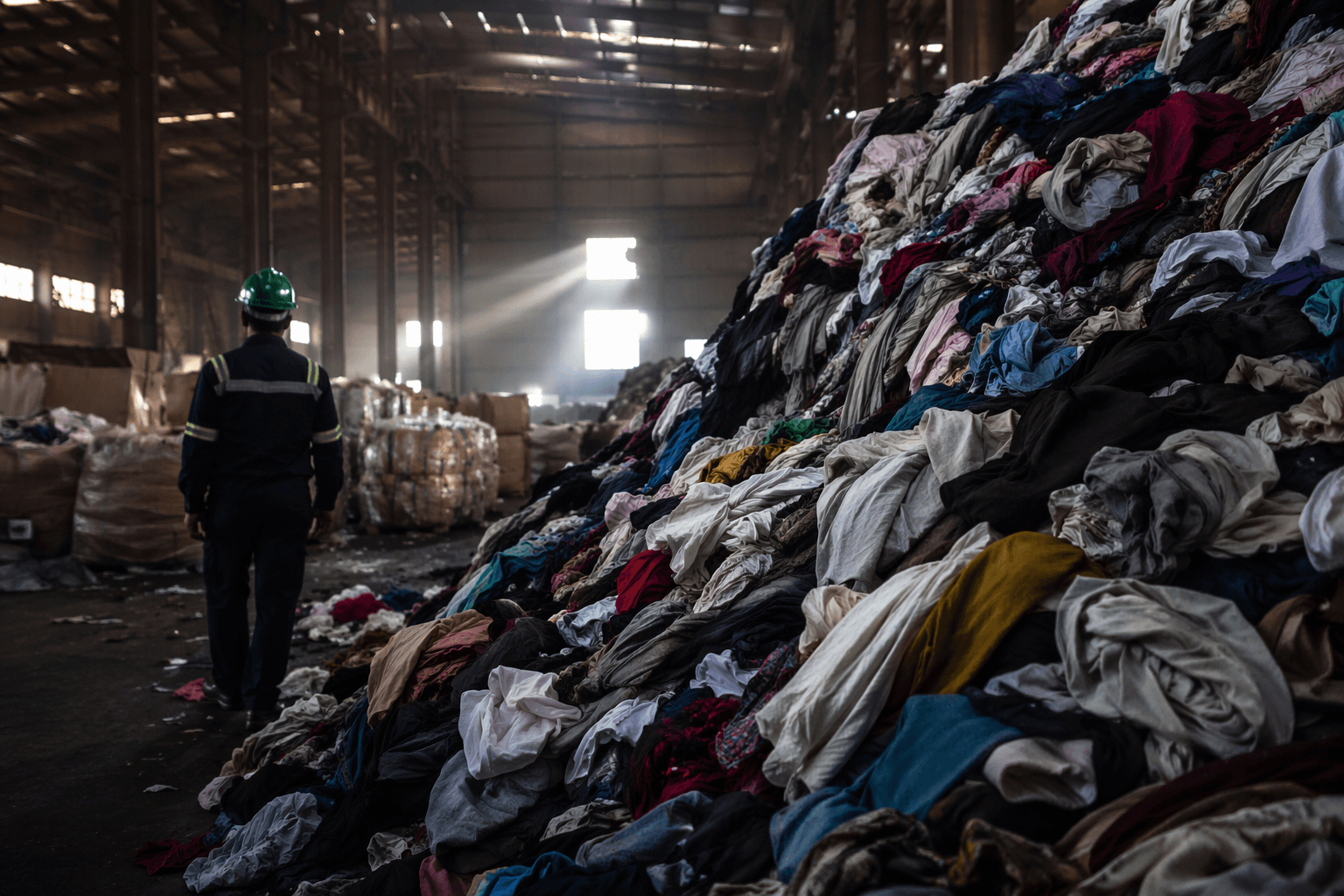
Desigual is putting its archive to work in a way that feels less like a nostalgia exercise and more like a production test. The Barcelona-born brand will release an upcycled capsule with Berlin label Ottolinger on September 3, built from garments pulled from Desigual’s own archive and remade into exclusive pieces, handcrafted in Barcelona.
That detail matters because the whole proposition lives or dies on logistics. Archive-led fashion can look chic on a runway and still collapse when it hits cost, labor, and supply reality. Here, Desigual is not talking about a mass rerun of old hits. It is talking about limited, transformed stock, which immediately tightens supply and raises the value of each item before a customer even sees the rack. Handcrafting the pieces in Barcelona adds another layer of constraint, but also gives the project a cleaner story than generic recycling: the brand is keeping the work close to home and using existing material instead of starting from virgin fabric.
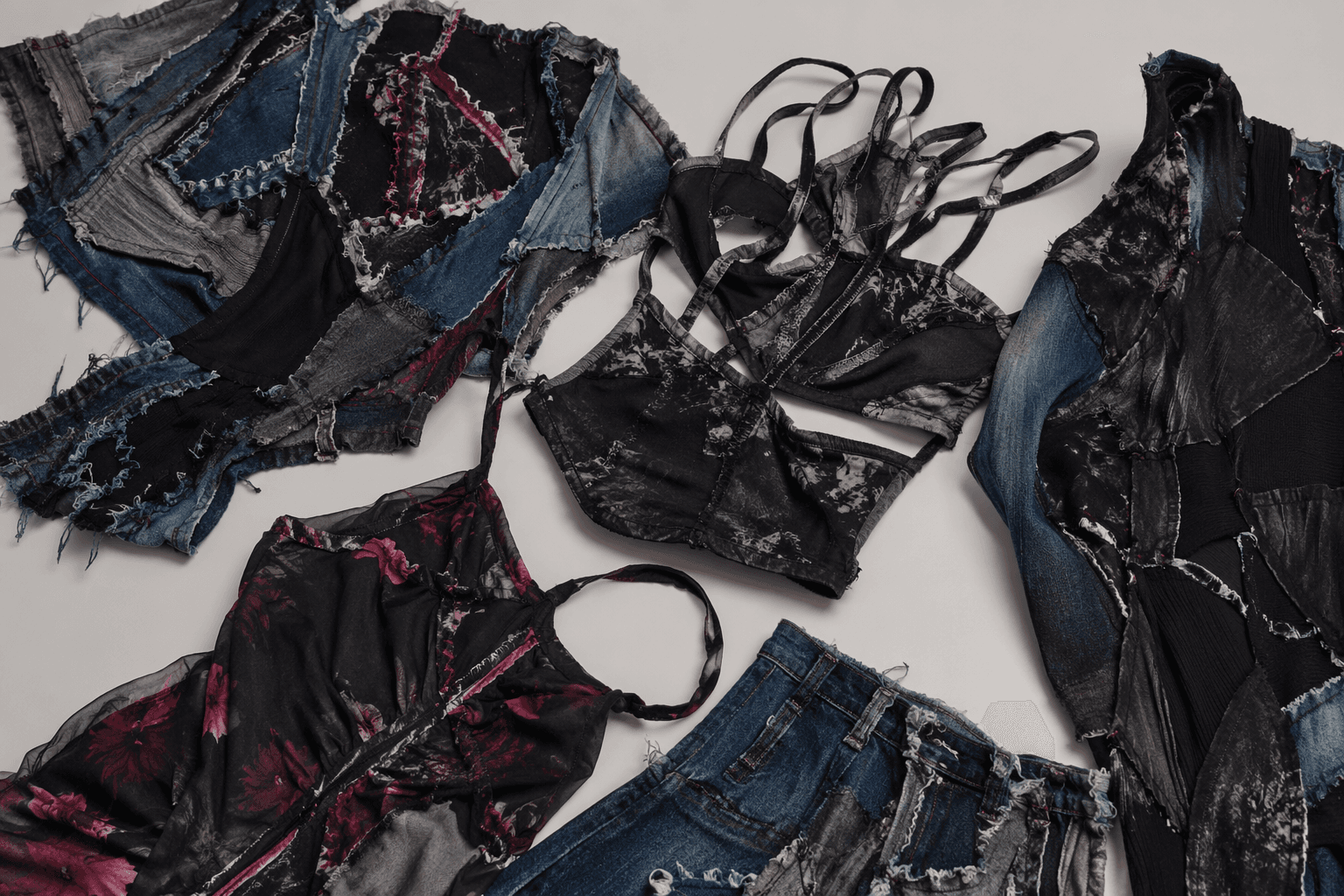
The collaboration’s origin story is pure Ottolinger. Christa Bösch and Cosima Gadient, who founded the Berlin label in 2015, reportedly bought vintage Desigual pieces on secondhand platforms, took them apart, and rebuilt them into their own visual language. That tracks perfectly with Ottolinger’s deconstructive reputation, the reason its knotted seams, slashed silhouettes, and intentionally raw finishes have found a following with names like Bella Hadid, Dua Lipa, Rosalía, and Kim Kardashian. For Desigual, that gives the capsule a sharper edge than a standard celebrity-friendly collab.
There is also a commercial logic underneath the cool-girl styling. Desigual has identified Germany as a key market and says the partnership fits a broader push toward a more elevated collaboration policy and a stronger international footprint. In plain terms, this is a brand trying to use design credibility to travel better. Archive stock becomes a raw material, not a dusty liability. Limited runs create scarcity. Scarcity creates margin room, at least in theory, if the pieces land with enough appetite to justify the labor.
The capsule follows other archive-facing moves from Desigual, including Desigual Vintage, a limited-edition release launched in Ibiza to mark the 40th anniversary of the brand’s first store there in 1986. Desigual was founded in Barcelona in 1984, and its sustainability materials now point to reduced waste through recycling and reuse, along with longer garment lifespans and new ways to extend the useful life of clothes. That is the real business question hanging over this drop: whether a company the size of Desigual can turn old stock into a repeatable operating model, or whether archive upcycling still works best as a very polished exception.
This article was produced by Prism’s automated news system from verified source data, official records, and press releases, then run through automated quality and moderation checks before publishing. The system is built and supervised by the people who set the standards it runs under. Read our full AI policy.
Did this article answer your question?