How to stay cool with lower-impact summer fabrics
Heat-ready dressing starts with fabric, not fantasy. The smartest summer buys are breathable, light, and named on the label: linen, hemp, TENCEL Lyocell, recycled cotton, and organic cotton.
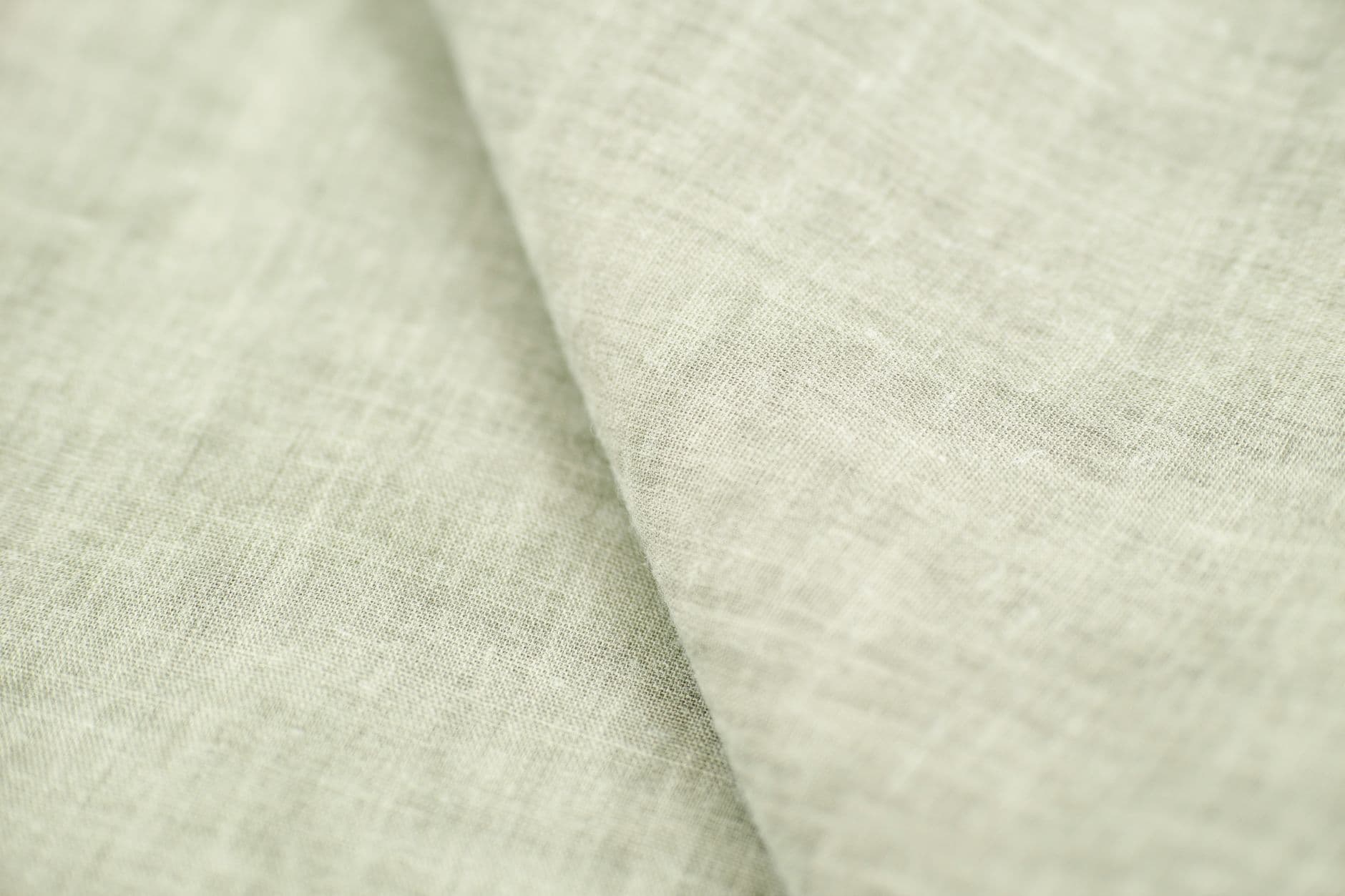
A linen overshirt is the easy standout in a heatwave. The fabric next to your skin has to do two jobs at once: move air, and avoid adding more waste to a closet that already has enough of it. The best answer is not a glossy new “cooling” gimmick, but a small, practical roster of lower-impact materials that actually wear like summer: organic linen, hemp, TENCEL Lyocell, recycled cotton, and organic cotton.
What your body needs in a heatwave
The Centers for Disease Control and Prevention keeps the advice blunt for a reason: wear loose, lightweight, light-colored clothing. Those three words matter because they help your skin cool more efficiently. For outdoor workers, breathable clothing can help reduce heat stress. The agency also advises planning tasks for earlier or later in the day to avoid midday heat, then cooling down with showers or baths once the temperature has done its worst.
That advice also extends beyond your outfit. The CDC tells people to check on a friend or neighbor during extreme heat, watch local heat and air-quality alerts, and never leave children or pets in cars.
The fabrics that earn a place in the heat
Among lower-impact materials, linen is the easy standout because it is lightweight, cooling, and durable. That is the rare combination that lets a shirt feel airy in August and still look good enough to pull back out next year. A linen overshirt, wide-leg trouser, or boxy button-down gives you texture without trapping heat, and the durability means you are not buying a one-season fix.
Hemp deserves the same serious attention. It belongs in the heat because it tends to sit in that crisp, breathable zone people want when the air gets sticky. Organic cotton is another useful summer workhorse, especially in looser knits and shirts that need to feel easy rather than engineered.
Then there is TENCEL Lyocell, which has become one of the more useful names in sustainable summer dressing. The Ellen MacArthur Foundation’s work on textile recycling shows that discarded cotton fibers can be transformed into feedstock for materials such as lyocell, reducing demand for virgin raw materials.
Recycled cotton sits in the same conversation. The Ellen MacArthur Foundation’s circularity research focuses on keeping cotton in play longer by turning discarded fibers into new material streams.
What the label should actually tell you
The clearest lower-impact labels name the fiber plainly: organic linen, organic hemp, recycled cotton, organic cotton, or TENCEL Lyocell. Those are the words that do the real work because they tell you something concrete about the material, rather than hiding behind vague promises of “sustainability” or “cooling” that may say more about marketing than about substance.

That distinction matters in summer, when brands love to sell comfort as if it were automatically responsible. A breathable dress can still be cut from a material with a heavy footprint, and a heat-friendly shirt can still be built around a throwaway purchase pattern.
For linen in particular, the appeal is not only climate comfort but staying power. Good On You highlights linen’s lightweight feel and durability in summer.
How circularity changes the buying math
The Ellen MacArthur Foundation frames textile circularity as a way to cut waste and preserve economic value, which is a more useful way to think about sustainability than the usual mood-board language. If materials can stay in the system longer, they are not only less wasteful; they are also more valuable over time.
Textile recycling is central to that shift. When discarded cotton fibers can be processed into feedstock for viscose or lyocell, the industry gets a route away from virgin raw materials and toward materials that can be recaptured and remade.
How to buy for a hotter, cleaner summer
A heatwave purchase should pass three tests before it earns space in your closet:
- It should match the CDC’s comfort rules: loose, lightweight, light-colored, and breathable.
- It should name the fiber clearly, with organic linen, hemp, TENCEL Lyocell, recycled cotton, or organic cotton at the top of the tag.
- It should be built to last beyond one sweltering month, which is where linen’s durability becomes as important as its cooling hand.
This article was produced by Prism’s automated news system from verified source data, official records, and press releases, then run through automated quality and moderation checks before publishing. The system is built and supervised by the people who set the standards it runs under. Read our full AI policy.
Did this article answer your question?