Textile recycling draws investment, but still can't solve fashion waste
Textile-to-textile recycling is pulling in serious capital, but weak collection, sorting and pricing still keep it from tackling fashion’s waste mountain.
Textile-to-textile recycling has the clean, seductive logic fashion loves: old clothes in, new clothes out, with nothing left to bury, burn or dump. Good On You says the sector is now pulling in multimillion-dollar investment, but the business model still runs into the same hard reality every time it leaves the presentation deck and enters the supply chain: not enough garments are collected, sorting is expensive, and recycled fibre still has to compete with cheap virgin material.
The scale of the problem is already industrial
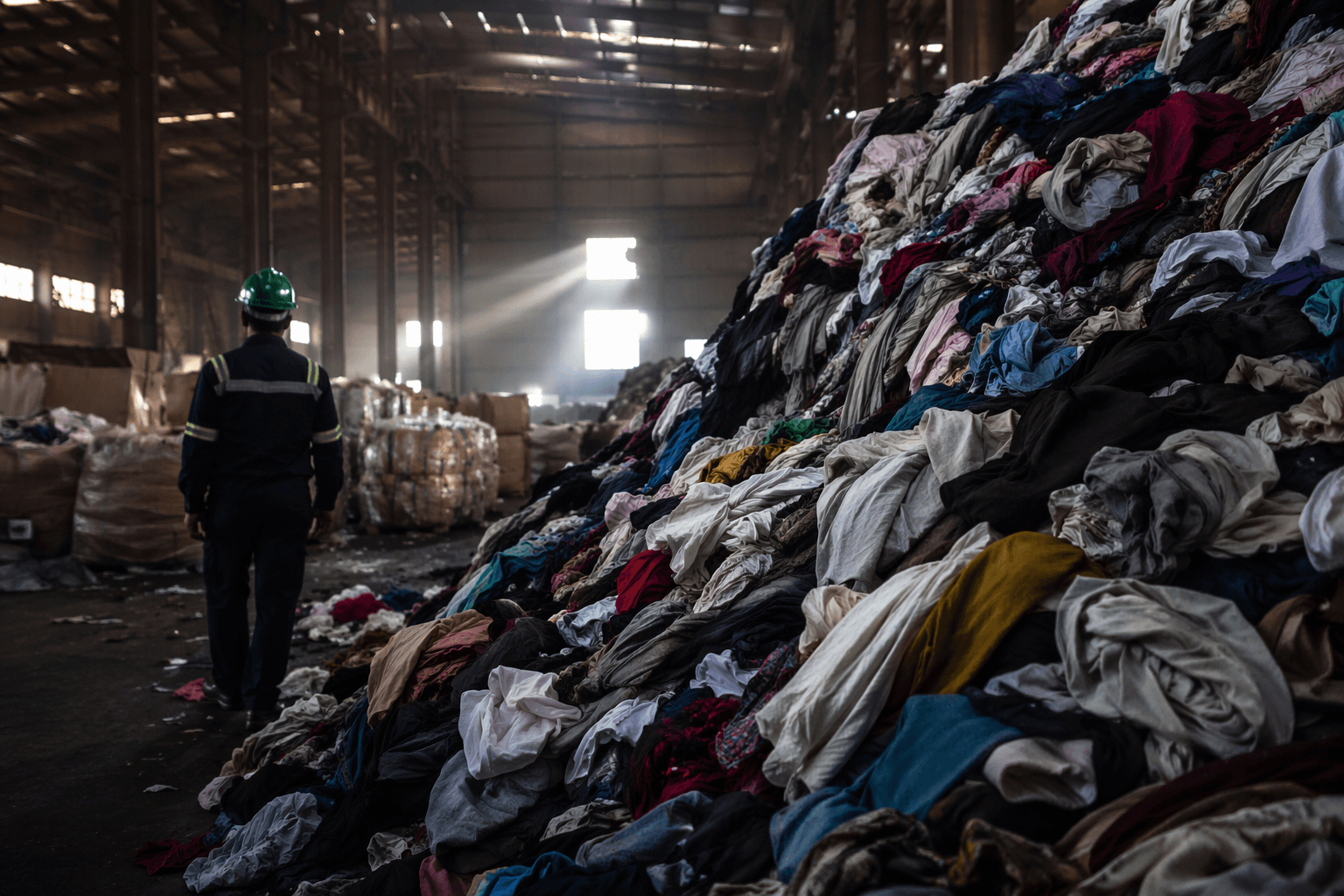
The waste stream is not a side issue, and it is not small enough for a niche fix. The Ellen MacArthur Foundation says more than 80% of textiles discarded by households are incinerated, landfilled or abandoned in the environment, and McKinsey has estimated that less than 1% of textile waste is fiber-to-fiber recycled today. Boston Consulting Group put a sharper number on the crisis in 2025: global textile waste reached 120 million metric tons in 2024, with 80% ending up in landfills or being incinerated, and less than 1% of the recyclable share becoming new fiber.
That is the backdrop for every investment round and pilot plant. The dream is elegant, but the volume is brutal. Textile recycling is not trying to solve a boutique sustainability issue, it is trying to absorb a flood created by overproduction, fast turnover and garments that were never designed to come back as feedstock.
Where the loop breaks: collection, sorting and cost
The first bottleneck is not chemistry, it is collection. McKinsey says only about one-third of used clothing is gathered, and much of what is collected is exported for second-hand sales outside Europe rather than being pulled back into domestic fibre-to-fibre systems. The Ellen MacArthur Foundation says dedicated textile collection systems remain underdeveloped and do not capture all textiles placed on the market, which means the stream entering recycling is thinner and messier than brands would like.
Sorting is the second failure point. Fashion waste is a blend of cotton, polyester, elastane, trims, coatings and dyes, and those mixtures are hard to unwind into clean input that a recycler can sell at scale. That is why the economics remain so tight: if the sorted fibre cannot be delivered reliably and cheaply, recycled material loses to virgin polyester, virgin cotton or other inputs that arrive with simpler processing and lower prices.
This is the part of the story that matters most for readers who care about the clothes on the rack, not just the technology behind them. A recycling system can look impressive in a lab and still collapse in the market if brands are price-sensitive and the recycled fibre lands above what they already pay for conventional material.
Europe is testing the ceiling
McKinsey says each person in Europe produces more than 15 kilograms of textile waste a year, yet less than 1% of that waste is currently recycled into new textile products. The firm estimates that with the right measures, recycling could rise to 18% to 26% by 2030 in Europe, and those measures could reduce CO2 emissions by 4 million tons. That is not a small improvement, but it is also not the clean circularity marketing departments prefer to imply.
The European conversation has shifted because the continent is now forcing the waste problem into policy. The European Union adopted new harmonised EPR rules for textiles in 2025, requiring textile producers and fashion brands to pay fees that help fund waste collection, sorting and recycling. Extended Producer Responsibility is the missing plumbing here: it makes the cost of disposal visible and pushes brands toward the systems needed to handle the products they put on the market.
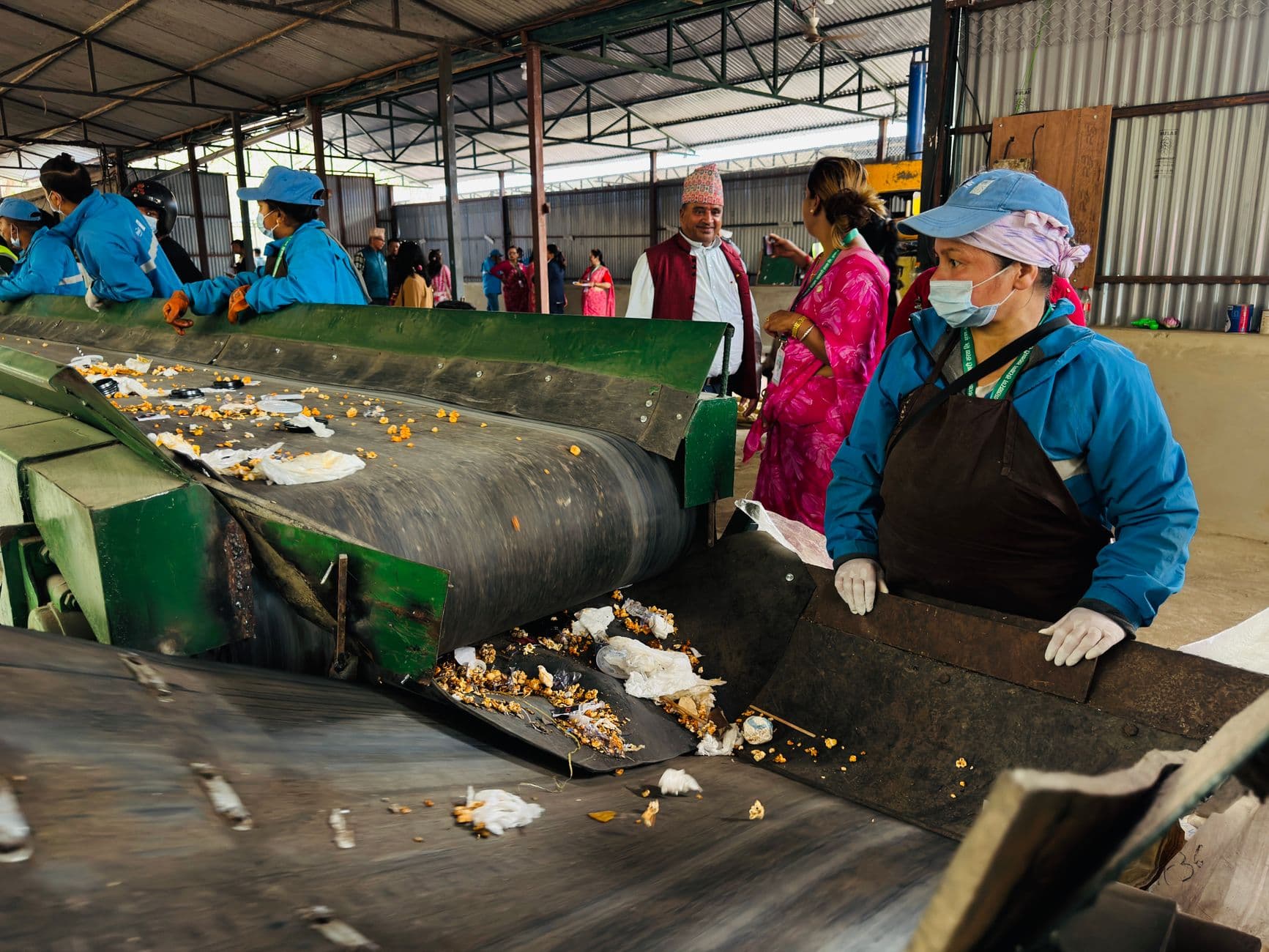
The Ellen MacArthur Foundation has argued that EPR is a necessary part of the solution, and in a textile policy report published on 14 June 2024 it went further, saying a comprehensive circular economy approach is the only response that matches the scale of the global textile waste problem. That framing matters because it shifts recycling from a feel-good innovation story to an infrastructure story. Without collection and finance built into the market, recycled fibre stays a premium ingredient instead of a default material.
The policy map is widening beyond Europe
The pressure is no longer confined to Brussels. In the United States, the Ellen MacArthur Foundation says California’s SB707 Responsible Textile Recovery Act of 2024 was chaptered on 28 September 2024, and New York has proposed its own textile EPR bill. That puts a once-overlooked waste category into the language lawmakers use for packaging, batteries and other hard-to-handle materials.
For brands, that shift changes the stakes. Textile recycling is no longer just a sustainability pledge or a pilot project with a glossy launch video. It is beginning to look like compliance infrastructure, and compliance has a way of turning vague ambition into line-item cost.
Investors are still betting, but the bet is conditional
Circ remains one of the clearest signs that capital still believes in the category. On 10 March 2025, the company announced a $25 million funding round led by Taranis, with continued support from Inditex and Avery Dennison. That mix matters: it shows that both financial backers and supply-chain players still see enough potential in textile-to-textile recycling to keep funding it, even while the economics remain unresolved.
At the same time, money is starting to move away from brands that look too slow on climate targets. ASN Impact Investors sold €70 million worth of shares in fashion’s biggest brands in 2024, citing climate-target concerns. That is the other side of the pressure curve: recycling is attracting new capital, but it is also arriving in a market where investors are increasingly willing to punish laggards.
What would make textile recycling matter
The sector will matter only if it can clear three hurdles at once. It needs collection systems that actually pull used textiles back into the loop, sorting systems that can separate fibres at industrial scale, and a cost base that lets recycled material compete with virgin inputs rather than live forever as a niche, guilt-laden premium.
That is why textile-to-textile recycling should be treated as a tool, not a verdict. It can help absorb waste, especially if policy keeps tightening and producer fees help pay for the machinery behind the scenes. But if brands keep overproducing, if collection stays patchy and if recycled fibre stays more expensive than virgin material, the industry will keep celebrating the loop while the mountain of waste grows around it.
This article was produced by Prism’s automated news system from verified source data, official records, and press releases, then run through automated quality and moderation checks before publishing. The system is built and supervised by the people who set the standards it runs under. Read our full AI policy.
Did this article answer your question?