Elevate, Epic and Shahi launch framework to guide factory decarbonisation investments
A new producer-led framework ranks factory decarbonisation moves by cost, impact and fit, as textile emissions still account for 6-8% of the global total.
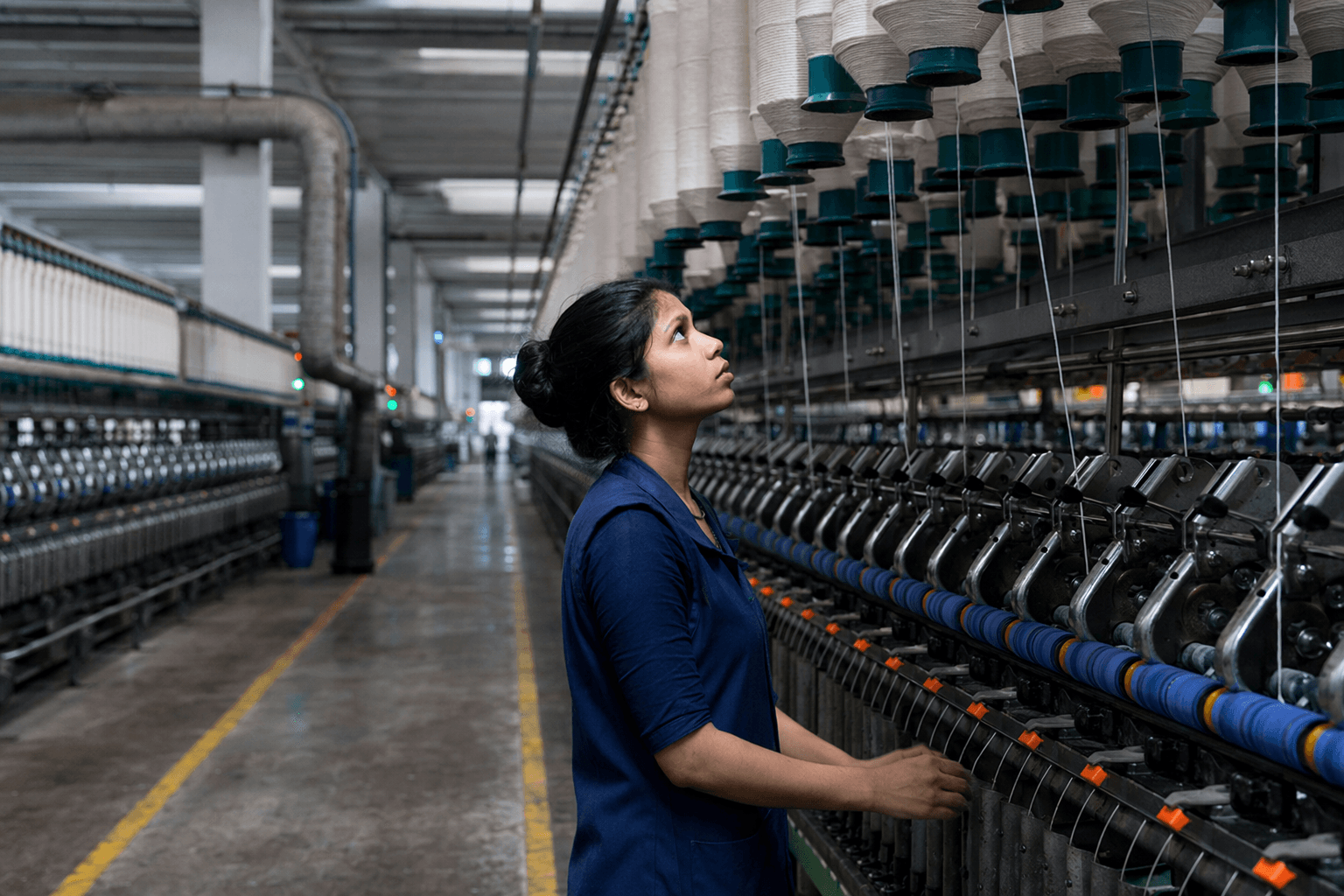
Textile manufacturing still accounts for about 6 to 8 percent of total carbon emissions each year, and Asia is responsible for roughly 60 percent of the sector’s footprint. Against that scale, the Bang for Buck framework launched on 29 April 2026 as a hard-headed answer to one of fashion’s most stubborn problems: how to cut emissions at factory level without turning sustainability into an unfunded mandate.
Commissioned and led by Elevate Textiles, Epic Group and Shahi Exports, the framework is built to help manufacturers rank proven decarbonisation interventions by return on investment, emissions impact and fit for a specific factory. The Fashion Producer Collective, a producer-led sustainability think tank for manufacturers, has positioned it as a practical tool for deciding where scarce capital should go first. In an industry that still too often treats climate action as a slogan, the point is sharper: not every retrofit delivers the same carbon savings, and not every factory has the same constraints.
That distinction matters because the people being asked to clean up the supply chain are usually the ones absorbing the cost. Support from GIZ FABRIC and technical partner Grant Thornton Bharat gives the framework a level of operational weight that could make it useful in the room where brands and suppliers negotiate pricing, production timelines and capital spending. Instead of asking mills to do everything at once, the framework gives them a way to justify why one investment should come before another, and why a particular plant may need a different decarbonisation path from a comparable one elsewhere in the region.
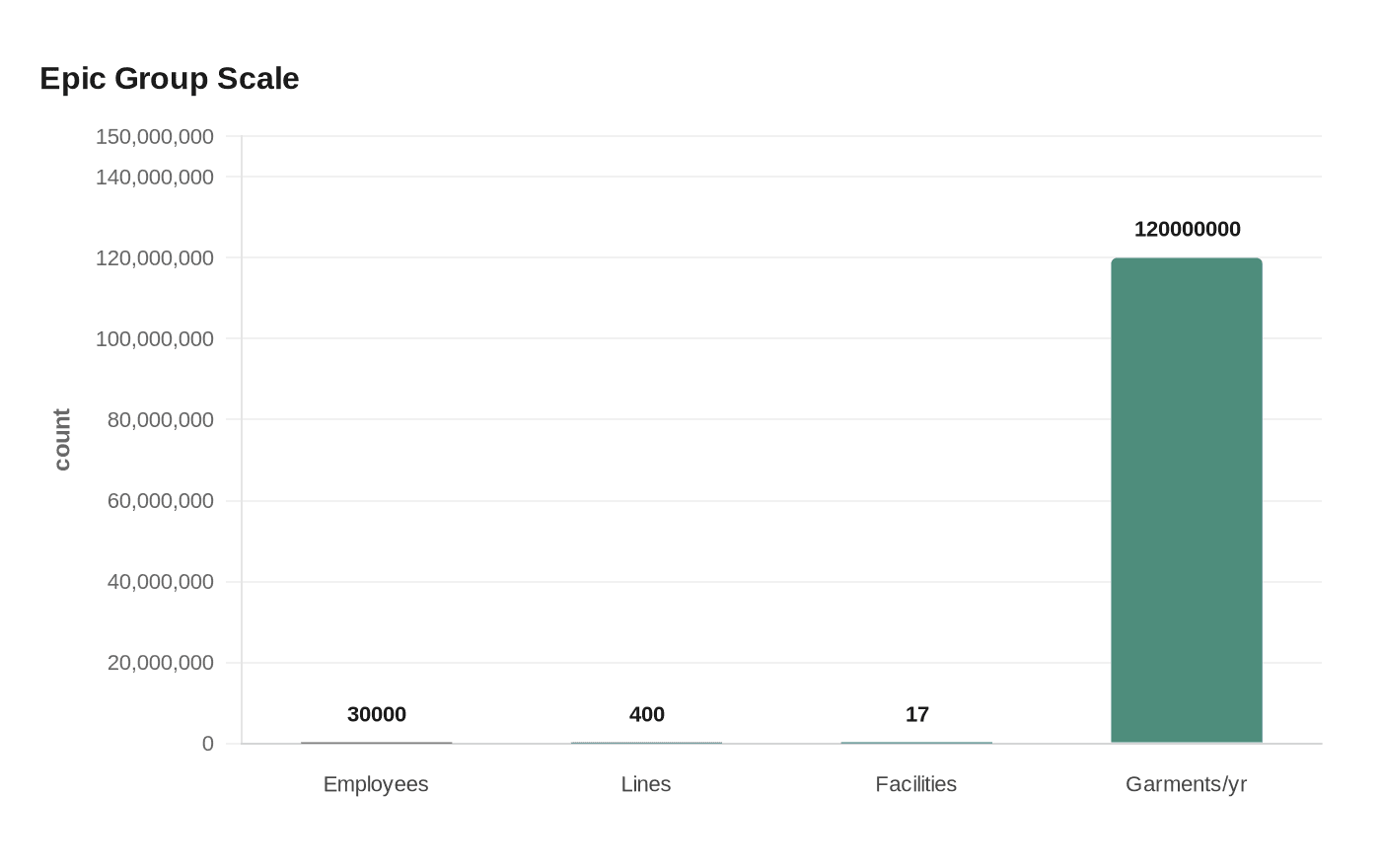
The companies behind the project bring enough scale to make the exercise more than a side project. Elevate Textiles said in its 2026 Sustainability Report that it met its 2025 greenhouse gas and water reduction targets. Epic Group says it has more than 30,000 employees, 400 production lines, 17 manufacturing facilities and produces 120 million garments a year, while its IFC-backed target is to cut greenhouse-gas emissions per garment by 65 percent by 2030, compared with a 2019 benchmark. Shahi Exports describes itself as India’s largest apparel manufacturer and exporter.
That combination of scale, ambition and producer control is what makes the framework notable. It nudges decarbonisation away from vague pledges and toward ranked investment choices, which is exactly where the next fight over fashion’s climate transition will be won or lost: on the factory floor, in the capex plan, and in the margins brands are still asking suppliers to protect.
This article was produced by Prism’s automated news system from verified source data, official records, and press releases, then run through automated quality and moderation checks before publishing. The system is built and supervised by the people who set the standards it runs under. Read our full AI policy.
Did this article answer your question?


