Shein cites wage study as scrutiny of labor practices persists
Shein said a 208-supplier wage study in Guangzhou found most workers earned a local living wage, but labor doubts kept hanging over the result.
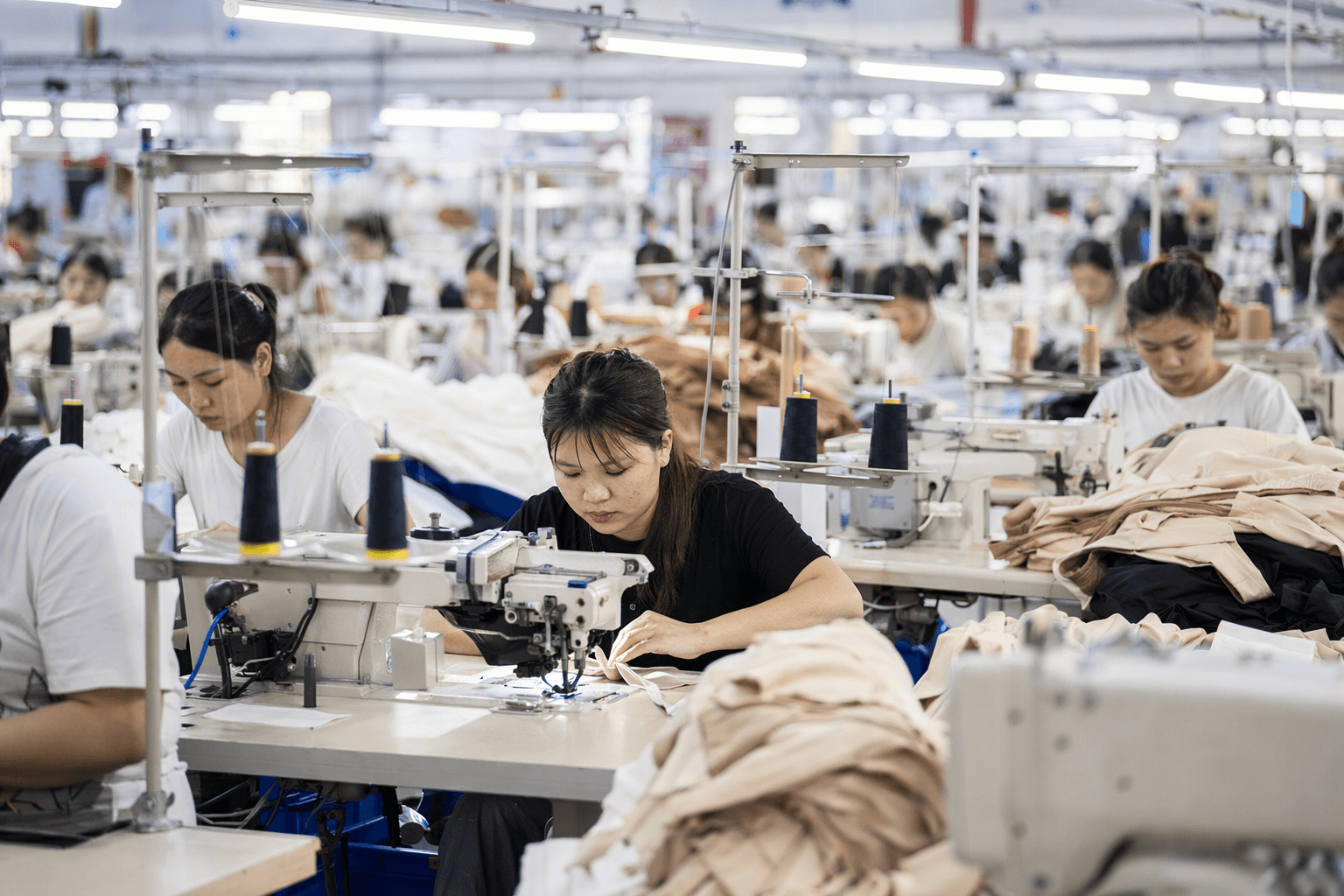
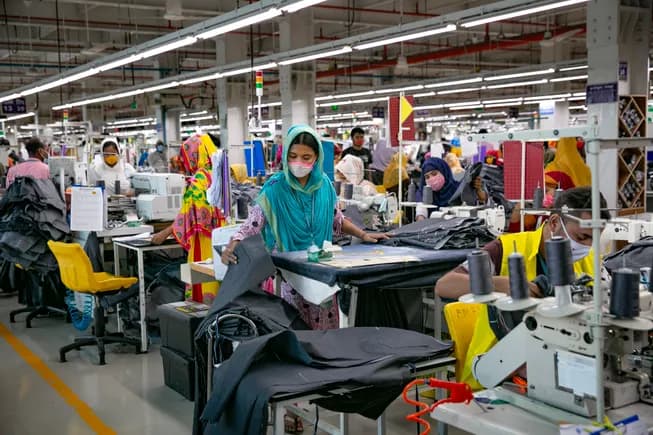
Shein’s latest wage claim landed with a credibility problem baked in. The company said a new assessment found most supply-chain workers earned at least a local living wage, yet the label of “most” now has to survive years of accusations that the brand’s ultra-fast-fashion machine has run on punishing hours, thin oversight and a supply chain that is still hard to see clearly.
On April 29, 2026, Shein said it worked in 2025 with Cascale Better Buying and Worldwide Responsible Accredited Production on projects aimed at supplier and worker engagement. Shein said it commissioned WRAP to conduct an independent wage assessment and worker survey among selected suppliers in Guangzhou, and that the study covered 208 suppliers of SHEIN-branded products there, ranked by procurement value. On-site visits took place between May and November 2025, and the assessors came from Accordia, ALGI and CTI, all WRAP-accredited monitoring firms.
That methodology matters because the company is asking readers, investors and regulators to trust a measure of wages in a business that has long been judged by what happens on the factory floor. Shein said the work was part of a broader effort to strengthen supply-chain oversight through supplier engagement, worker awareness, grievance mechanisms, targeted capacity-building and risk-based monitoring. The question is whether those tools reach enough of the supply chain, and with enough independence, to mean more than a polished snapshot.
The scrutiny has been fierce. In May 2024, Public Eye said interviews with 13 workers in Shein-linked workshops in Guangzhou described 12-hour days, six or seven days a week, and 75-hour workweeks. Public Eye said those hours violated Chinese labor law and Shein’s own supplier code of conduct, which allows a maximum 60-hour week. It also said Shein’s sustainability messaging clashed with the labor conditions it found, and it raised fresh questions about the company’s opaque corporate structure and planned IPO.
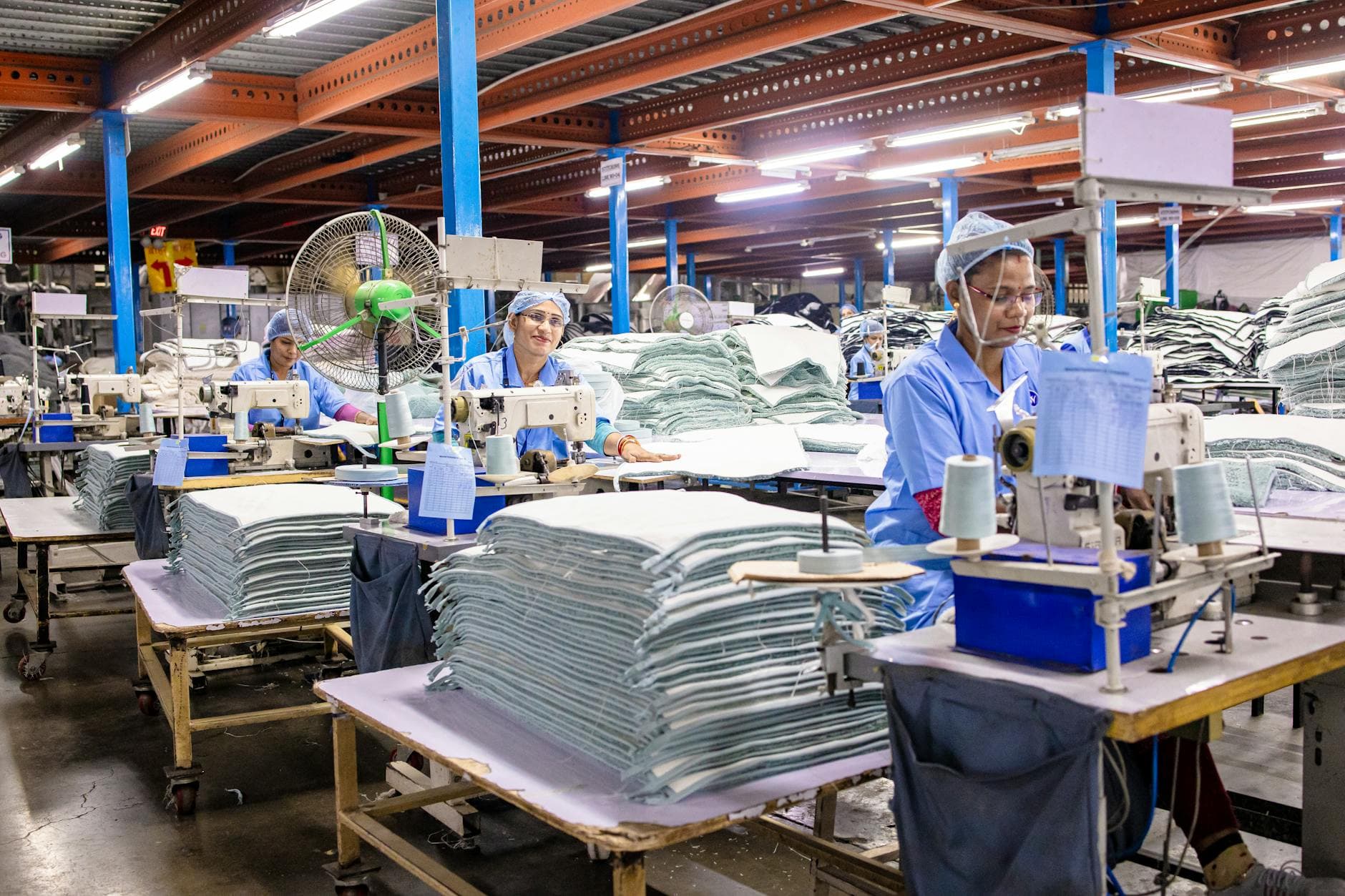
Public Eye went further, saying a quote on fair wages that had been attributed to auditors had disappeared from Shein’s website, while TÜV Rheinland said it had never issued such a statement. Then, in July 2025, China Labor Watch said its report on Shein supplier factories in Guangzhou drew on more than 50 worker interviews, multiple on-site visits and research spanning 2019 to 2025, while raising concerns about labor practices, child welfare risks, health and safety hazards, and possible infringements of gender and migrant rights. Shein said it could not verify those findings because it had not been given access to the report.
That is the backdrop for any wage study Shein puts forward now. A sample of 208 Guangzhou suppliers, chosen by procurement value and checked by WRAP-accredited monitors, may be the company’s most concrete answer yet. But until the broader supply chain is opened to scrutiny that matches the scale of the brand’s ambitions, the gap between compliance language and lived conditions will keep defining the story.
This article was produced by Prism’s automated news system from verified source data, official records, and press releases, then run through automated quality and moderation checks before publishing. The system is built and supervised by the people who set the standards it runs under. Read our full AI policy.
Did this article answer your question?