Empa tests PFAS-free plasma coatings for water-repellent textiles
Empa’s plasma-coated yarns are trying to ditch PFAS without losing weather protection, but stain resistance and industrial scale still decide whether the fix sticks.
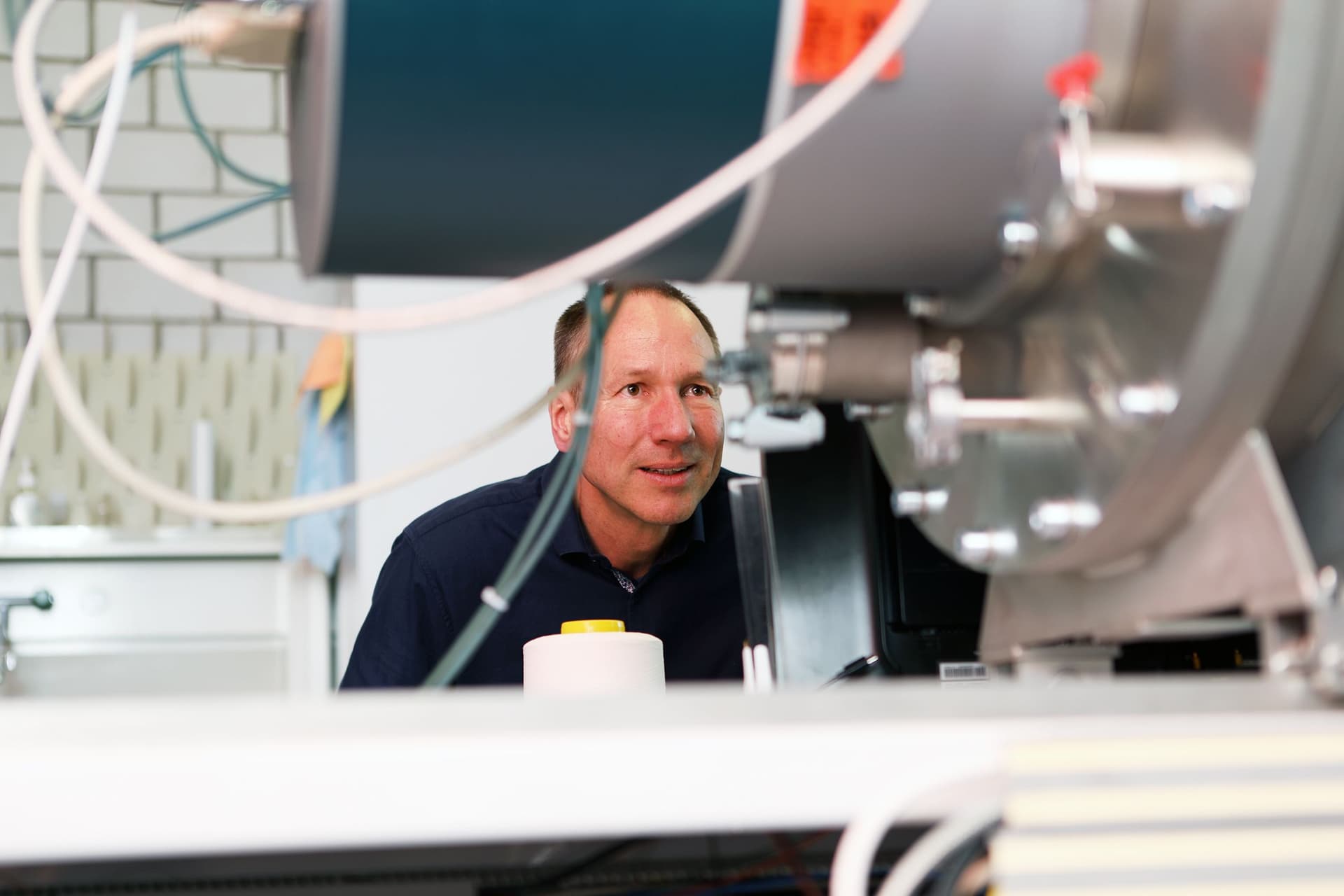
Empa is betting that the next generation of rainproof outdoor clothing can be built without PFAS, and without asking consumers to give up the crisp beading and hard-wearing finish they expect from a shell jacket. Its EC0Tex project is developing fluorine-free, water-repellent yarn coatings in a specially designed plasma system, a technical detour that matters because PFAS have made rain jackets, swimsuits and similar performance pieces water-, dirt- and grease-repellent for decades.
The project is funded by Innosuisse and grew out of the Subitex network, a long-running collaboration between companies linked to the Swiss Textiles Association and Empa in St. Gallen. EC0Tex is led by Dirk Hegemann, Martin Amberg and Patrick Rupper, with Bäumlin & Ernst AG, Lothos KLG and Seilfabrik Ullmann AG working alongside the researchers to turn the lab work into a manufacturing process that could actually live on a production line.
Hegemann has made the project’s guardrails clear: Safe and Sustainable by Design is not an add-on here, but the point. Empa wants to avoid the familiar trap of swapping one problematic chemistry for another, the kind of regrettable substitute that can look cleaner on a spec sheet and age badly in the real world. For outdoor apparel, that is the central commercial test. A finish can be PFAS-free and still fail if it cannot survive abrasion, repeated washing, and the cost pressures of industrial-scale textile production.
The early data is promising, but not simple. Empa said in February that plasma technology had already been used successfully with organosilicon compounds to produce water-repellent textiles. An industry report from 2024 described a coating only about 30 nanometers thin that could reach stretched fibers and all the twists and turns of yarns. In testing, those textiles absorbed less water and dried faster than PFAS-coated fabrics. Oil and stain repellency, though, remained the sticking point, and that is not a minor flaw in a category where performance clothing is judged on how well it shrugs off weather, mud and city grime alike.
The project’s profile rose further when EC0Tex won the New Concept category at Techtextil’s Innovation Awards in Frankfurt am Main. Reporting around the award said Bäumlin & Ernst was aiming to bring PFAS-free water sports gear to market within a year, a timeline that underlines both the opportunity and the pressure. For plasma coatings to become a credible industry replacement, they will need to prove they can move beyond a promising finish on yarn and deliver durable, scalable protection that does not compromise the look, feel or economics of outdoor apparel.
This article was produced by Prism’s automated news system from verified source data, official records, and press releases, then run through automated quality and moderation checks before publishing. The system is built and supervised by the people who set the standards it runs under. Read our full AI policy.
Did this article answer your question?


