LanzaTech and DTU build AI biofoundry for carbon-based materials
LanzaTech and DTU BRIGHT are building an AI biofoundry to turn captured carbon into fashion-grade inputs. The real test is whether it scales.
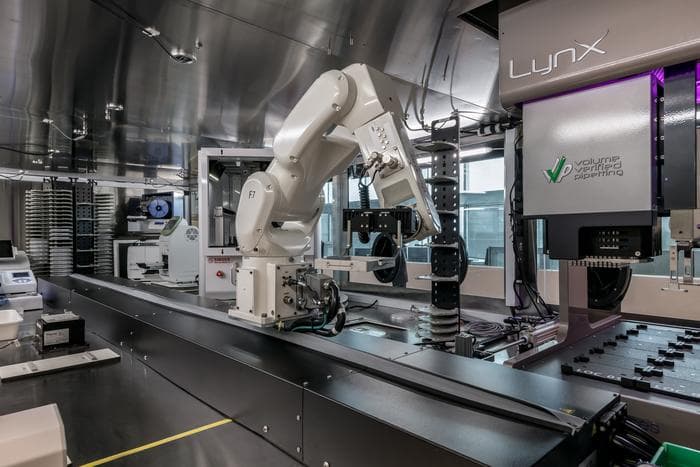
LanzaTech and DTU BRIGHT are putting a hard industrial bet on carbon-to-materials: a new AI-enabled C1 biofoundry at DTU in Lyngby that is meant to convert captured carbon into fuels, chemicals and the kind of feedstocks fashion keeps trying to pull out of fossil oil. This is not some dreamy sustainability mood board. It is the concrete scale-up move that decides whether carbon-based materials become a real supply-chain lever or just another lab sample with good branding.
The collaboration runs until April 2028, and it slots into BRIGHT’s bigger remit: the institute launched on January 1, 2026, at DTU with backing of up to DKK 1.05 billion over seven years from the Novo Nordisk Foundation. BRIGHT says its job is to build scalable, bio-based alternatives to fossil-derived products, while its biofoundry is designed to push work from early-stage ideas into spin-outs and pre-pilot production, using automation, analytics, machine learning and artificial intelligence.
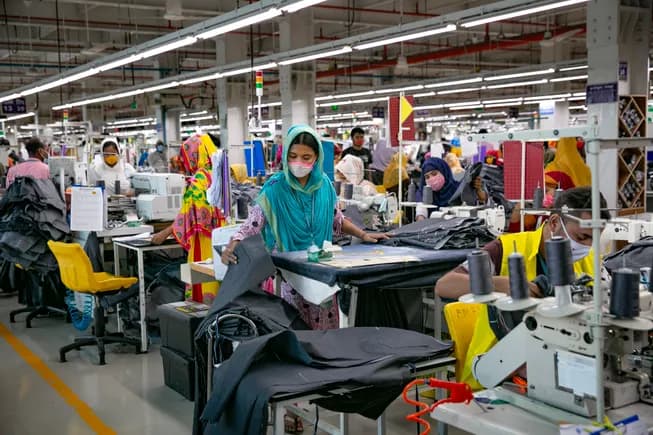
For fashion, the appeal is obvious. LanzaTech says its technology turns industrial emissions, carbon dioxide and gasified waste into ethanol and other building blocks, and it already has six commercial facilities running. The company says it has worked with Zara, H&M Move, adidas, lululemon, Kathmandu and REI on CarbonSmart polyester and related materials, which means the likely textile play is still mostly in polyester, not some fantasy of instant fiber-to-fiber salvation. The upside is real, though: if those carbon streams can replace virgin fossil inputs at scale, the supply chain gets a cleaner base layer before the clothes are even cut.
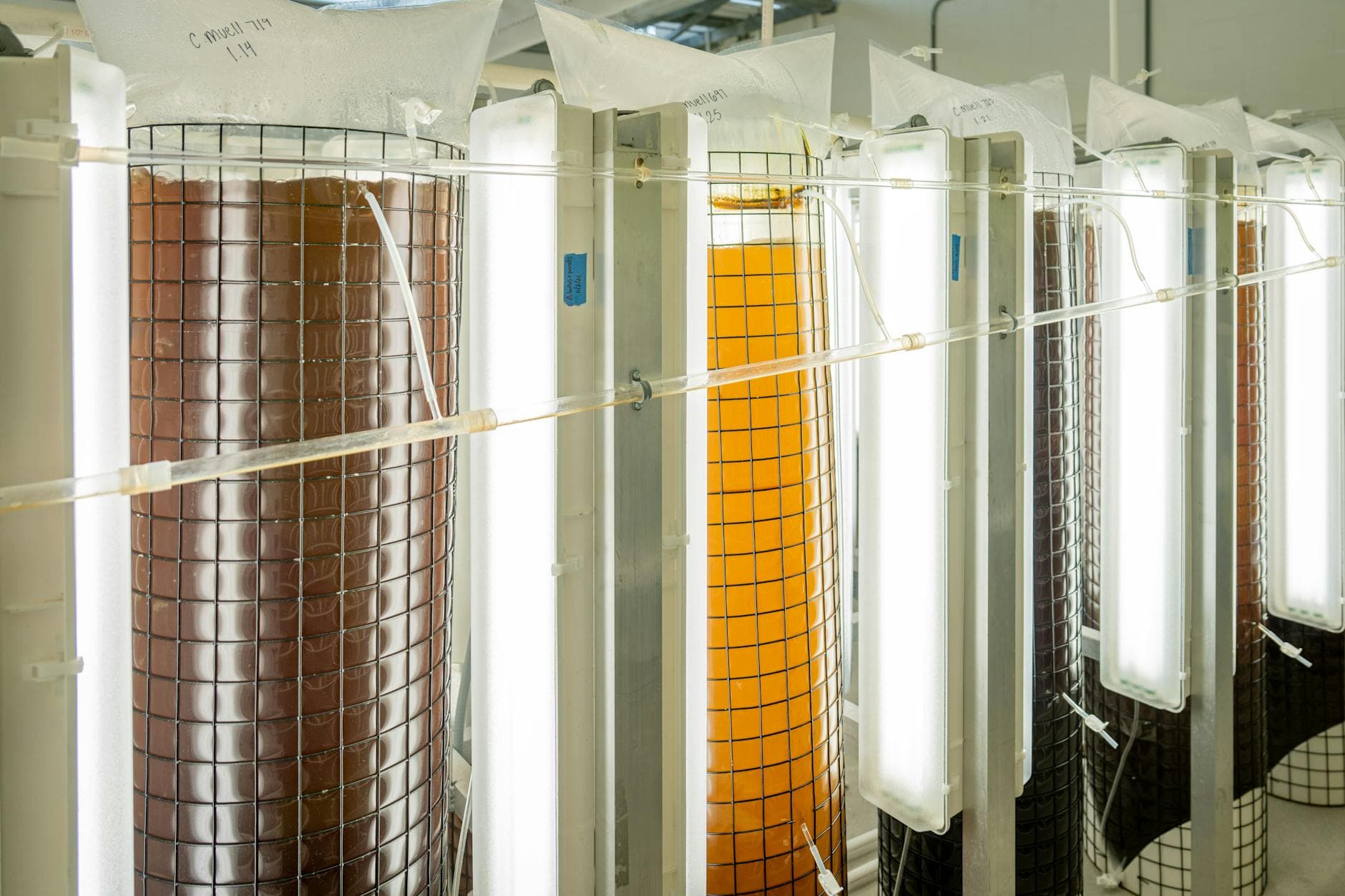
But the verification hurdle is where this gets interesting. BRIGHT’s biofoundry says it operates from TRL0 to TRL6 and from nanoliter to 100-liter scale, which is exactly the kind of ladder carbon-based fashion needs if it wants to move from boutique pilot to industrial reality. LanzaTech also says life-cycle analysis is essential, and that it works with groups including the European Commission, ISCC, CARB and RSB, which tells you the real battlefield is proof: carbon accounting, traceability, repeatable production, and whether the same chemistry can be documented cleanly enough for brands and auditors to trust it. Without that, the whole thing stays clever but not decarbonizing.
The timing matters because LanzaTech is also trying to scale the same platform into fuel. On May 11, 2026, it selected North Sea Port in Ghent as the site for Europe’s first commercial alcohol-to-jet SAF facility, a €500 million project targeting 79,000 tonnes of sustainable aviation fuel and 9,000 tonnes of renewable diesel a year. That is the tell: the company is trying to prove that the same carbon-recycling engine can feed both fashion and fuel, and if it works, virgin fossil carbon starts looking a lot less inevitable.
This article was produced by Prism’s automated news system from verified source data, official records, and press releases, then run through automated quality and moderation checks before publishing. The system is built and supervised by the people who set the standards it runs under. Read our full AI policy.
Did this article answer your question?