Kilimo helps cotton farmers cut water use, earn from savings
Kilimo turns saved irrigation water into a paid asset, with third-party verification and cotton supply-chain stakes that go beyond feel-good sustainability.

Kilimo’s pitch is sharper than the usual ag-tech gloss: cut water use, verify the savings, and get paid for what stays in the ground. For cotton farmers, that matters in a market where every drop is expensive, every kilowatt on pumping hurts margins, and water claims are starting to carry real supply-chain weight.
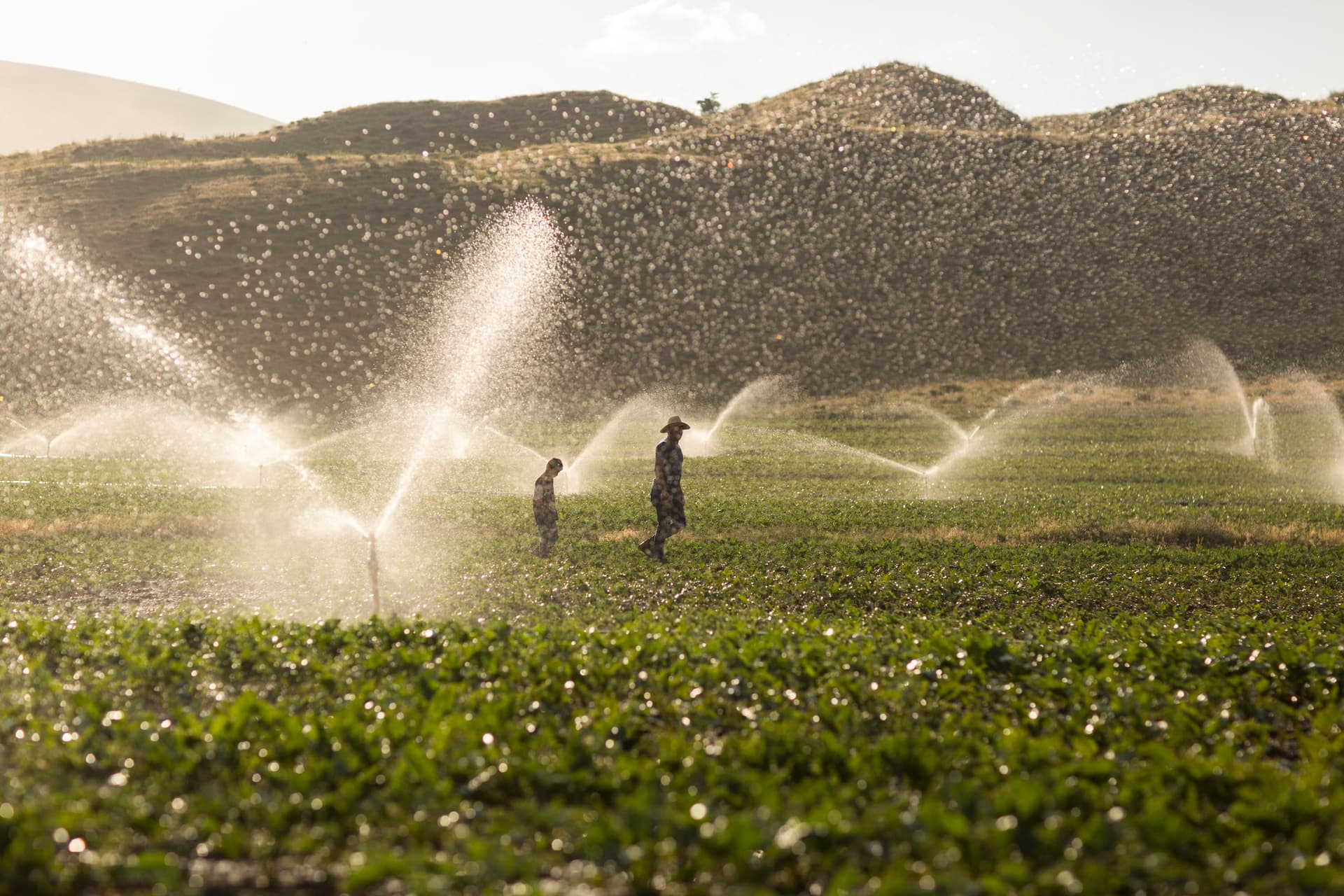
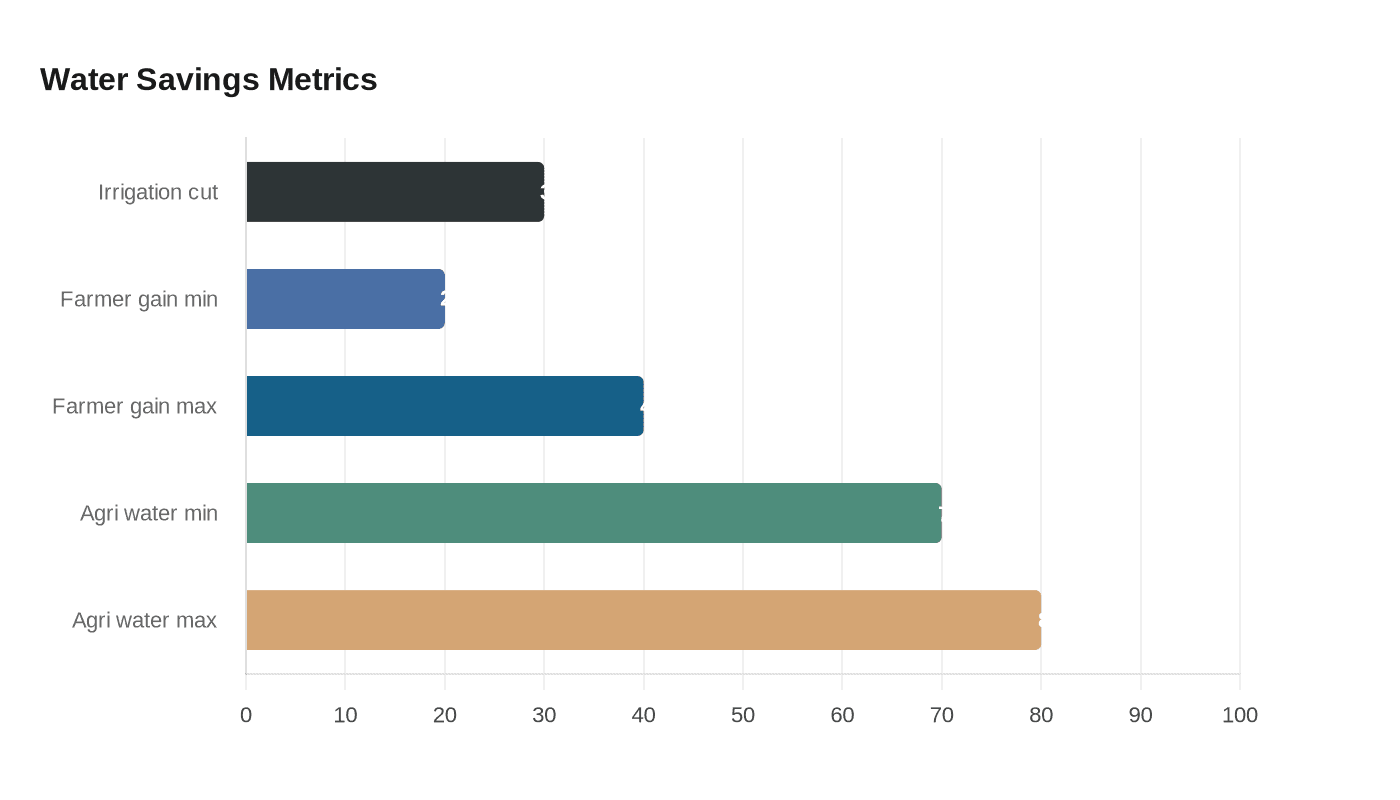
The Argentina-based company has spent about a decade building a system that blends satellite data, weather information, soil data, machine learning and remote monitoring to tell farmers when to irrigate and how much to apply. The result is not just cleaner scheduling. Kilimo says its approach can reduce irrigation water use by up to 30%, while farmers who trim water use can net about 20% to 40% more than they paid the company because the savings also lower energy bills.

That is where the business model gets interesting. The conserved water is measured and verified by third parties under the Volumetric Water Benefit Accounting standard, then packaged so corporate buyers can pay for verified water savings credits or volumetric water benefits tied to the same watershed. In other words, Kilimo is trying to make water stewardship behave less like a donation and more like infrastructure, with a price tag, a paper trail and a payoff for the grower.
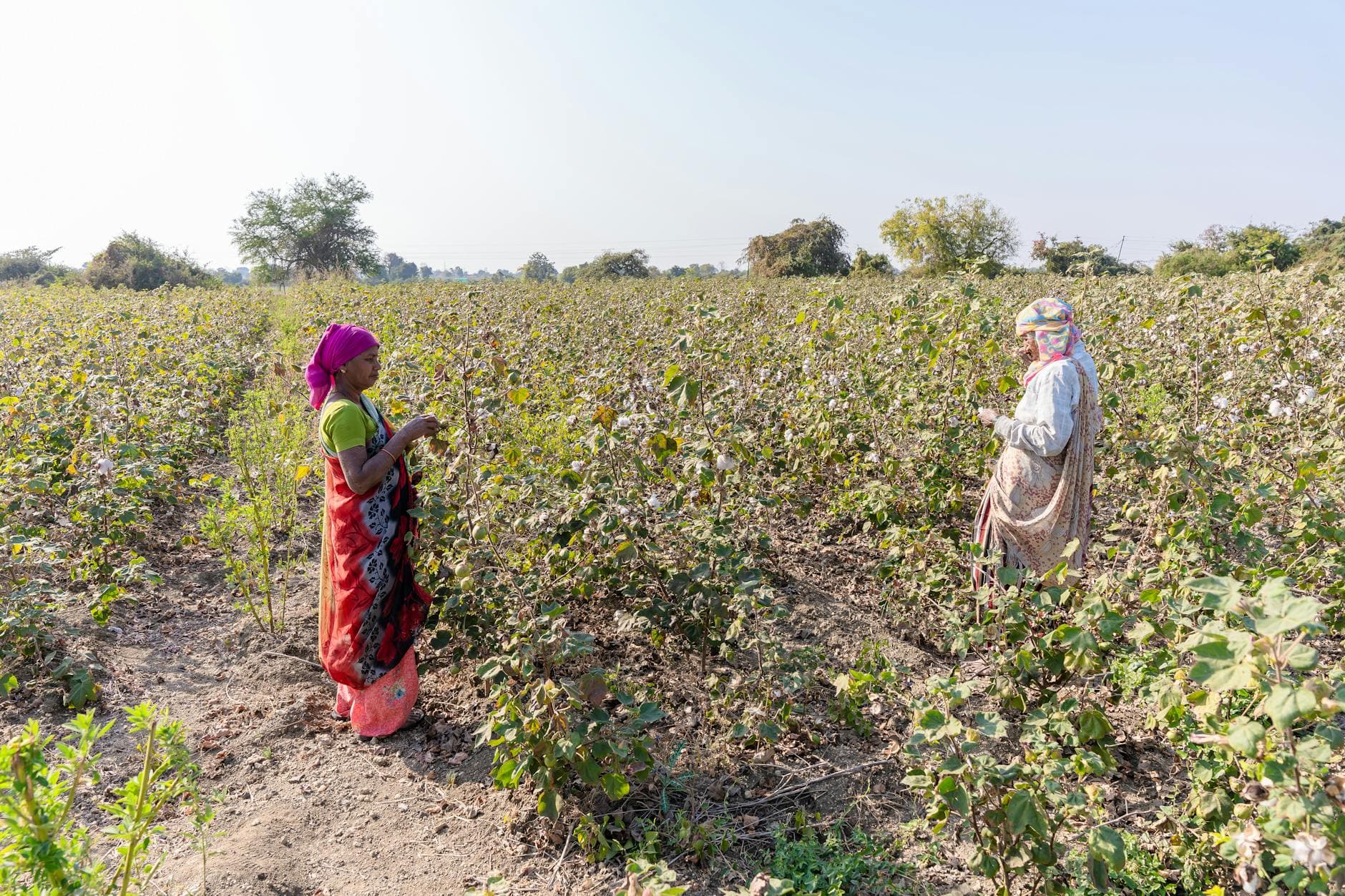
For brands sourcing cotton, that structure cuts straight to the nerve. Water is one of fashion’s most fragile inputs, and cotton sits at the center of that pressure. A system that can document irrigation improvements at the farm level gives buyers something sturdier than vague sustainability language: a traceable, watershed-specific claim that can support resilience planning and water reporting. That is a very different proposition from broad climate promises, especially when agriculture accounts for roughly 70% to 80% of global freshwater withdrawals.
Kilimo’s founders have been pushing that logic for years. The company was founded in Córdoba, Argentina, and by 2024 it said it was working across South America, including Argentina, Mexico, Chile, Paraguay, Peru and Guatemala. In January 2023, the World Economic Forum recognized Kilimo in its Global Freshwater Innovation Challenge in Davos, where co-founder and operations director Tatiana Malvasio said the platform shows producers how much water a crop loses each day and how much needs to be replenished as the crop grows. The World Economic Forum later described Kilimo as the first company in Latin America to economically compensate farmers for using technology and saving water.
Kilimo’s 2024 US$7.5 million Series A, led by Emerald Technology Ventures with The Yield Lab Latam, Salkantay Ventures, Kamay Ventures and iThink VC, was meant to deepen that footprint in Mexico, Chile and Argentina. Jairo Trad has framed the company as a response to “carbon blindness,” arguing that water, biodiversity and carbon should be treated together. For cotton, that is the point: the smartest sustainability play may be the one that turns conserved water into a verified line item, not a slogan.
This article was produced by Prism’s automated news system from verified source data, official records, and press releases, then run through automated quality and moderation checks before publishing. The system is built and supervised by the people who set the standards it runs under. Read our full AI policy.
Did this article answer your question?