Epson Champions Digital Pigment Printing to Slash Fashion’s Water Footprint
Epson pushed its Monna Lisa digital pigment printers and "dry fibre" approaches to eliminate pre-treatment, steaming and rinsing, pitching a practical route to cut fashion’s water use.
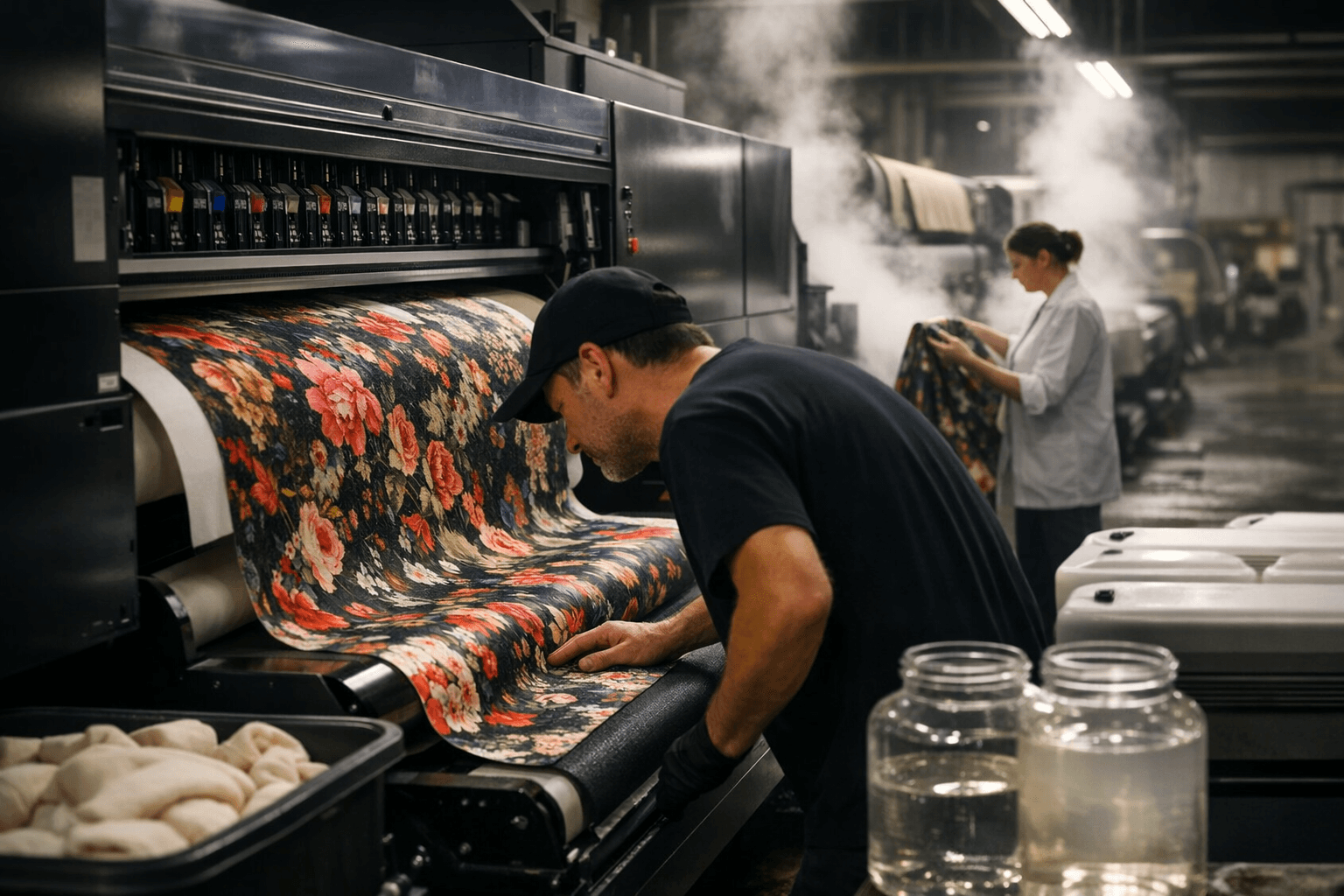
Epson turned the usual tech demo into a sustainability argument on February 25, 2026, positioning its Monna Lisa family of digital pigment printers as a direct way to strip out multiple wet-processing steps from garment production. The company framed digital pigment printing and complementary "dry fibre" approaches as tools to shrink fashion’s water footprint by removing stages that traditionally demand massive water and chemistry inputs.
At the center of the push is the Monna Lisa line, promoted for pigment-based inks that bypass the pre-treatment, steaming and rinsing cycle found in conventional dye houses. By replacing those steps, Epson presented a workflow that keeps water use out of the printing stage and moves toward a near-dry production sequence - a practical pivot for brands chasing measurable sustainability wins rather than vague offsets.
Epson also flagged "dry fibre" approaches alongside the printers, linking fibre-level treatments with the surface-focused nature of pigment printing. That pairing matters because it reframes where water is used: instead of intensive wet-processing at fabric and yarn mills, the combination keeps most finishing dry and localized at print sites. For designers and production managers, that promises a simpler chain of custody and fewer dyehouse bottlenecks when scaling seasonal drops.
This is not just tech-speak. Removing pre-treatment, steaming and rinsing trims the number of high-water operations a factory must run per style, which affects procurement, dyehouse contracts and lead times. For streetwear labels that rely on small-batch runs and rapid drops, the Monna Lisa workflow could cut cycle time while avoiding the environmental headache of multiple rinse cycles and effluent handling.
Epson’s message on February 25, 2026 landed as a concrete alternative to status-quo textile processes: swap reactive wet lines for pigment prints and rethink how fibres are prepared. Whether legacy mills and major brands will revise long-established supply chains is the next test, but Epson closed the demonstration with a clear playbook, digital pigment printing plus dry-fibre strategies equals fewer wet steps, less water on the factory floor, and a tangible lever for brands that want to quantify impact.
If fashion teams take this seriously, the Monna Lisa family and dry-fibre workflows could become the operational change that yields real water reductions, not just another sustainability headline.
This article was produced by Prism’s automated news system from verified source data, official records, and press releases, then run through automated quality and moderation checks before publishing. The system is built and supervised by the people who set the standards it runs under. Read our full AI policy.
Did this article answer your question?