Ethical Clothing and Transparent Brands Are Reshaping the Fashion Industry
The $1.3 trillion fashion industry is reckoning with its own contradictions, and transparent brands are forcing a reckoning that goes far beyond swapping cotton for hemp.
The numbers alone reframe the conversation. The global clothing industry generates $1.3 trillion annually and employs more than 300 million people along its value chain, with cotton production alone accounting for almost 7% of all employment in some low-income countries. Fashion is not just culture; it is economic infrastructure for some of the world's most vulnerable communities. Which makes what happens inside its supply chains, the low wages, the hazardous factory conditions, the disposability built into fast fashion's entire operating model, a crisis that extends well beyond wardrobes.
That reckoning is now reshaping the industry from the inside out. Consumer demand for transparency, a generational shift toward longevity over trend cycles, and brand-level moves toward responsible materials and fair labour practices are collectively producing something that looks less like a trend and more like a structural reset.
What Sustainable Fashion Actually Means
Strip away the marketing language and sustainable fashion has a precise definition: the production of apparel, accessories, and footwear in a way that minimizes environmental impact and encourages ethical behavior. Critically, that scope extends across the entire clothing lifecycle, from raw material sourcing through production, distribution, and eventual disposal. It is not enough to swap in an organic cotton jersey while the dyeing process still contaminates local waterways or the factory workers stitching the seams earn poverty wages.
The materials conversation is the most visible entry point. Eco-friendly textiles, specifically those that are organic, recycled, or biodegradable, including hemp, recycled polyester, and organic cotton, are increasingly standard talking points. Plant-based fabrics are moving from niche to mainstream. But material choice is the beginning of the story, not the end.
The Fast Fashion Problem It Is Responding To
Fast fashion's business model is built on velocity and low price points, and both have exacted costs that are now impossible to ignore. Workers in lower-income countries have borne the sharpest end of that model: low pay, hazardous working conditions, and a near-total absence of labour protections are endemic to supply chains optimized purely for speed and margin. The environmental damage runs parallel, with resource-intensive textile production, chemical-heavy processing, and an industry-wide assumption that clothing is disposable.
These pressures, social and environmental, are what converted sustainable fashion from a niche consumer preference into a mainstream demand signal.
Gen Z Is Rewriting Buyer Behavior
As eco-conscious Gen Z consumers gain purchasing power, demand for ethically made and environmentally responsible products continues to rise, and buyers across retail are adapting their assortments to reflect those values. This is not abstract sentiment; it is showing up in purchasing decisions and in what retailers choose to stock. Clothing stores are feeling direct pressure from their customers to carry more sustainable brands, creating an incentive structure that runs up the supply chain. By partnering with eco-friendly suppliers and manufacturers, retailers can respond to that pressure in ways that have real upstream consequences.
Sustainable fashion brands are meeting that demand partly through radical transparency. Brands that provide detailed information about their supply chains, disclosing sourcing origins, production partners, and labour standards, are building the kind of accountability that conscious consumers are actively seeking. That transparency also creates a feedback loop: when consumers can see where a garment was made and under what conditions, they are better positioned to reward ethical producers and penalize exploitative ones.
Certifications That Actually Mean Something
Two standards have emerged as credible anchors in a market where greenwashing is rampant. Fair Trade certification guarantees ethical and fair labour practices throughout production. GOTS, the Global Organic Textile Standard, certifies that textiles meet rigorous organic and environmental criteria across the full processing chain. Consumers seeking products with these certifications are not just making a personal style choice; they are participating in a broader accountability system that gives certification bodies leverage over brands and manufacturers.
The demand for certified products is itself a form of advocacy. As Realthread frames it, through their purchasing choices consumers advocate for ethical values by supporting transparent supply chains, demanding ethical certifications, and participating in conscious consumerism. That cumulative signal is what moves markets.
Circular Fashion and the Lifecycle Shift
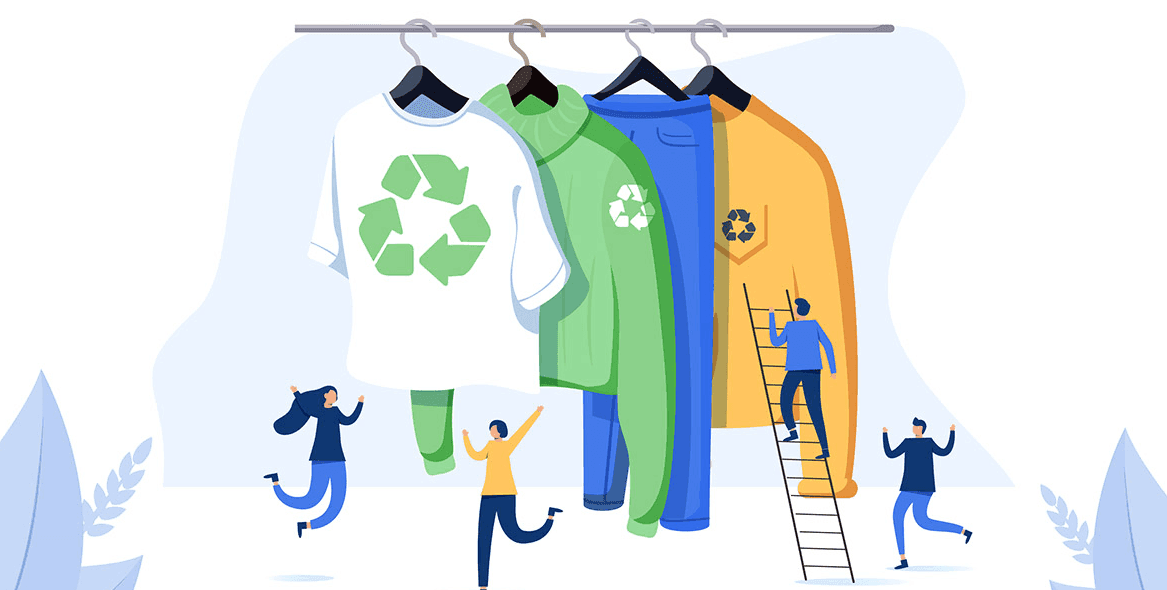
The most structurally significant shift in sustainable fashion is the move toward circularity: designing systems where clothing does not end in landfill. Sustainable brands are adopting circular fashion practices including garment recycling and upcycling to extend the lifecycle of clothing items and reduce waste. The practical consumer-level version of this is straightforward: recycle, donate, or upcycle old clothing rather than discarding it. But the brand-level ambition is larger. Closed-loop technologies, where materials from worn garments re-enter production rather than exiting the system entirely, represent the frontier of circular economics applied to fashion.
On-demand manufacturing is another lever. Tailored designs produced in response to actual demand rather than projected trend cycles reduce surplus inventory, which is one of the industry's most wasteful byproducts. Personalization and customization models move fashion away from overproduction and toward a more deliberate relationship between maker and wearer.
Technology as a Sustainability Multiplier
Fashion technology's role extends well beyond innovative silhouettes. The concept of fashion tech can be leveraged to reimagine the entire supply chain, making it more eco-friendly and socially responsible, from how raw materials are sourced to how finished garments are shipped. On the manufacturing side, sustainable factories are integrating renewable energy sources including solar panels and wind turbines to reduce their carbon footprint.
The impact of seemingly incremental logistics decisions is more significant than it appears. Selfridges implemented its Naked Click & Collect service, stripping transit packaging from its click-and-collect orders and saving an estimated 7.7 tonnes of carbon emissions in the process. It is a precise, measurable example of how operational decisions at retailer scale translate into real environmental outcomes, and it illustrates why supply chain reimagination is not just theoretical.
Collaboration as Industry Infrastructure
No single brand or retailer can redirect an industry of this scale alone. The rise of collaborations between fashion brands, NGOs, and government agencies is becoming structural. As a National Library of Medicine publication noted, "to mitigate the negative responses from environmentally conscious consumer groups, fashion merchandisers have sought to partner with non-governmental organizations (NGOs)." That dynamic is likely to intensify as regulations evolve and as the cost of inaction, reputational, financial, and legal, continues to rise.
Policy advocacy is part of the picture too. Encouraging laws and programs that advance sustainability in the fashion sector is not a peripheral concern; it is how systemic change gets institutionalized beyond individual brand commitments.
What Comes Next
"Sustainable fashion transcends mere trends; it represents a collective movement towards more ethical and responsible consumption." That framing from Realthread captures the stakes accurately. The growing demand for sustainable fashion sends a powerful message to the industry, encouraging more brands to adopt eco-conscious practices and fostering a culture of social responsibility that reaches into local communities, supporting artisans and workers whose livelihoods depend on whether fashion's supply chains are designed with their wellbeing in mind or against it.
The future of the sector is tied directly to how thoroughly it commits to this transformation. Circular economies, renewable-energy manufacturing, transparent supply chains, and on-demand production models are not competing visions; they are components of the same systemic shift. The brands and retailers building toward all of them simultaneously are the ones setting the terms for what fashion looks like next.
This article was produced by Prism’s automated news system from verified source data, official records, and press releases, then run through automated quality and moderation checks before publishing. The system is built and supervised by the people who set the standards it runs under. Read our full AI policy.
Did this article answer your question?


