EU Horizon Project TexMat Pilots Smart Textile Deposit-Return System Across Europe
TexMat's €6M EU-backed smart containers pay consumers to return old clothes and sort them automatically via digital product passports, launching pilots in Spain and Finland through 2029.
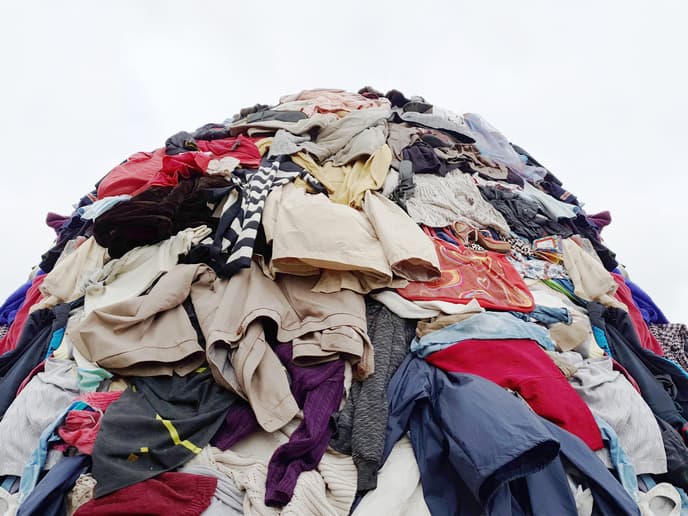
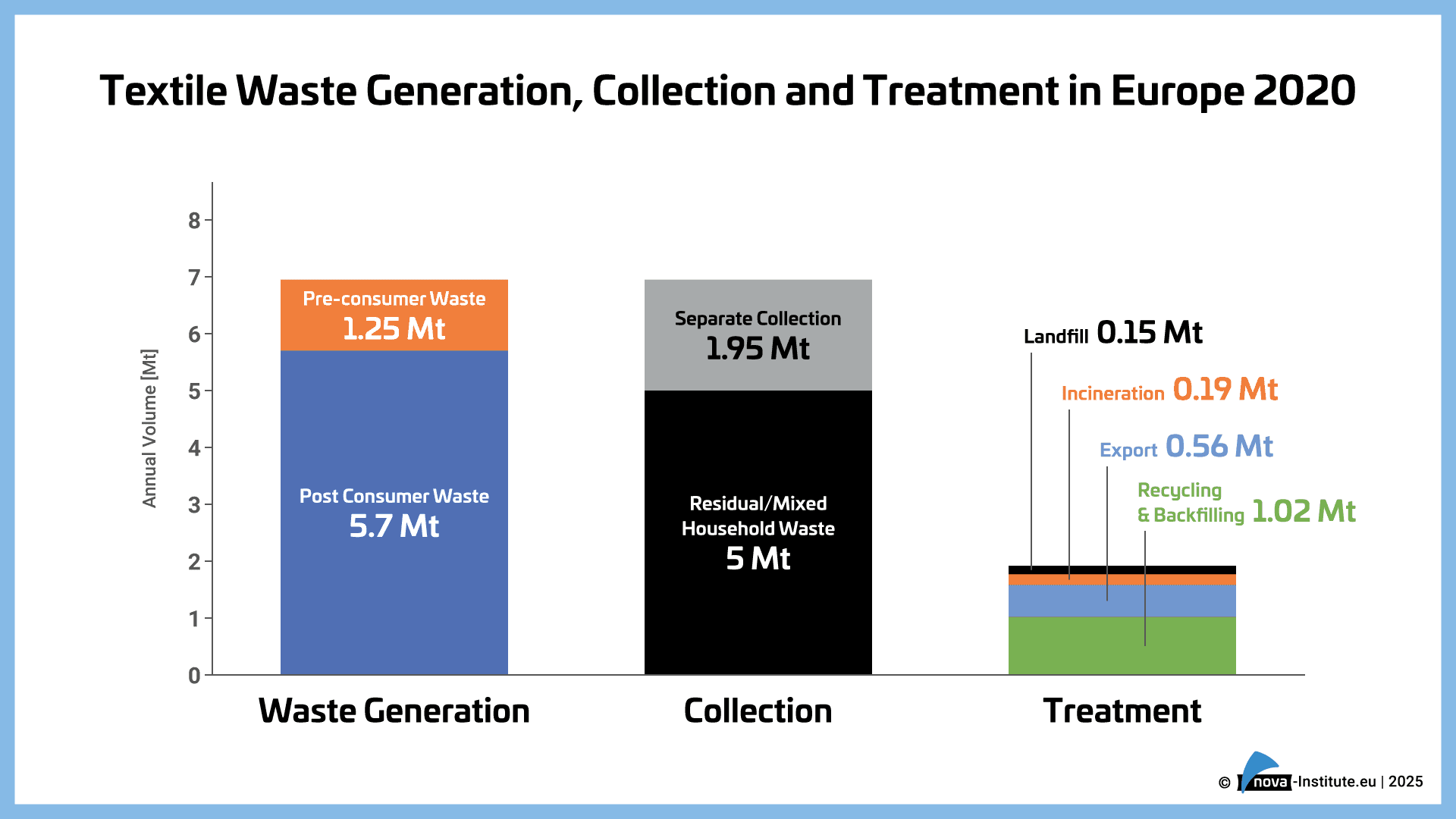
Europe generates nearly 7 million tonnes of textile waste every year, and the EU has decided a deposit-return scheme is the mechanism to start clawing that number back. Backed by €6 million from the Horizon Europe programme, TexMat launched a decentralised, automated collection system that rewards consumers for returning unwanted clothing, running pilots in Spain and Finland through March 2029.
The technology is the real story here. TexMat's smart containers, currently being developed for public street installation in Spain, don't just accept your old jeans and call it a day. Each unit runs automated sorting on the spot, assessing the quality of deposited items and identifying material composition through Digital Product Passports, the EU-standard data layer that stores detailed manufacturing information about a garment. Based on that read, the container routes each item into one of three streams: second-hand resale, textile recycling, or formal waste management. Then it generates a financial compensation for the person who dropped it off.
Elina Ilén, TexMat Project Leader at VTT Technical Research Centre of Finland, framed the stakes plainly: "The TexMat solution has great potential to transform the collection and resale of used but still valuable garments, supporting second-hand markets while enabling consumers to monetise their textiles."
The Spanish pilot brings together four organisations with clearly defined roles. The University of A Coruña leads research on sustainable business models for the pilot. Humana Fundación Pueblo para Pueblo, a social economy entity and established name in Spanish textile waste management, is a core operational partner. IRIS Technology Solutions is building the digital infrastructure and sorting software, while Rovimatica develops the TexMat application and the physical smart container itself. These four partners are spending approximately three years developing the foundations before citizens interact with the system on the street.
Ece Şanlı, head of the circular economy department at Humana, connected the technical ambition to the broader regulatory shift: "Through automated collection and sorting, the TexMat solution directly contributes to the development of the future digital product passport. It also paves the way for a successful extended producer responsibility system for textiles, while rewarding citizens for making responsible decisions and encouraging greater participation in a circular textile economy."

That regulatory alignment is central to how TexMat is positioned. The project explicitly supports implementation of the EU Strategy for Sustainable and Circular Textiles, the Circular Economy Act, mandatory textile waste collection rules, and Extended Producer Responsibility frameworks that shift end-of-life accountability back to producers. When a returned item requires formal waste management, the system notifies the original producer directly.
The Estonian firm Protex Balti is contributing expertise on embedding Digital Product Passports into garments, a piece of the infrastructure that makes the automated sorting viable at scale. Across the full consortium, 14 partners from seven EU countries are involved, including RISE Research Institutes of Sweden, Tallinn University of Applied Sciences, the University of Vaasa, Emmy Clothing Company, Green Liberty from Latvia, Italy's Stam SRL, and Netherlands-based YAGHMA B.V., alongside the Finnish and Spanish teams. VTT Technical Research Centre of Finland serves as the main project implementer, with the project officially running from 1 October 2025 to 31 March 2029.
If the pilots demonstrate the consumer uptake and operational scalability the consortium is targeting, the deposit-return model is designed to translate into EU-wide adoption. For a fashion system that has historically treated post-consumer textiles as someone else's problem, a machine on a public street that sorts your clothes, pays you back, and files a report to the brand that made them is a structural intervention, not a feel-good campaign.
This article was produced by Prism’s automated news system from verified source data, official records, and press releases, then run through automated quality and moderation checks before publishing. The system is built and supervised by the people who set the standards it runs under. Read our full AI policy.
Did this article answer your question?