EU Launches €10 Million Push for Circular Textile Collection Systems
Brussels put €10 million behind the unglamorous backbone of circular fashion: collection, sorting, reuse and repair systems cities can actually run.
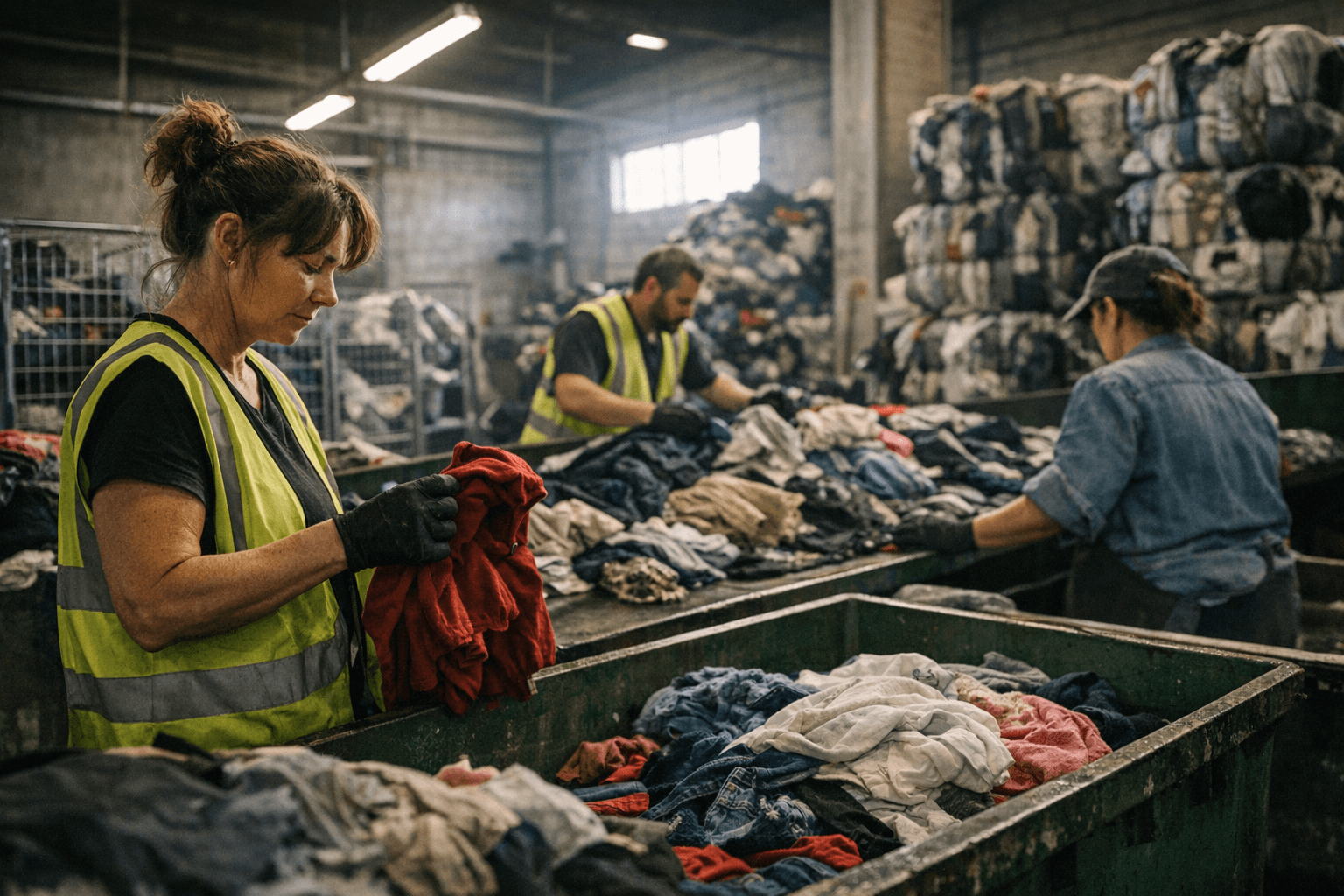
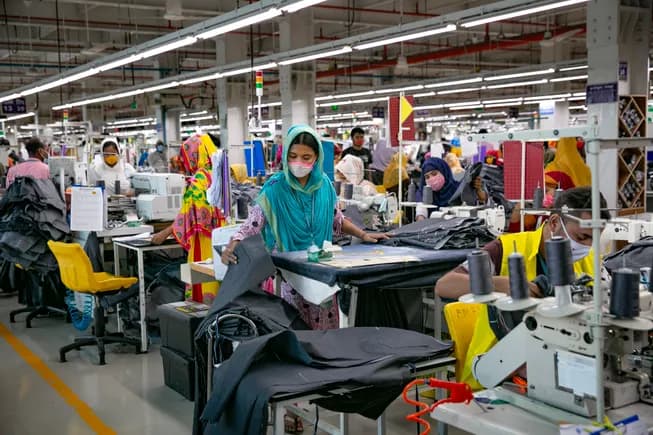
The cleanest circular-fashion story rarely starts on a runway. It starts in the logistics no one sees: the bins, sorting lines, repair hubs and local partnerships that decide whether a shirt gets worn again or becomes waste.
The European Commission has opened a €10 million Horizon Europe call for projects that will build, test and validate textile collection, sorting-for-reuse and repair systems across EU cities. Folded into the Circular Cities and Regions Initiative, the funding is aimed at systemic solutions for local and regional authorities, which is Brussels’ way of saying the next phase of sustainable fashion is less about slogans and more about infrastructure at city-region level.
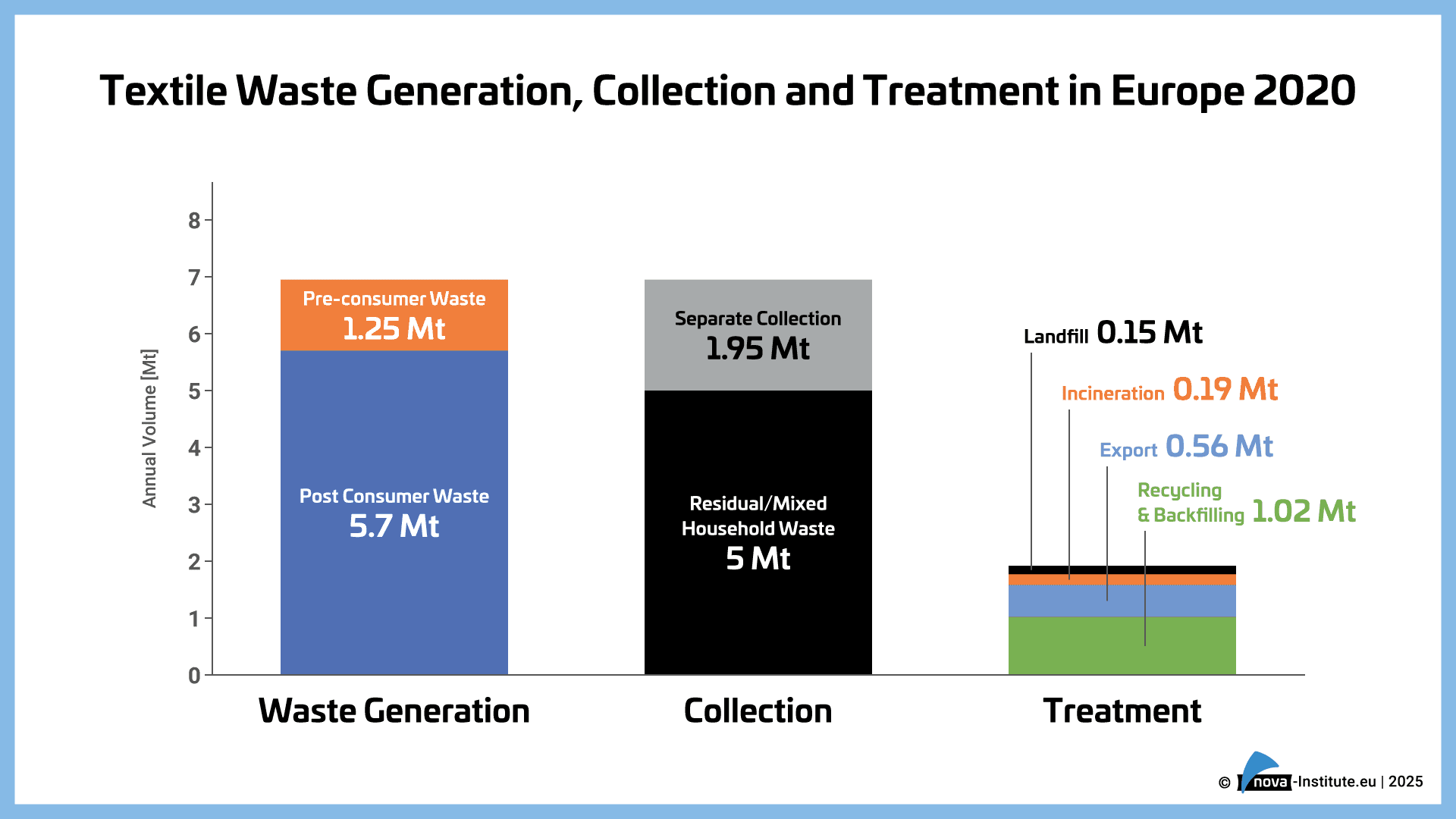
That matters because the scale of the problem is already industrial. The Commission says clothing and footwear alone create 5.2 million tonnes of waste a year, about 12 kilograms per person, while only 22% of post-consumer textile waste is separately collected for reuse or recycling. In 2019, the EU generated an estimated 12.6 million tonnes of textile waste. The old cycle of buying, discarding and exporting the mess is no longer enough to hide the volume.
The money also lands at a useful moment in the regulatory calendar. Under EU waste rules, member states were required to set up separate textile collection by 1 January 2025. The revised Waste Framework Directive entered into force on 16 October 2025, adding common EU rules for textile extended producer responsibility and pushing the single market toward a more uniform system for used and waste textiles. In other words, the policy frame is already there. What has lagged is the machinery to make it work on the ground.
This is where the call gets interesting for the industry. The EU Funding & Tenders Portal says Horizon Europe calls are grants available to public bodies, NGOs, research organisations and private companies, which opens the door to cross-sector consortia rather than one-off vanity projects. Municipalities, sorters, recyclers, repair operators, brands and technology providers can all be part of the same bid, and that is exactly the kind of coalition needed if cities are going to move from collection to reuse at scale.
The broader strategy is equally pointed. The Commission has tied textile policy to design requirements meant to make clothes last longer, be easier to repair and recycle, alongside a Digital Product Passport that could make materials easier to track through their life cycle. EURATEX has also pointed to the Horizon Europe 2026-2027 work programme as carrying circularity, textile recycling and collection-and-sorting systems that matter to the apparel sector. This is no longer just circular-fashion rhetoric. It looks like the first real build-out of the systems that will decide whether Europe can keep textile waste in circulation instead of burying it.
This article was produced by Prism’s automated news system from verified source data, official records, and press releases, then run through automated quality and moderation checks before publishing. The system is built and supervised by the people who set the standards it runs under. Read our full AI policy.
Did this article answer your question?