Study Finds Recycled Cotton and Polyester Often Outperform Virgin Fibers
Recycled cotton and polyester usually beat virgin fibers, but sorting, disposal routes and energy mix can flip the score.

The fashion industry keeps circling the same hard question: do recycled fibers actually reduce harm, or do they just polish the story on the label? A new life cycle assessment from Accelerating Circularity and Green Story gives the clearest answer yet. Mechanically recycled cotton yarn, thermomechanically recycled polyester yarn and chemically recycled polyester chips generally performed better than virgin inputs, but the results shifted sharply with sorting quality, disposal routes and the energy mix behind production.
That caveat matters. Mechanical recycling keeps cotton fibers in motion with less intensive reprocessing. Thermo-mechanical recycling uses heat to remelt polyester into new yarn feedstock. Chemical recycling goes a step further, breaking polyester down and rebuilding it into chips. Each route can cut pressure on virgin material, but each also inherits the messiness of real-world waste streams: contaminated bales, poor sorting, high-carbon electricity and inefficient disposal can blunt the gains fast.
Accelerating Circularity, the nonprofit behind the analysis, has spent about six years trying to build the infrastructure that textile-to-textile recycling still lacks. It says it has run systems trials across Europe and the United States, the kind of on-the-ground work that turns circular fashion from mood board language into logistics. The organization presented the findings in a March 31 webinar featuring Sarah Coulter of Accelerating Circularity and Akhil Sivanandan of Green Story.
The bigger message for brands is practical, not theoretical. Recycled content is not a magic wand, but it is often a better sourcing decision than virgin fiber when the feedstock is clean and the processing energy is relatively low-carbon. That means brands need to think less like shoppers chasing a single “eco” material and more like supply-chain editors: where the textiles come from, how well they are sorted, what happens when they are discarded, and which grid powers the recycling plant all change the outcome.
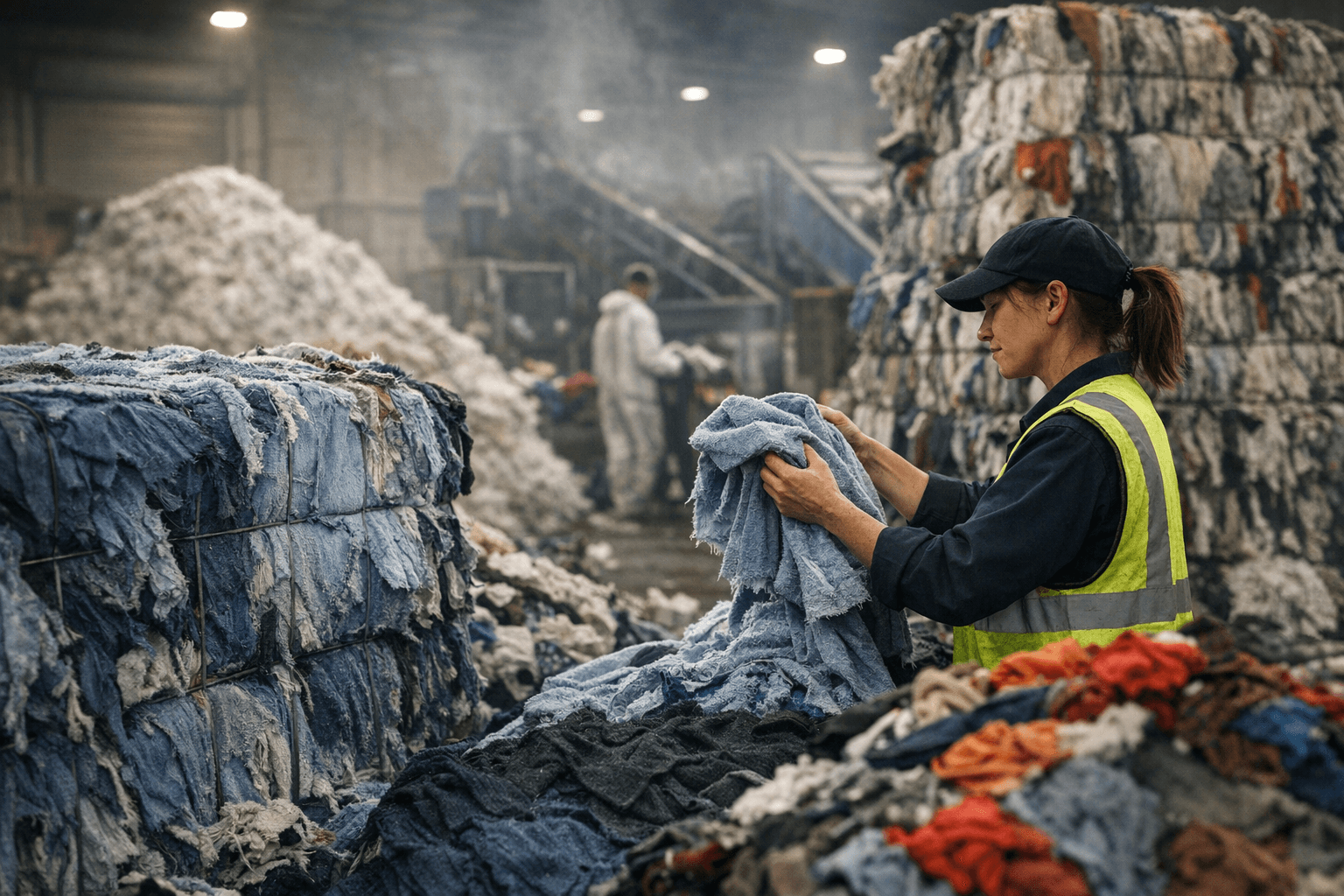
The numbers behind Accelerating Circularity’s current Clinton Global Initiative commitment show how much scale still has to be built. The group is working with brand, retail and manufacturing partners in the United States and Europe to recycle 325 tons of used textiles, including 150 tons of cotton, 100 tons of polyester and 75 tons of other fibers. That is the sort of operational volume the sector needs if recycled yarn is to move from niche capsule status to dependable sourcing.
The findings also fit a broader body of evidence. A 2024 review in Resources, Conservation & Recycling concluded that textiles made with recycled fibers generally have lower impacts than those made with virgin fibers, with some exceptions in cotton and polyester impact categories. Even so, the lowest-impact circular move remains the most old-fashioned one: keep garments in wear longer through reuse and resale. Recycling helps; longevity still wins the sustainability fit test.
This article was produced by Prism’s automated news system from verified source data, official records, and press releases, then run through automated quality and moderation checks before publishing. The system is built and supervised by the people who set the standards it runs under. Read our full AI policy.
Did this article answer your question?


