Imperial backs frontier tech to make UK sustainable fashion leader
Imperial’s White City showcase put 11 frontier-material innovators in the frame, but the real test is whether the UK can manufacture them at scale.
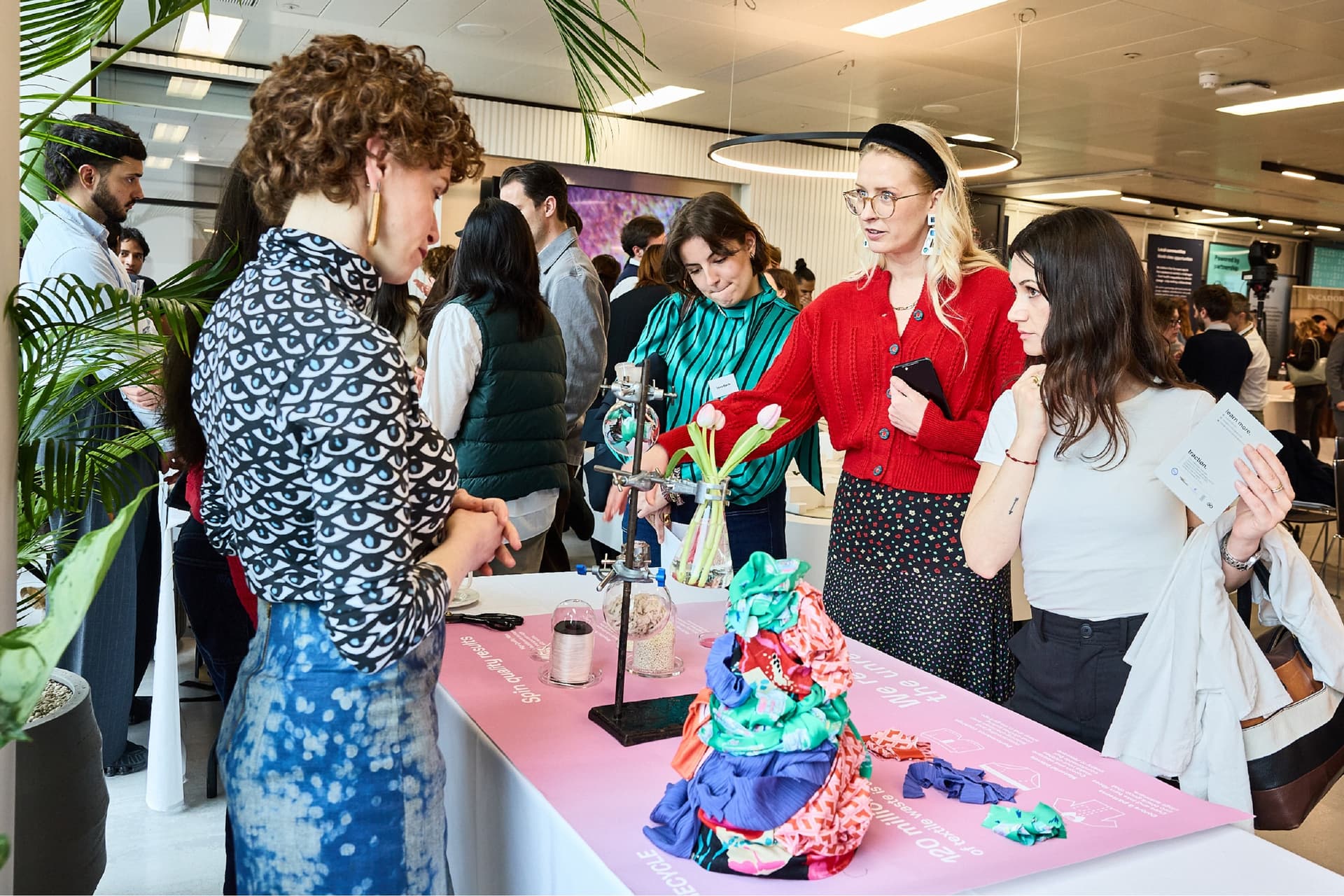
At Imperial College London’s White City campus, the pitch was not that sustainable fashion needs another slogan. It was that Britain needs the factories, buyers and policy backbone to turn lab-grown materials into clothes at commercial volume. On 16 April 2026, fashion designer Genaro Rivas, investor Irene Maffini, Ponda chief executive Julian Ellis-Brown and Solena Materials chief executive James McDonald joined a panel chaired by Professor Mary Ryan, Imperial’s Vice-Provost for Research and Enterprise, to assess whether algae dyes, bio-sequins and bacteria-synthesized textiles can move from frontier science to everyday production.
The stakes are bigger than a catwalk talking point. Imperial tied the opportunity to the fashion system’s immediate pressures: polyester is getting more expensive as oil prices swing, cotton is under strain from climate change, and a wave of sustainability regulation is tightening the rules around what brands can make and sell. That is why the conversation in West London focused less on mood-board optimism than on procurement, scale-up and manufacturing capacity. White City is being positioned as a hub inside the White City Innovation District and the wider WestTech London ecosystem, and Imperial said staff and students have created 17 sustainable fashion startups and spinouts in the past five years, many with support from Undaunted, the university’s climate-innovation hub.
Brilliant Dyes captured the commercial promise, and the bottlenecks, in one place. The Imperial spinout makes algae-based natural dyes and says it has secured about £500,000 through awards and grants, alongside five letters of intent from textile and fashion partners. It is now moving toward paid pilot trials with global sustainable-fashion brands, the point at which many promising materials stall if mills cannot retool, buyers cannot commit, or certification lags behind innovation. Brilliant Dyes has also won a 2025 H&M Global Change Award and an Innovate UK research grant, a reminder that major industry players are already hedging their bets on next-generation colour systems.
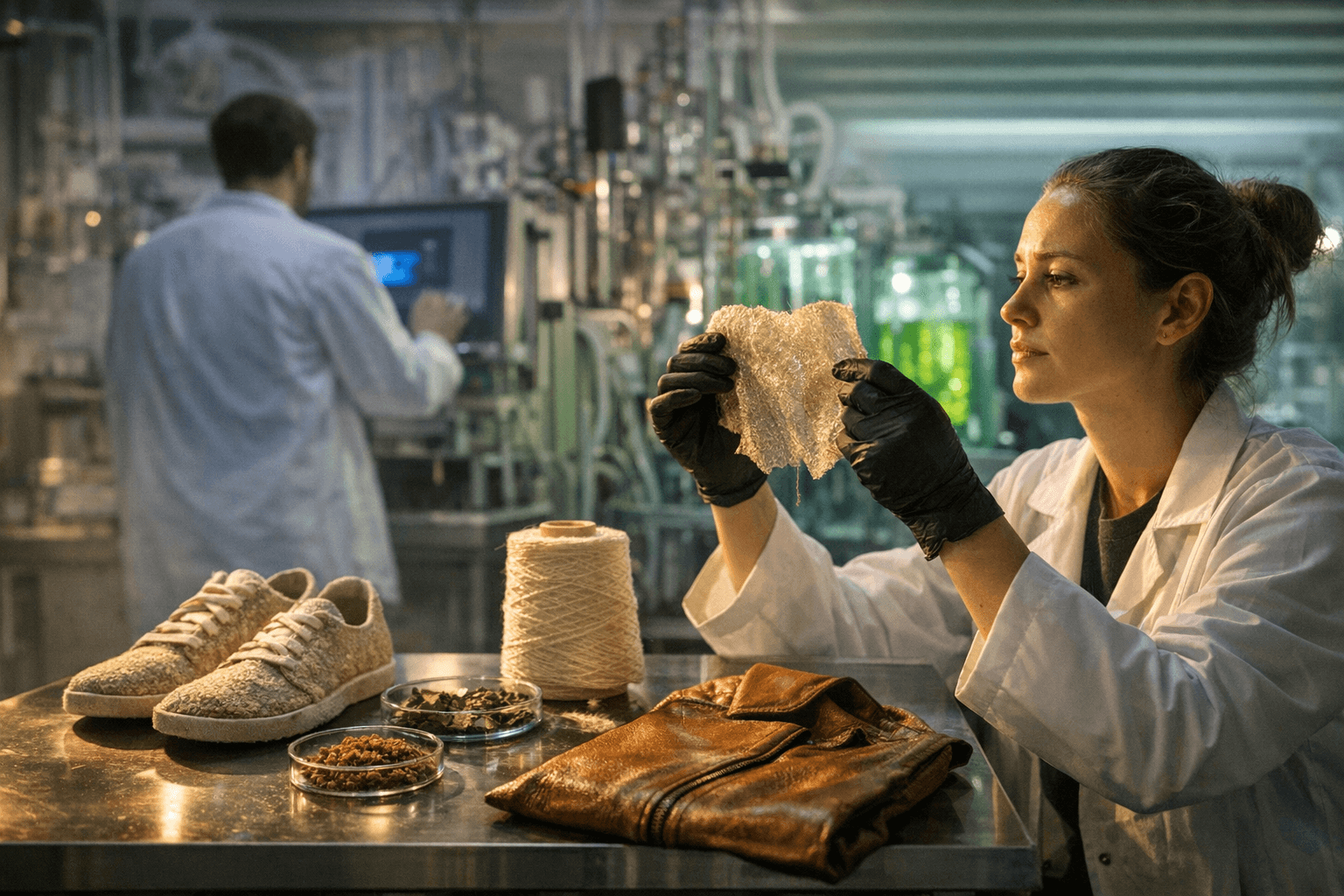
Solena Materials sits on the same fault line. The company has raised $6.7 million in seed funding after a $4.1 million pre-seed round in 2022 to scale protein fibres produced with engineered microbes and AI-designed at the molecular level. That kind of capital stack matters because sustainable fashion leadership is not just about invention, but about who can finance pilot lines, secure contracts and keep production in Britain long enough to matter. Since 2012, companies graduating from Undaunted’s programmes have raised more than £1.33 billion, created over 1,600 jobs in 30 countries and are forecast to save 29 million tonnes of cumulative CO2e, 76 million tonnes of waste and 7.4 million litres of fresh water by 2030. Imperial’s own campus strategy aims for net-zero by 2040, but the larger test is whether those research breakthroughs can be fed into local supply chains before they are absorbed elsewhere.
This article was produced by Prism’s automated news system from verified source data, official records, and press releases, then run through automated quality and moderation checks before publishing. The system is built and supervised by the people who set the standards it runs under. Read our full AI policy.
Did this article answer your question?


