EU rules force bamboo fashion brands to prove green claims
EU consumer rules landing in September 2026 are making bamboo brands prove every green claim, from fiber content to supply-chain records.
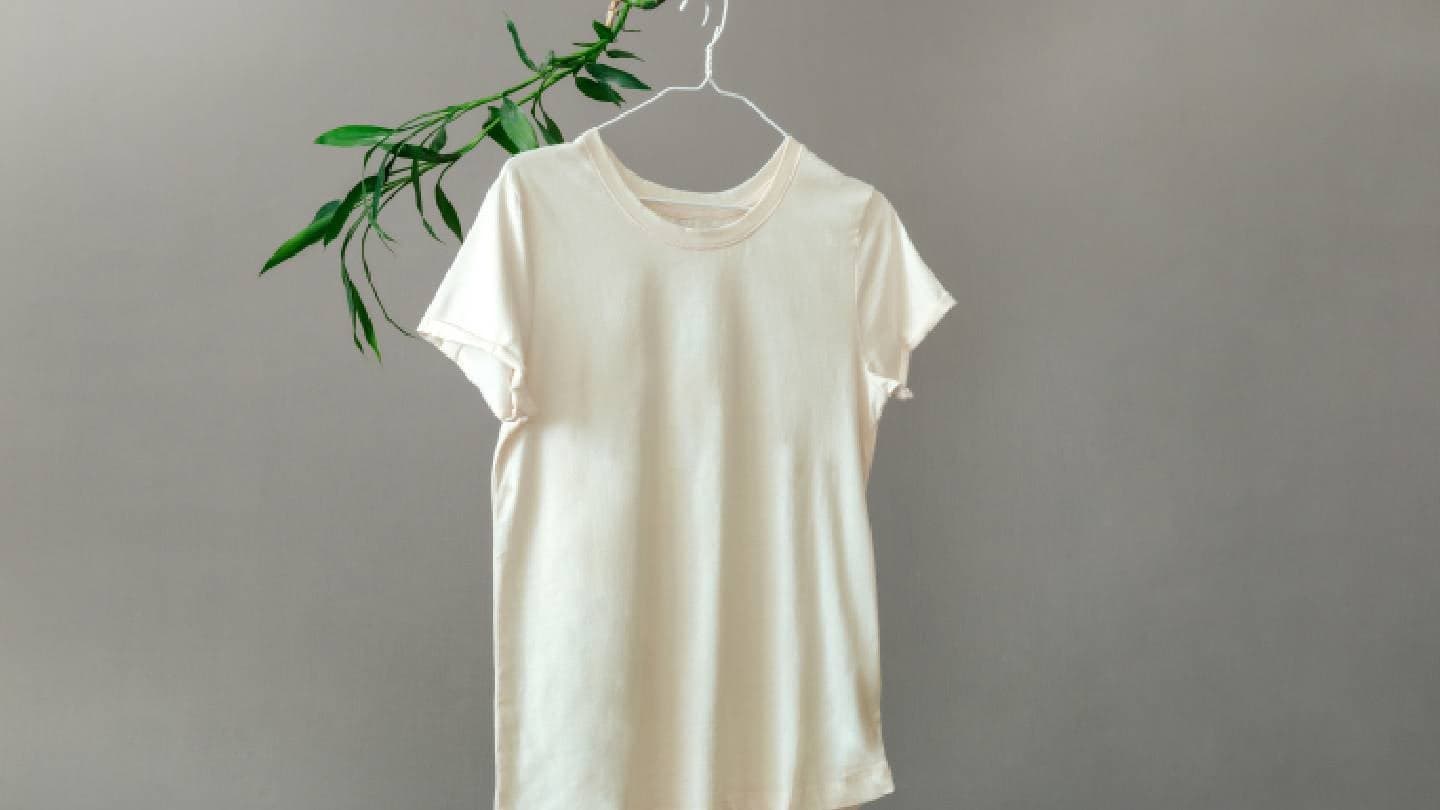
The EU’s new consumer rules, set to start applying in September 2026, are forcing bamboo apparel brands to back up every green claim with evidence. That means the easy language is over: if a shirt is sold as sustainable, traceable, or cleaner than cotton, the paperwork now has to be there to support it.
The pressure started building years ago. The European Commission presented its Strategy for Sustainable and Circular Textiles in March 2022, then proposed the Green Claims Directive in 2023 to set EU-wide requirements for substantiating voluntary environmental claims. The legislative process for that proposal was later paused, but the direction of travel did not change. The Commission’s green-claims policy is still aimed at shutting down misleading environmental marketing, and Directive (EU) 2024/825, the Empowering Consumers for the Green Transition directive, is already on the books.
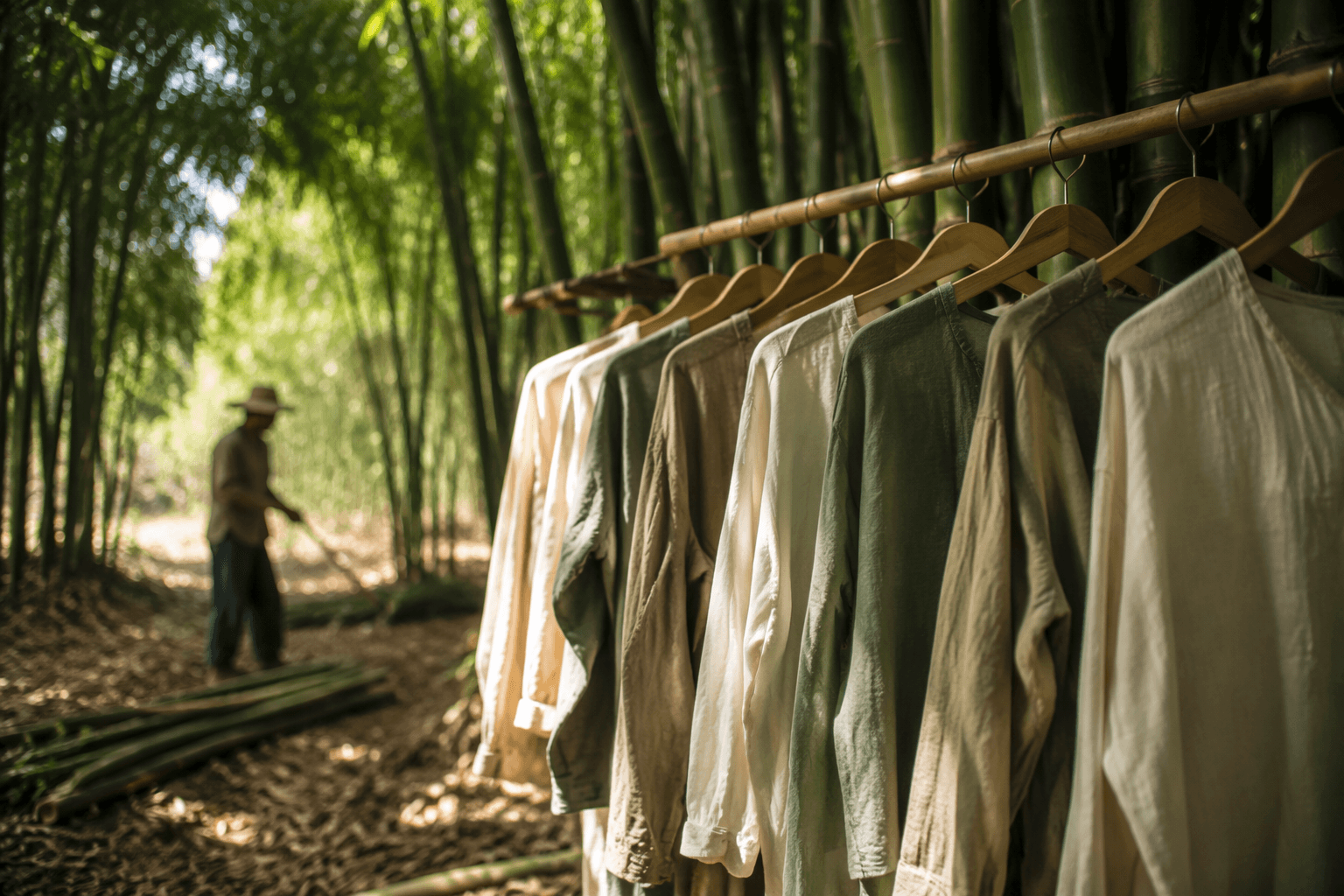
For bamboo labels, this is where things get messy. A lot of what gets sold as bamboo clothing is actually bamboo viscose or rayon, not raw bamboo fiber, which makes precise labeling a compliance issue, not a branding flourish. Brands and suppliers now have to rebuild the chain of proof behind their product pages, hangtags, and sourcing decks: where the material came from, how it was processed, and what exactly is being claimed about it. If a company cannot substantiate its environmental language, the risk lands on the marketing copy, the certification file, and the supplier relationship all at once.
The stakes are not abstract. The European Parliament says EU textile consumption rose from 17 kg per person in 2019 to 19 kg in 2022, while around 12 kg of clothing and footwear per person is discarded each year. That waste stream is exactly why regulators are tightening the screws on fast-moving fashion claims, especially in categories that lean heavily on nature-coded language like bamboo. The European Environmental Bureau, which said in December 2024 that it represents more than 180 member organisations in 40 countries, has helped keep that pressure in view.
Industry advisers are already treating this as a rebuild moment. DLA Piper flagged the impact of the Green Claims Directive on fashion retail in an April 15, 2024 piece, and Carbonfact has pointed out that the proposal would have required both product-level and brand-level claims to be backed by evidence. For bamboo brands, the next clean silhouette may be on the sales floor, but the real work is buried in traceability files, substantiation, and labels that can survive scrutiny.
This article was produced by Prism’s automated news system from verified source data, official records, and press releases, then run through automated quality and moderation checks before publishing. The system is built and supervised by the people who set the standards it runs under. Read our full AI policy.
Did this article answer your question?