EU Water Rules Tighten PFAS Controls, Raising Fashion Wastewater Scrutiny
Brussels widened water pollution controls to PFAS, bisphenol A and pharmaceuticals, putting textile dyehouses and finishes under sharper wastewater scrutiny.
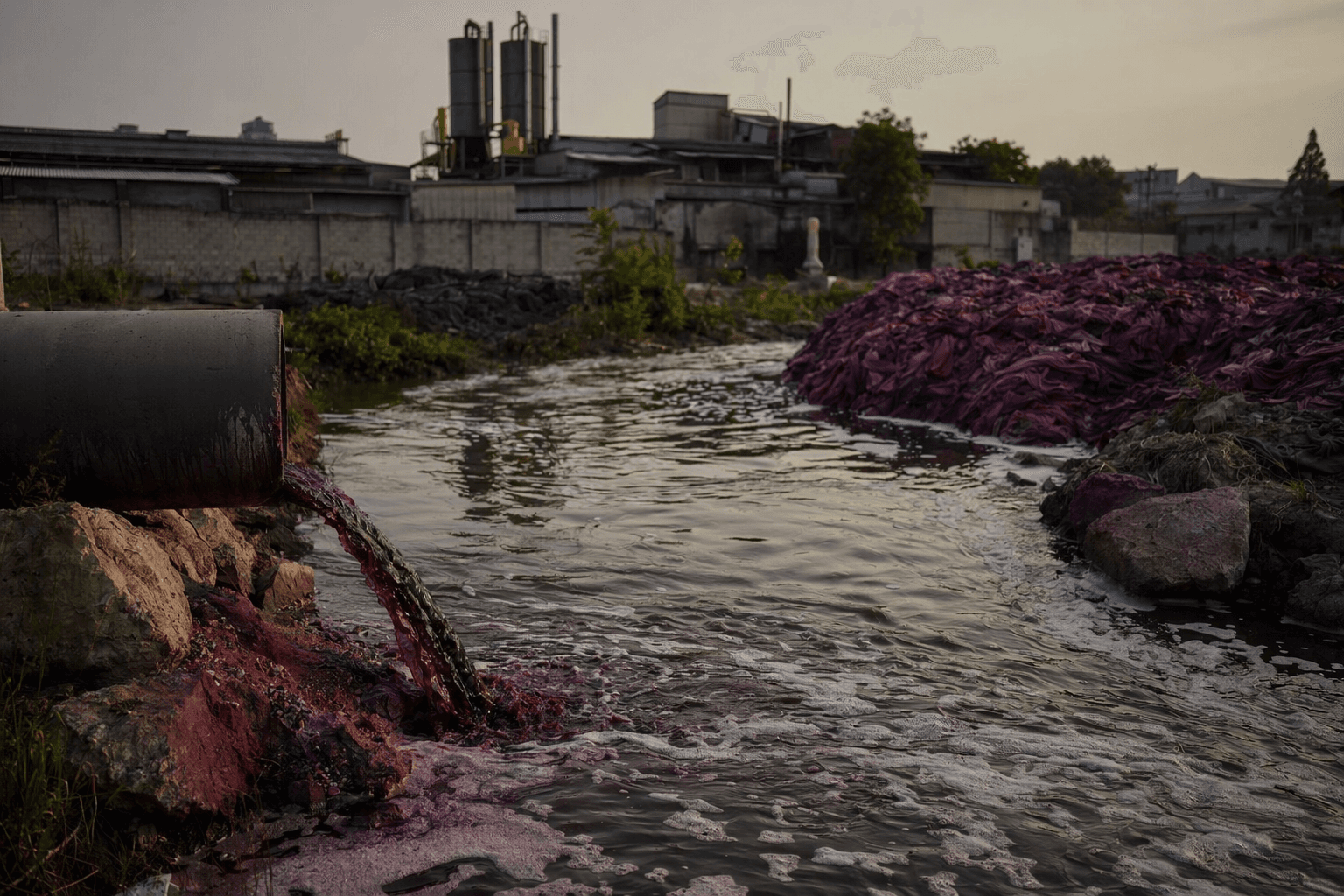
The EU just put fashion’s wastewater under a brighter light. New water-quality rules that took effect on 11 May 2026 tightened controls on PFAS, pesticides, bisphenol A and certain pharmaceuticals, while introducing the first EU-wide combined-chemical-risk assessment, a shift that reaches deep into textile dyeing, finishing and discharge management.
The directive amends the Water Framework Directive, the Groundwater Directive and the Environmental Quality Standards Directive, and the European Parliament gave the package its final green light in March 2026. For brands and mills, the message is blunt: the era of treating water pollution as a narrow compliance box is ending. The updated lists are meant to reflect the latest scientific advice, so new substances will be monitored more closely and subject to stricter controls.
The pressure is especially acute around PFAS, the so-called forever chemicals that have long been used in some textile applications, especially water-repellent treatments. Surface waters now add PFAS to the list of priority substances, alongside certain pharmaceuticals, industrial substances and pesticides. Groundwater rules have also become stricter, with a hard standard for the sum of the four most harmful PFAS and monitoring of a broader sum of 20 PFAS, in line with the Drinking Water Directive.
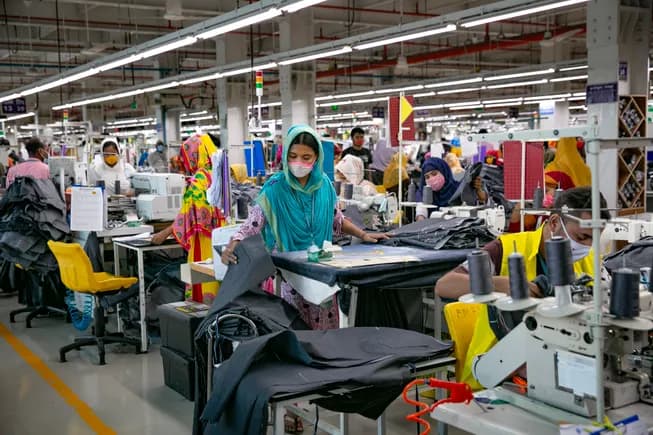
That matters far beyond paper compliance. Textile supply chains rely on finishing chemistry that can end up in effluent, and the new rules will push mills to scrutinize the chemistry going into coatings, durable water repellency and other treatments, then match that with stronger wastewater treatment and supplier auditing. The European Commission had already restricted PFHxA and related substances in September 2024, a move that effectively signaled the end of some C6 water-repellent chemicals in textiles. This latest package widens the lens from one chemical family to the combined load moving through water systems.
The reform also adds mandatory testing on the effect of endocrine disruptors, another sign that regulators are looking beyond single-substance limits and toward cumulative risk. Separate rules that began applying on 12 January 2026 already required harmonised PFAS monitoring in drinking water, so fashion’s chemical footprint is now being watched from intake to discharge.
The economics are just as sharp. The Commission has said that tackling PFAS pollution at the source by 2040 could save €110 billion, while treating polluted water alone would cost more than €1 trillion. In Brussels, that turns wastewater from a back-of-house utility into a frontline business risk, and for fashion, it raises the cost of every finish that leaves a residue behind.
This article was produced by Prism’s automated news system from verified source data, official records, and press releases, then run through automated quality and moderation checks before publishing. The system is built and supervised by the people who set the standards it runs under. Read our full AI policy.
Did this article answer your question?