Europe’s textile-to-textile recycling gains ground as EPR rules expand
Textile-to-textile recycling is moving into production, but Europe's real bottleneck is still dirty feedstock and patchy collection. EPR is the lever brands will have to fund.
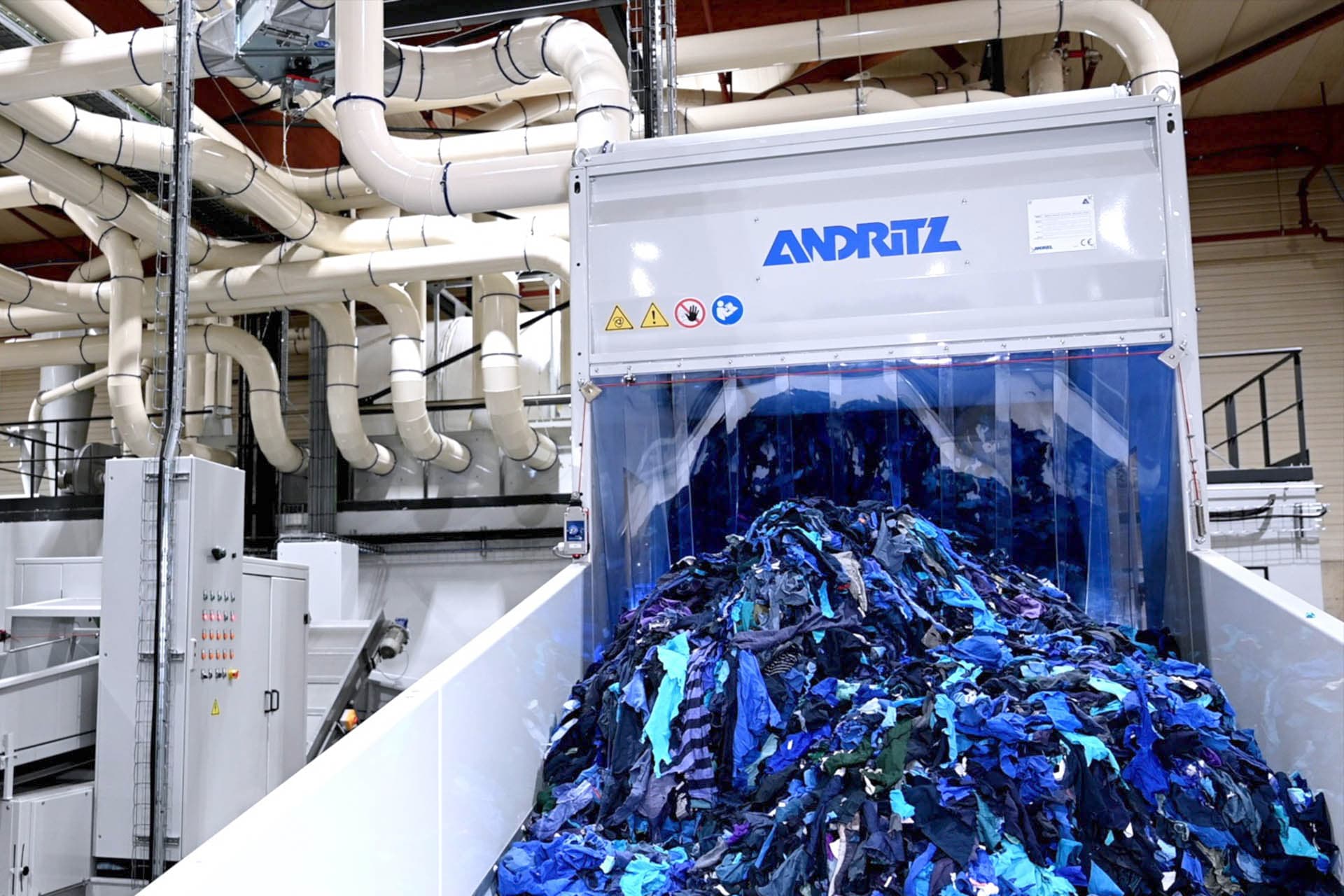
Textile-to-textile recycling is no longer a lab fantasy. Parts of Europe and Turkey already have it running on factory floors, but the truth is harsher than the hype: the technology exists, and the system around it still does not. The cleanest yarn in the world means nothing if it cannot get enough clean feedstock, and that is where the whole market keeps hitting the same wall.
The breakthrough is real, but the feedstock is not
Texfash’s Léonard Brudieu has been tracking a sector that has moved past the “can it work?” phase and straight into “why is it still so small?” Industrial-scale fibre-to-fibre recycling now exists mainly for pure cotton and single-variety polyester, which tells you everything you need to know about the bottleneck. Mixed-fibre garments, the stretchy jerseys, coated shells, and blended knits that dominate modern wardrobes, are still much harder to process.
That matters because fashion does not live in neat material lanes. The industry loves technical triumphs, but what it really needs is a supply of sorted, predictable input that can be turned into consistent output. Right now, the gap between those two points is where scale goes to die.
EPR is the bill behind the buzz
The European Commission set the tone in its EU Strategy for Sustainable and Circular Textiles, published on 30 March 2022, with a 2030 vision that textile products placed on the EU market should be durable, repairable, recyclable, and to a great extent made of recycled fibres. The same vision also calls for enough recycling capacity to keep textiles out of incinerators and landfills, which is the part of the story too many brands still treat like someone else’s problem.
In July 2023, the Commission proposed mandatory and harmonised extended producer responsibility schemes for textiles across all EU member states. The revised Waste Framework Directive then made that direction unavoidable by requiring member states to establish textile and footwear EPR schemes. In plain language, producers are being pushed to pay for the waste their products become, because without that money the collection and sorting system stays thin and chaotic.
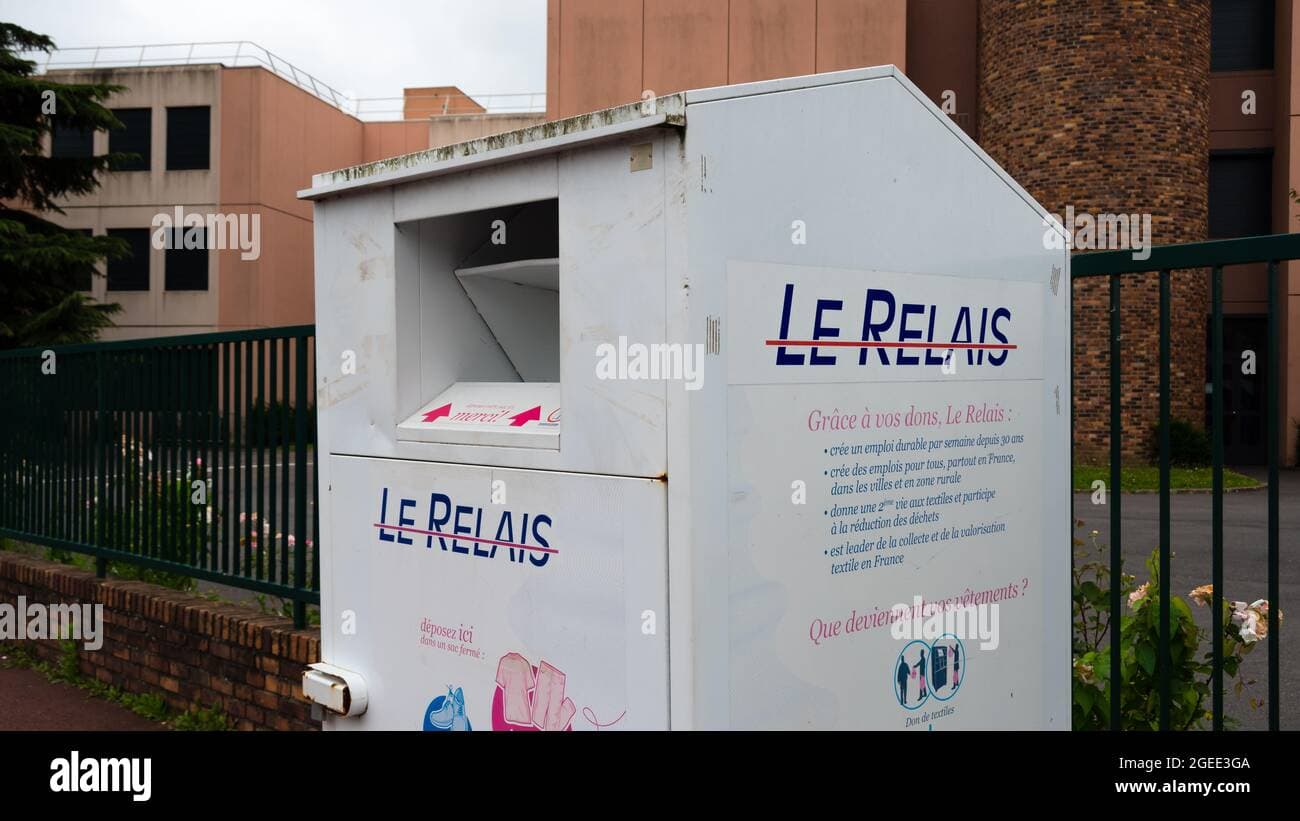
France has been living with textile EPR since 2007 through Refashion, which makes it the region’s most useful early case study. The Netherlands followed with textile EPR entering into force on 1 July 2023, with mandatory producer targets from 2025 and reporting due from 2026 under oversight from the Dutch Human Environment and Transport Inspectorate, the ILT. EURATEX sees EPR as the tool that can build the collection and sorting infrastructure the sector still lacks, especially as textile collection volumes rise.
A French data point cited by the Ellen MacArthur Foundation is the kind of number that cuts through the rhetoric: 31 percent of textiles placed on the French market in 2022 were collected separately. That is not perfect, but it is proof that policy can move material out of the post-consumer black hole and into a system that can actually do something with it.
Why the mountain of waste still becomes smoke
The European Commission Joint Research Centre has put hard weight behind the problem. One JRC study says more than 8 million tonnes of used and waste textiles are incinerated or landfilled each year in the EU. Another says preparing for reuse is the most beneficial pathway environmentally and socio-economically, which is a polite way of saying the best material is the material that never becomes waste in the first place.
This is where the industry keeps tripping over itself. If there is one missing piece that would unlock scale fastest, it is not another glossy recycling promise. It is a funded, standardized collection-and-sorting layer that can separate reusable items, pure cotton, and single-polyester streams before they get contaminated beyond usefulness. EPR is supposed to pay for exactly that, and the brands that have benefited from cheap virgin fibre are the ones that should be writing the checks.
The other drag is price. Virgin fibre still has the cost advantage, which means recycled material has to fight for every order even when the sustainability case is obvious. That leaves mills and recyclers stuck between policy ambition and buyer hesitation, with margins squeezed from both ends.
Mechanical and chemical recycling are not on equal footing
The technology split is clearer than most marketing decks admit. The European Commission’s LIFE T-REX project says industrial-scale fibre-to-fibre recycling currently exists mainly for pure cotton and single-variety polyester, and that chemical recycling is already used for cotton at commercial level. Mixed blends remain the hard case, the one that keeps swallowing capital and patience.
A 2025 IVL Swedish Environmental Research Institute project on European fibre-to-fibre recyclers found four companies using chemical recycling and two using mechanical methods. Maja Dahlbom’s project also found that mechanical recyclers are generally more mature technologically than chemical recyclers, which is the kind of detail buyers and investors should care about more than any circularity slogan. Mechanical systems are further along, but chemical routes keep attracting attention because they can open doors for material that would otherwise be too messy to recover.
That leaves brands with a practical lesson: design for separability is no longer a nice-to-have. If the garment cannot be sorted, the recycling promise is decorative.
Turkey is where the industrial race feels most alive
Turkey matters here because it is both a textile heavyweight and a place where the next phase of recycling is being built in public. Sanko Textile launched RE&UP in 2023 to focus on textile-to-textile recycling, and the platform’s ambition is blunt: 1 million tonnes of recycling capacity by 2030. That is not a side project. That is a bet on becoming part of the backbone of the market.
Kipaş Textiles moved into the same fight with the launch of its fibR-e polyester recycling platform in late 2025, pitched as a way to overcome the stubborn hurdles that have kept polyester from becoming fully circular. Then there is the planned enzymatic depolymerization plant in Adana, tied to CARBIOS and SASA, with expected annual capacity of 100,000 tonnes of prepared PET waste from textiles. It is a real signal that industrial capacity is being built, not just discussed.
And yet the same three problems keep showing up everywhere: not enough feedstock, too much policy fragmentation, and recycled fibre that still has to compete with virgin material on price. That is the post-breakthrough reality check. Europe has the chemistry, the pilots, and some real production lines already moving, but the next leap depends on collection, sorting, and the political will to make producers pay for a system that can finally work at volume.
This article was produced by Prism’s automated news system from verified source data, official records, and press releases, then run through automated quality and moderation checks before publishing. The system is built and supervised by the people who set the standards it runs under. Read our full AI policy.
Know something we missed? Have a correction or additional information?
Submit a Tip