Fashion's sustainability gap is a supply-chain purchasing problem
Fashion’s climate problem is not a lack of greener technology. It is a purchasing system that pushes decarbonisation costs onto suppliers and then calls the result a strategy.
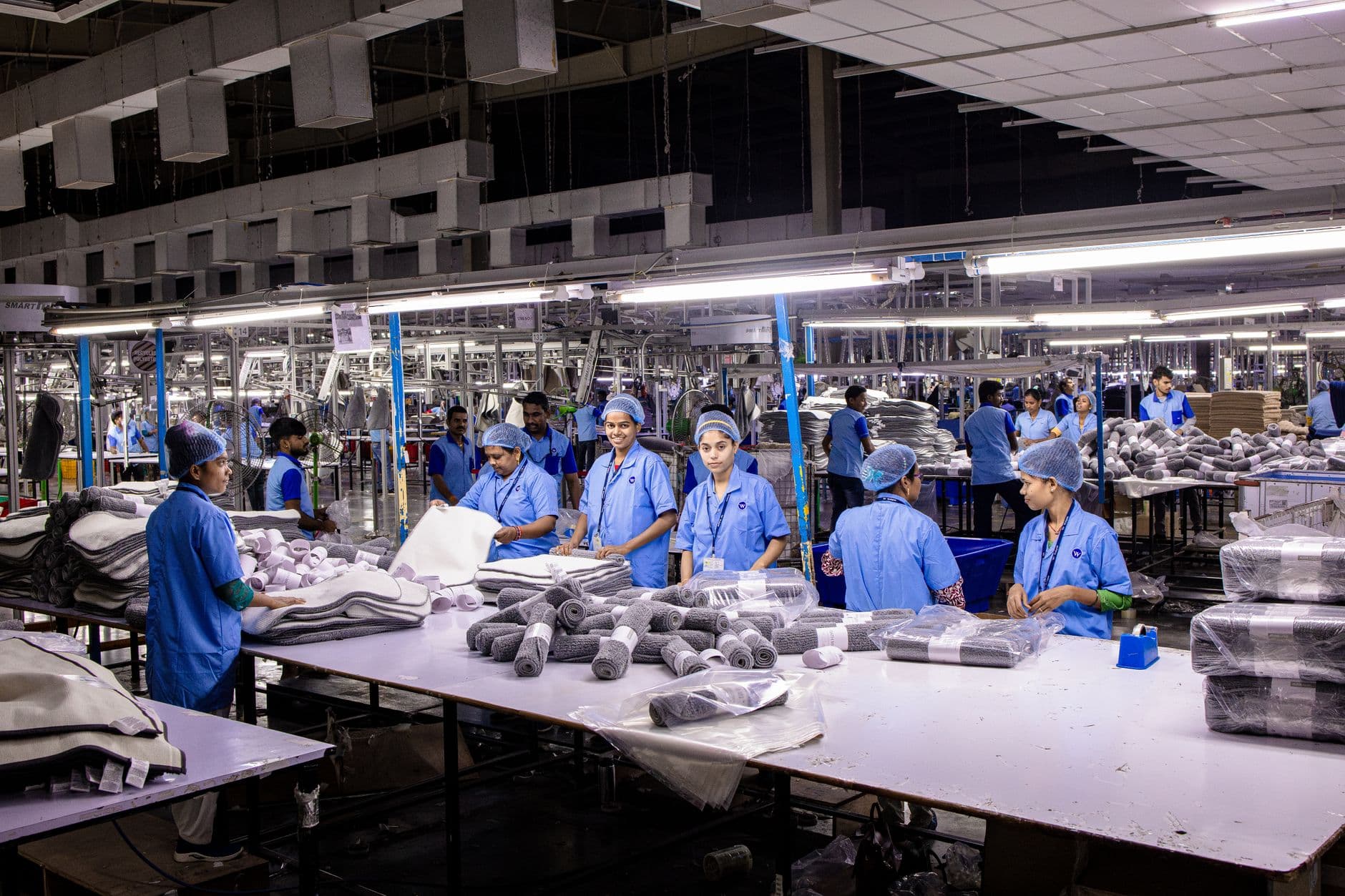
Fashion keeps talking about net-zero as if the obstacle were innovation, but the sharper problem is who pays when a cleaner process has to move from a pilot line into real production. The industry has already produced enough promising tests to prove the technology exists; what keeps those gains from spreading is procurement behaviour, pricing pressure, and contracts that leave suppliers carrying the financial weight of change.
The real gap is commercial, not technical
The textile sector has spent years perfecting small-scale sustainability wins, yet many of them stall before they become standard practice. That is the central critique of the latest texfash interview: brands are setting decarbonisation goals while procurement teams continue to squeeze margins, turning environmental performance into a market-access requirement rather than a shared investment. In other words, suppliers are told to transform, but not always paid in a way that makes transformation possible.
That distinction matters because the fashion business is not a neat showroom problem. It is a supply-chain business, and the emissions are buried in the part of the system that buyers are least eager to fund. UNFCCC’s 2025 white paper puts fashion’s climate footprint at roughly 2% to 8% of global greenhouse-gas emissions, with about 80% of those emissions occurring within the supply chain. If the carbon is mostly upstream, then the credibility test for any brand’s climate pledge is upstream too.
Why pilots do not become practice
The industry has no shortage of demonstrations, trials, and promising labs. What it lacks is the purchasing discipline to turn those tests into standard operating procedure. A lower-impact dyeing process, a more efficient fibre route, or a cleaner finishing method can work beautifully in a pilot setting and still fail in the market if the buyer refuses to absorb even a modest price premium or sign long enough contracts to support new equipment.
That is why the most serious sustainability strategies are not only about material innovation. They are about procurement design. Longer commitments, better forecasting, and price support are what allow suppliers to finance retrofits, training, and process changes without treating decarbonisation as an unfunded mandate. Without those changes, climate targets become a kind of couture language: elegant on paper, impossible to wear in production.
The funding gap is still wide open
The financing picture is blunt. A Business & Human Rights Resource Centre summary found that 94% of big fashion brands did not disclose how much they are investing in supply-chain decarbonisation. Only 6% disclosed contributions, and those contributions were often routed through joint climate vehicles such as the Fashion Climate Fund and the Future Supplier Initiative. That is not just a reporting gap. It is a signal that many brands are still treating supplier decarbonisation as someone else’s ledger.
Joint funds matter because they represent one of the few models in which the burden is at least partially shared. They are also a useful benchmark for seriousness. A brand that contributes to collective financing is making a different statement from one that simply publishes a target and lets the factory base absorb the engineering bill. The first is a strategy. The second is cost dumping dressed up as ambition.
Workers cannot be an afterthought
There is another layer to credibility that is easy to miss in climate talk: the people who make the clothes. A 2025 Business & Human Rights report warned that many fashion brands are setting decarbonisation targets without adequately including workers in planning or implementation. That is a serious flaw, because the transition to lower-carbon production changes job design, skills, and workplace expectations as much as it changes machinery.
A just transition is not a slogan to add after the fact. If brands are asking suppliers to adopt new processes, they also need to account for what that means on the factory floor and across the broader labour ecosystem. Climate plans that ignore workers can produce cleaner spreadsheets while leaving the real burden untouched. The result is not only ethically thin, it is operationally fragile.
What a serious net-zero plan actually looks like
McKinsey has argued that much of fashion’s decarbonisation can be achieved at a modest cost relative to retail price. That framing is important because it cuts through the assumption that climate action must automatically mean a dramatic hit to consumer margins. The remaining challenge is not simply engineering expense, but whether brands are willing to distribute that expense in a way that makes implementation viable.
A serious strategy would look less like brand rhetoric and more like commercial redesign. It would include:
- Longer supplier contracts that justify capital investment
- Purchase prices that reflect cleaner production costs
- Co-investment in equipment, training, and process change
- Transparent disclosure of supply-chain decarbonisation spending
- Worker inclusion in transition planning and implementation
- Clearer incentives for suppliers to scale what already works
Even McKinsey’s work points to one uncomfortable truth: some decarbonisation levers depend on consumer behaviour shifts. That means brands cannot solve everything by pushing harder on suppliers. They will eventually have to think about demand, product mix, and the price architecture that supports lower-impact fashion without pretending those changes are free.
From aspiration to accountability
Textile Exchange remains one of the sector’s key reference points here, describing itself as a global nonprofit working with brands, manufacturers, and farmers on climate and nature outcomes across fashion, textile, and apparel. Its Materials Benchmark, the largest peer-to-peer comparison initiative in the industry, keeps pressure on companies to show progress rather than promise it. That kind of benchmarking matters because the industry is still struggling to move from isolated wins to scaled adoption.
The lesson for fashion is straightforward. If a brand wants credit for a net-zero target, it has to prove it is not forcing suppliers to finance the transition alone. Serious purchasing changes, not just cleaner language, will separate genuine climate leadership from the familiar habit of shifting risk downstream and calling the result progress.
This article was produced by Prism’s automated news system from verified source data, official records, and press releases, then run through automated quality and moderation checks before publishing. The system is built and supervised by the people who set the standards it runs under. Read our full AI policy.
Know something we missed? Have a correction or additional information?
Submit a Tip