Le Relais to remove 4,300 clothing banks as France’s textile market worsens
Le Relais will pull nearly 4,300 clothing banks and cut 15,000 tonnes of collections, a stark sign that France’s used-textile system is buckling.
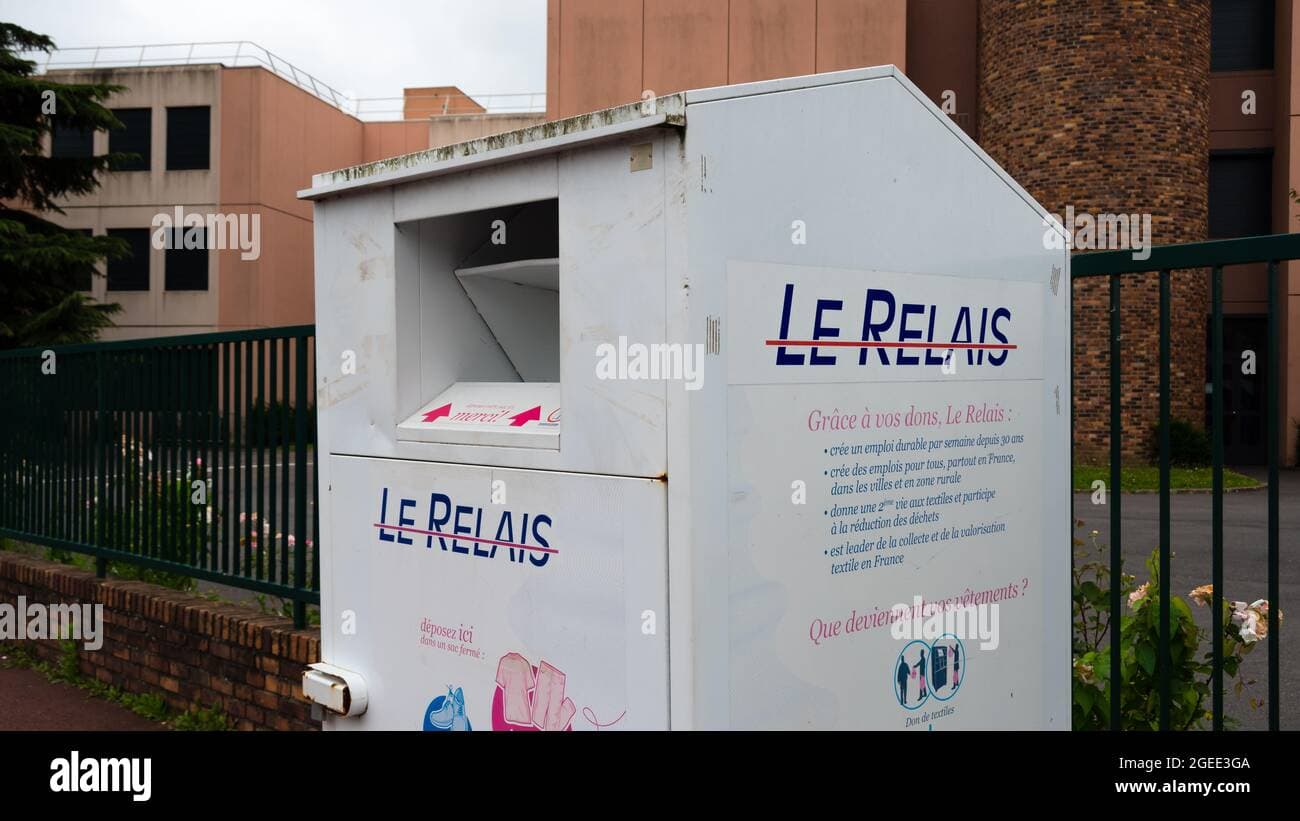
The clothing bank, that humble metal box on a street corner or beside a supermarket car park, is about to become much harder to find in France. Le Relais said it will withdraw nearly 4,300 containers from a nationwide network of 20,500 and cut its textile collections by about 15,000 tonnes, a drastic retrenchment that also eliminates about 60 insertion jobs.
The move lands as a hard reality check for the country’s circular-fashion model. Le Relais, a major collection and sorting operator and a member of Emmaüs France, said it was “forced” to scale back after the sector’s economic balance became unsustainable. The scale of the cut is striking because it is not an abstract policy dispute: it means fewer drop-off points for households, less material entering the reuse stream, and more pressure on local authorities already managing the fallout from a system under strain.
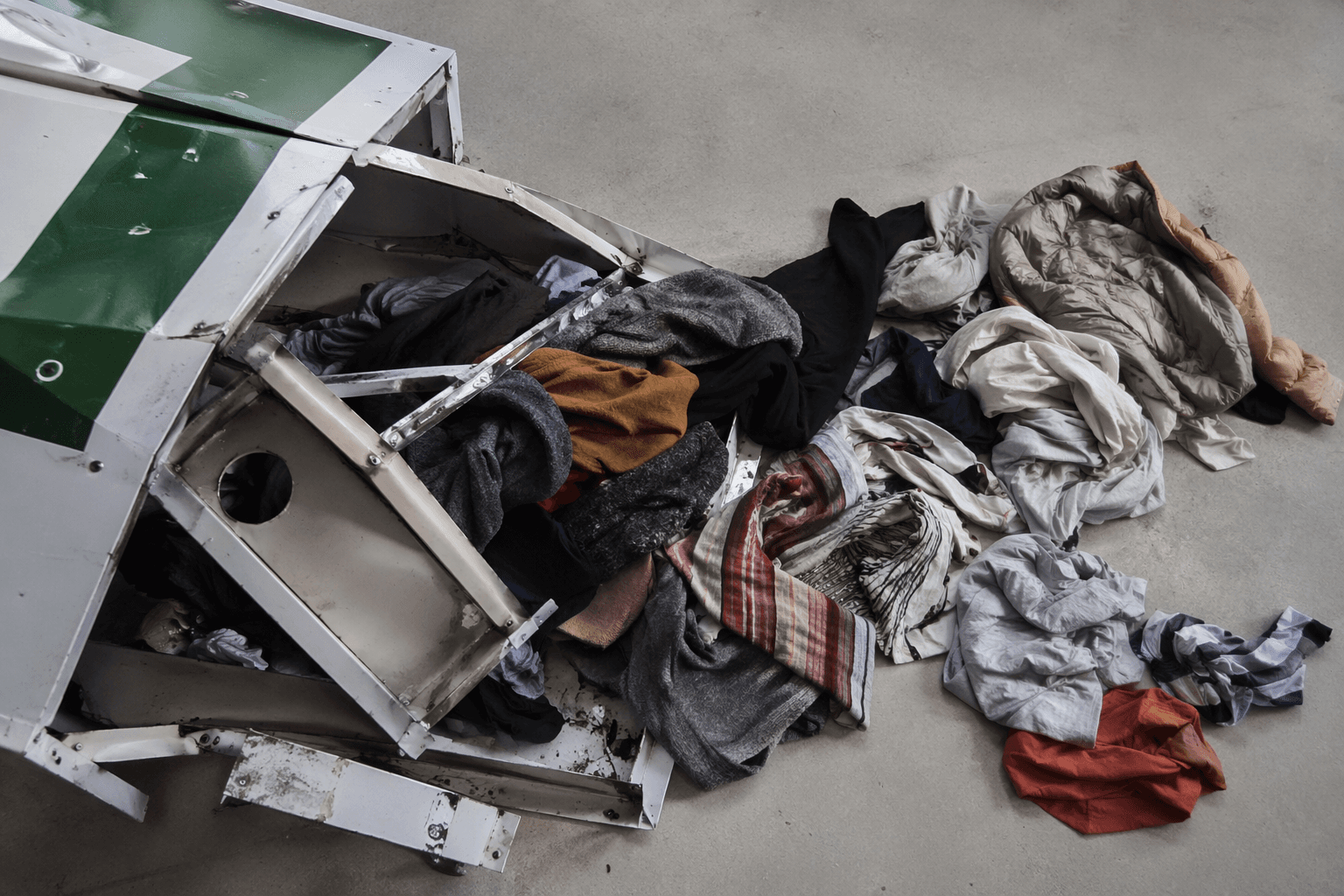
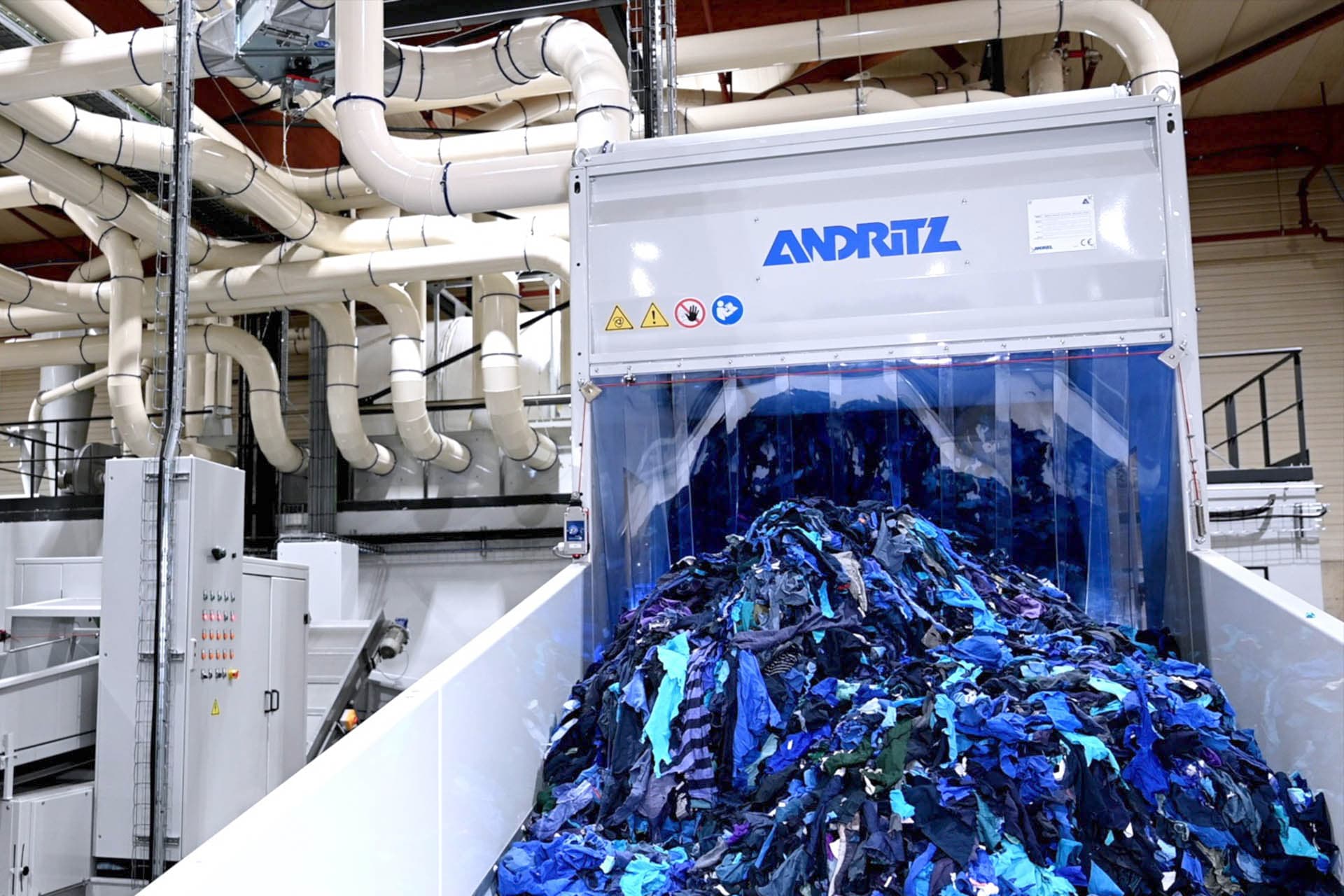
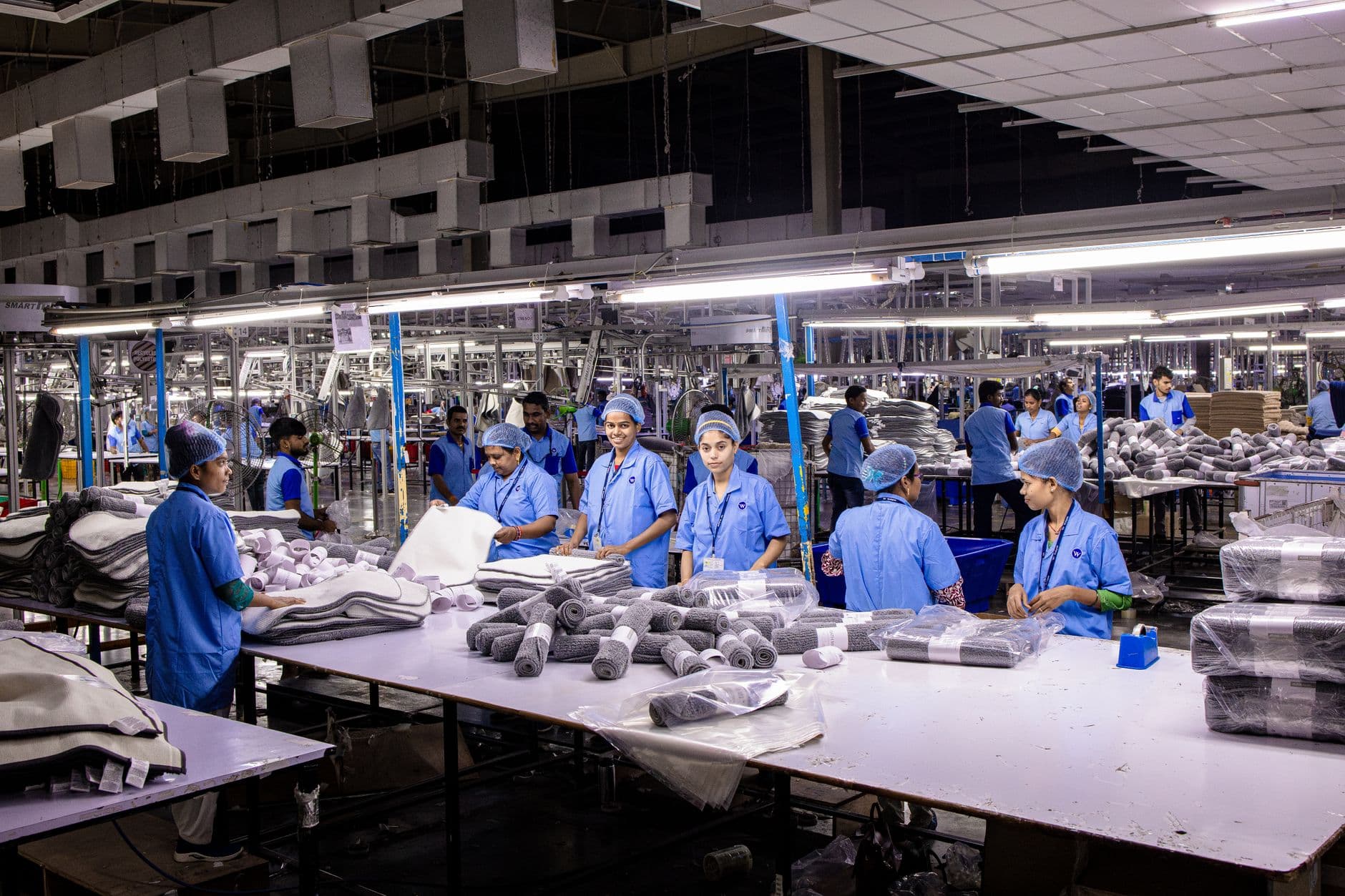
The crisis has been building for months. Officials and industry sources have tied it to collapsing export outlets for second-hand clothing, the rapid spread of ultra-fast fashion, and a sharp deterioration in the quality of textiles entering the system. Refashion, the eco-organization overseeing the sector, said the crisis is real but argued that it demands a profound change in the model. It also described the collection stoppage as a blocking move that penalizes local authorities, citizens and solidarity actors.
France’s textile EPR system for textiles, household linen and shoes has existed since 2009, but the machinery behind it is now creaking. The rules for 2023 to 2028 were set by an order of November 23, 2022, and the government has already resorted to emergency support. Officials announced exceptional aid of €49 million for 2025, with another €57 million planned for 2026, while a ministerial order published on August 14, 2025 laid out support measures for collection, sorting and reuse actors.
The numbers underline why the collapse feels so visible. A Senate response in 2025 said 810,000 tonnes of textiles were placed on the French market in 2023, feeding a collection stream that now yields too much low-value clothing and not enough material that can be sold or reused at scale. Le Relais’s cut is therefore more than a company decision. It is a warning that France’s textile loop is losing the economics that once kept it spinning.
This article was produced by Prism’s automated news system from verified source data, official records, and press releases, then run through automated quality and moderation checks before publishing. The system is built and supervised by the people who set the standards it runs under. Read our full AI policy.
Know something we missed? Have a correction or additional information?
Submit a Tip