EU's RegioGreenTex Pilots Scale Circular Textile Chains Across Europe
25 EU-backed SME pilots crossed from lab to near-market in three years, and five shared regional hubs are now open for brands and recyclers to plug into.
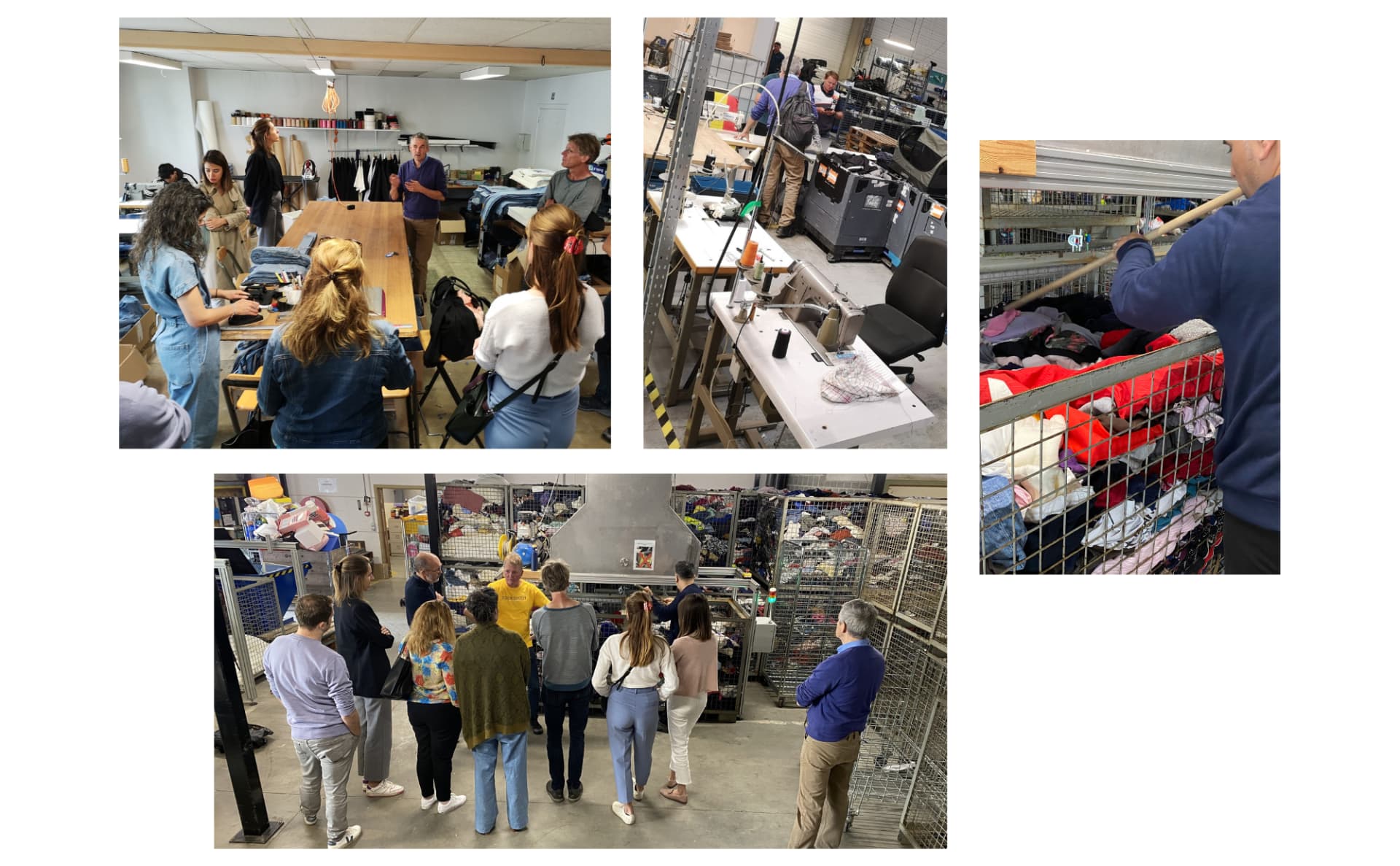
Twenty-five SME-led pilots crossed from lab bench to near-market operations under RegioGreenTex, the EU's three-year circular textiles accelerator, with EISMEA publishing final results on March 30. Coordinated by EURATEX across 43 partners from 11 European regions, the programme channelled at least 70 percent of its EU grant directly to small and medium enterprises, who proceeded to surpass every planned deliverable.
What makes it worth studying beyond the headline numbers is the architecture underneath. Four replicable mechanisms drove those results.
Shared hub infrastructure came first. RegioGreenTex developed five regional REhubs in line with the ReHubs Europe initiative, covering sorting, fibre recycling, contaminant removal, and conversion of recycled fibres into new textile materials. These hubs span clusters including Flanders, Hauts-de-France, Piedmont, Tuscany, Norte Portugal, North East Romania, and Cataluña. Rather than each SME financing its own processing line, the hubs pooled capacity, collapsing the capital barrier that consistently kills circular startups before they reach scale. One cross-border hub linking Flanders, Hauts-de-France, and East Netherlands demonstrated the shared-infrastructure model's viability across national boundaries, not just within them.
A digital ecosystem for matchmaking and capacity-building connected recyclers, converters, and investors on a shared platform, short-circuiting the fragmented cold-call process that typically stalls circular supply chains before a purchase order is written. That platform is now open, meaning brands and procurement leads can enter without waiting on a successor programme.
The SME-first grant design was equally deliberate. Routing 70 percent of public funding to smaller operators seeded genuine market diversity. Hilaturas Mar, working in partnership with Ubitech, demonstrated that recycled carbon fibres can be reused in high-performance fabrics, a concrete measure of what fibre-to-fibre processing looks like when it moves past the experimental stage.
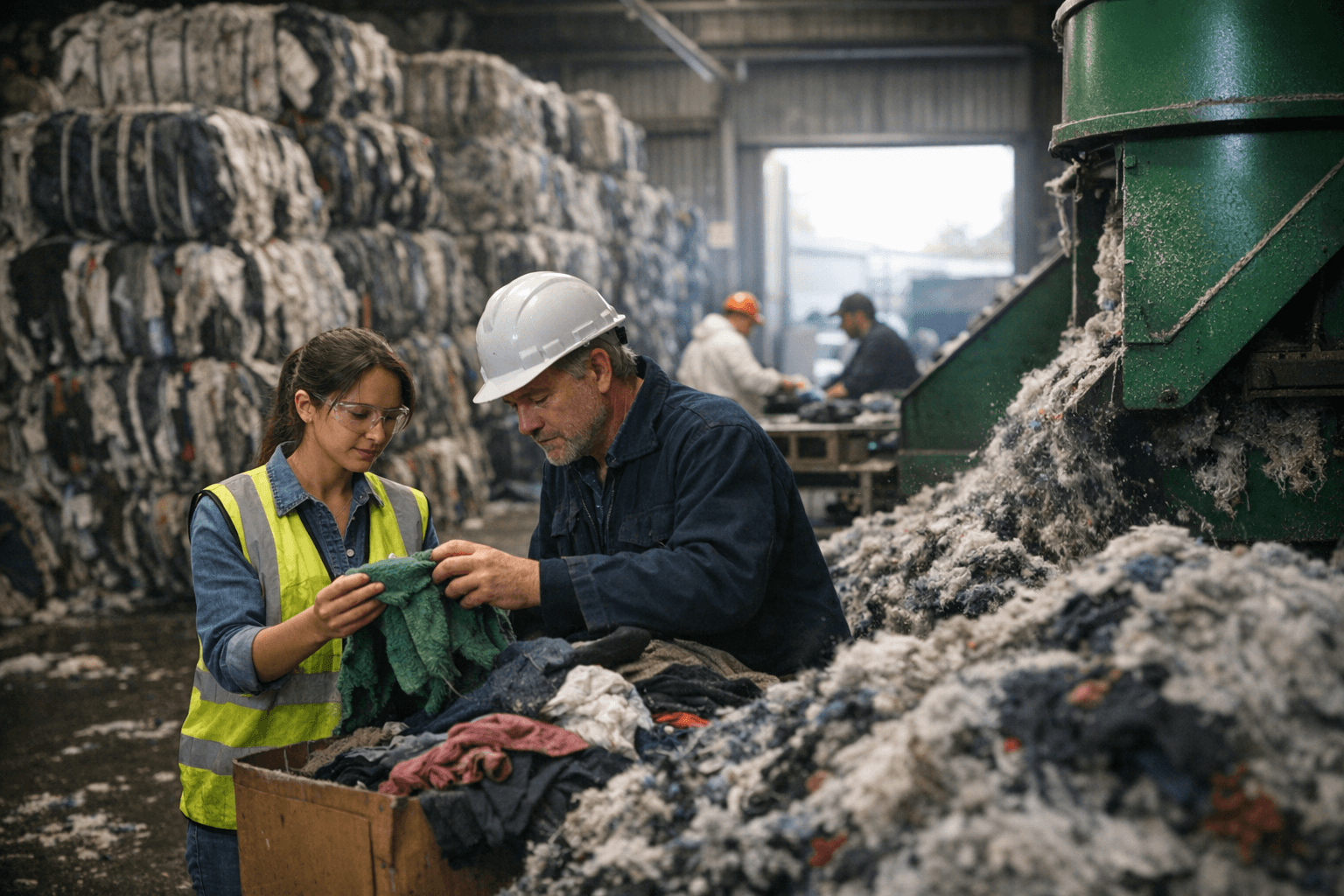
The final mechanism was a structured investor handoff. Most of the 25 pilots are expected to commercialise within one to three years, and EISMEA explicitly framed the portfolio as "primed for investors and adopters," signalling that public funding was always intended as a de-risking layer, not a permanent subsidy.
"RegioGreenTex will support our companies in making the transition towards a new sustainable business model," said Dirk Vantyghem, director general of EURATEX, whose organisation coordinated the project.
The closing event in Brussels drew nearly 100 participants from companies across Europe, policymakers, and representatives of the European Commission — a telling indicator of how far the programme moved from pilot theatre toward industrial credibility. Three years in, the five REhubs are open, the pilot portfolio is live, and RegioGreenTex has delivered what most EU textile initiatives only promise: something investible, handed to the market.
This article was produced by Prism’s automated news system from verified source data, official records, and press releases, then run through automated quality and moderation checks before publishing. The system is built and supervised by the people who set the standards it runs under. Read our full AI policy.
Did this article answer your question?