Practical Guide — How to build a genuinely sustainable wardrobe (buying, care, and longevity)
Doubling how often you wear each garment cuts your wardrobe's emissions by 44% - and a $120 quality piece costs half as much per wear as a $30 fast-fashion equivalent.
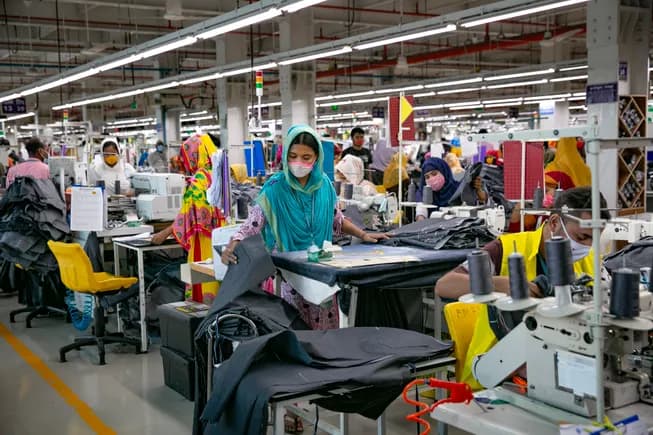
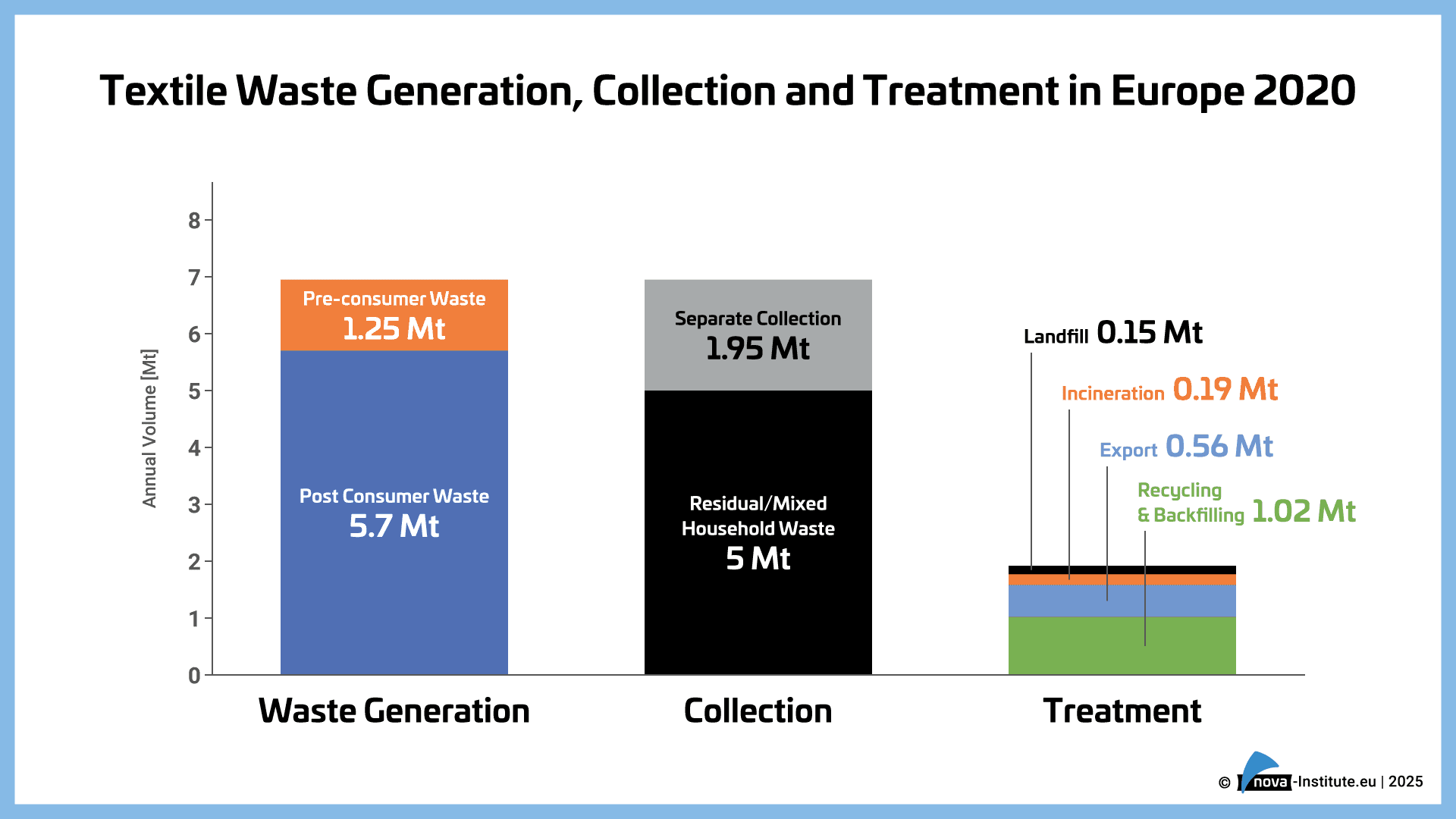
The numbers set the terms of the conversation before you even open your wardrobe. According to research by the Ellen MacArthur Foundation, the last 15 years have seen global clothing production double while the average number of times a garment is worn has fallen by 40%. The number of times we wear clothes before discarding them has fallen by 36%, and millions of tonnes of clothing now end up in landfill or incinerated each year. The corrective is not a complete wardrobe overhaul. It is a system: a set of buying filters, care habits, and end-of-life decisions that you can apply to every piece you already own and every purchase you consider from here.
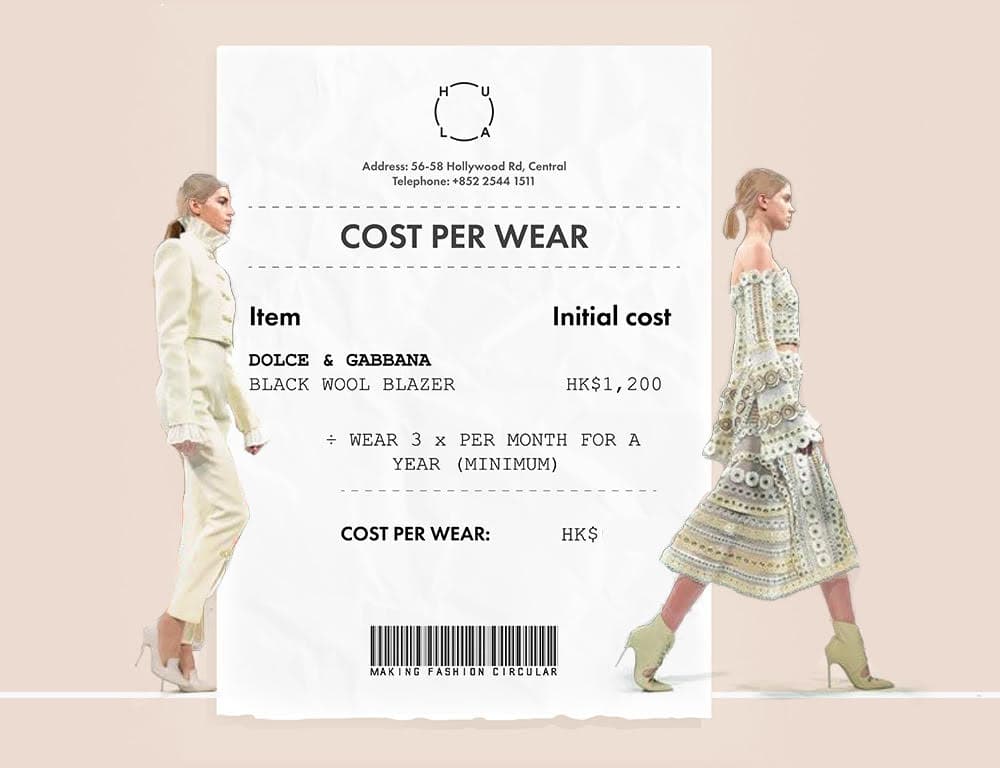
The Cost-Per-Wear Calculation
The most persuasive argument for buying better is arithmetic, not ideology. A $120 sustainable shirt can last 100-plus wears, costing $1.50 per wear, while a $30 fast-fashion equivalent lasts 10 to 15 wears, costing $3 per wear. The formula is simple: divide the purchase price by the realistic number of times you will wear the item. Anything that scores below $2 per wear on natural or certified recycled fibers is almost always the better long-term investment. Set a personal wear-count target before you buy. For a jacket or pair of trousers, aim for 100 wears minimum. For a printed seasonal top, be honest: if 30 wears feels optimistic, it probably is.
Buy for Durability and Repairability
Prioritize construction before aesthetics. Flatfelled seams, bar-tacked stress points, and natural horn or corozo buttons outlast their garment; cheap plastic fastenings and serged-only seams often do not. When researching a brand, look for an active repair program rather than a vague repair promise. According to WRAP research, for every five items repaired, four displace a new purchase, a displacement rate of 82.2%. That single metric reframes repair from sentimental habit to the most efficient form of sustainable purchasing available. Learn four basic mending skills, the running stitch, the ladder stitch, button reattachment, and a simple darning technique, and you will extend the working life of almost everything you own without spending anything.
Choose Material for the Job
Not all sustainable fibers perform equally in all contexts, and treating every natural fiber as inherently virtuous is one of the more persistent myths in the category. For everyday wear, naturally breathable cellulosics (Tencel, linen, modal) and wool regulate temperature, bio-degrade at end of life, and age well through repeated washing. Recycled polyester requires 59% less energy compared to virgin polyester, making certified recycled synthetics the pragmatic choice for activewear and outerwear where performance, stretch recovery, and wash durability are genuinely necessary. Avoid blends that combine natural and synthetic fibers in roughly equal proportions: a 50/50 cotton-polyester jersey is neither recyclable at end of life nor biodegradable. Where possible, choose mono-material constructions.
Slow the Flow: The One-In-One-Out Rule
The most effective consumption brake is also the most unglamorous: set a seasonal buy budget or enforce a strict one-in-one-out rule before anything new enters your wardrobe. Decide which item it replaces and arrange its resale or repair before you place the order. This is not austerity; it is editing. Prioritize timeless fits and a neutral or tightly considered palette so that pieces genuinely combine across your existing wardrobe rather than requiring new supporting purchases. A camel coat, a well-cut straight-leg trouser, a crisp white Oxford shirt, and a merino knit in a single accent color will rotate across more occasions than a wardrobe of trend-reactive pieces that each require their own ecosystem.
Care to Extend Life
How you launder determines how long a garment lasts as much as how it was made. Wash at 30°C or below for all but heavily soiled items: lower temperatures reduce fiber degradation and energy consumption simultaneously. Front-loading machines are significantly gentler on fabric structure than top-loaders with agitators, which pull and stress woven and knit constructions. Tumble drying is the single most damaging step in most garment care routines; air drying on a flat rack for knitwear, or on a hanger for wovens, adds measurable life to both the fiber and the construction. Reduce wash frequency where hygiene permits. Wool, linen, and denim in particular refresh easily between wears with airing, spot treatment, or a light steam.
Repair vs Replace: The Threshold
The repair threshold question is practical rather than sentimental. If the cost of a professional repair is less than 30% of the garment's current replacement value and you would realistically wear it another 30-plus times after the fix, repair wins every time. Repairing one cotton T-shirt instead of buying a brand new one saves over 7.5kg CO2e, equivalent to ironing for 25 hours. Buying a second-hand pair of jeans instead of buying a brand-new pair could save over 30kg CO2e, equivalent to making 600 cups of tea. When structural damage is too extensive for cost-effective repair, resale or takeback schemes come next. Only at the point where the item has no resale value and no fiber-to-fiber recycling route does landfill become the only option, and a well-built garment should rarely reach that point within a decade.
Use Resale and Repair Networks
Platforms including Depop, eBay, and Vestiaire Collective have moved well beyond vintage novelty into mainstream wardrobe strategy. The UK in 2024 was the fourth highest consumer of clothing of any nation, after the USA, China, and India, which means the resale pool is deep and the displacement effect is real. For every five preloved items bought, three displace a new purchase, a displacement rate of 64.6%. Beyond resale platforms, dedicated repair services such as The Seam and SOJO, alongside in-house programs at brands like Finisterre, give you a repair supply chain that requires no needlework skills. Ask every brand you buy from whether they offer a takeback or end-of-life service. Those that do are systematically designing for circularity; those that do not are telling you something important about their priorities.
Label Translation: Spotting Greenwashing Fast
The terminology on sustainable fashion hangtags has become so saturated that it functions almost as noise. Here is a working translation of what the credible certifications actually verify:
- GOTS (Global Organic Textile Standard): Ensures organic fibers plus strict environmental and fair labor criteria throughout the supply chain. The most comprehensive whole-chain standard for natural fibers. Verify the license number on the GOTS public database.
- GRS (Global Recycled Standard): Verifies recycled content and includes standards for both traceability and ethical factory practices. Essential for recycled polyester and nylon claims. Without GRS, a recycled-content claim is unverifiable.
- OEKO-TEX Standard 100: The Standard 100 is the certification most likely to appear at consumer level. It verifies that a product sample has been tested and found free of a long list of harmful substances. It covers chemical safety in the finished garment but does not verify supply-chain labor conditions or environmental processes beyond toxicity.
- Bluesign: The Bluesign label is given to textile manufacturers working on safe chemistry practices. It takes into consideration everything from water waste and dye toxicity to worker and consumer safety. Crucially, Bluesign audits the factory's inputs rather than testing the finished shirt, so toxic chemicals are eliminated before production begins.
Words like "eco," "conscious," "planet-friendly," and "green" carry no regulatory weight and require no third-party verification. As demand for responsible clothing grows, so does the temptation to fake it. Some companies tweak their packaging, highlight a single eco-material, or create limited green collections to distract from the bulk of their unsustainable operations. Others use generic phrases like "planet-friendly" without offering a single piece of data to back it up. The ask is simple: demand product-level data. A Life Cycle Assessment summary, a Digital Material Statement, or a Digital Product Passport are the formats where real transparency lives.
Digital Product Passports and What to Demand Now
The EU is making Digital Product Passports mandatory for textiles, with textile-specific implementation expected from 2028 onward. A Digital Product Passport works by connecting a physical product to a digital record that stores verified supply chain data. Each product is assigned a unique digital identity, usually accessed through a QR code or NFC tag on the garment. When scanned, the passport displays structured information such as materials, care instructions, supply chain stages, and sustainability data. Forward-looking brands are already implementing QR-linked product records voluntarily. When a brand cannot give you fiber origin, supplier certifications, or any LCA-level data on request, that silence is itself a data point.
Track Your Footprint
If measurable progress motivates you, aggregate wardrobe tracking tools now allow you to log purchases, estimated wear counts, and fiber types to generate an approximate CO2 and water footprint for your wardrobe as a whole. The target is not zero; it is directional improvement, year on year, through fewer purchases, longer garment life, and a higher share of certified or secondhand acquisitions. Extending the life of a clothing item by only an extra nine months has the potential to reduce its carbon, water, and waste footprint by around 20 to 30%.
The sustainable wardrobe is not a capsule aesthetic or a certification checklist. It is a set of decisions made at the point of purchase, at the washing machine, at the repair bench, and at the point of disposal, each one compounding the last. The brands doing this well are building repair infrastructure and product-level transparency into their offer. The most powerful signal you can send is to reward them for it with your repeat business rather than your first purchase.
This article was produced by Prism’s automated news system from verified source data, official records, and press releases, then run through automated quality and moderation checks before publishing. The system is built and supervised by the people who set the standards it runs under. Read our full AI policy.
Did this article answer your question?