Fairtrade tightens textile standard, boosting brand accountability and worker protections
Fairtrade's new textile rule will make brands prove due diligence at tier 1 factories, with audit access, subcontractor checks and fair contracts.
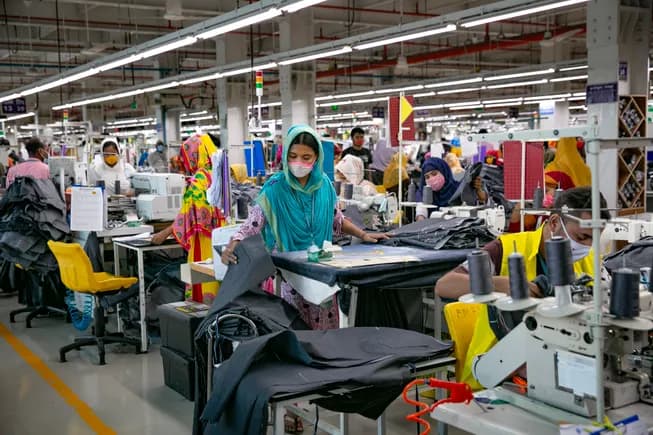
Fairtrade is tightening the screws on textile brands with a revised factory standard that shifts accountability from soft promises to auditable obligations. The new rulebook, approved by Fairtrade’s Standards Committee in May and July 2025 and set to apply on 1 September 2026, narrows the standard to tier 1 facilities even as it asks more of brands on due diligence, worker protections and fair trading terms.
That narrowing matters. Fairtrade’s Textile Standard has long been pitched as a mechanism for change in the factory stage of the supply chain, where garments are cut, sewn and finished and where compliance can be checked most directly. The revised version keeps that focus but sharpens the mechanics: brands are expected to commit to fair, reliable and predictable contract arrangements through license contracts, while factories must open themselves to audit access and transparency. Subcontractors must be registered and agree to audits, closing off the kind of hidden work that so often weakens enforcement once production starts to fragment.
The standard’s criteria go beyond paperwork. Labour conditions, wages and working hours, occupational health and safety, traceability, product composition and brand-owner obligations all sit inside the framework. Fairtrade says the update is meant to strengthen workers’ position, firmly establish human rights and environmental due diligence requirements, and make brands more accountable, while also making the standard practical enough for more companies to use. That balance is the crux of the change: tougher compliance, but with a system that brands can actually navigate.
The timing also places textiles inside a broader Fairtrade overhaul. Similar due-diligence additions to the Trader and Hired Labour Standards began phasing in in January 2025 and are due to be fully implemented by January 2027. In other words, the textile revision is not a one-off gesture. It is part of a wider attempt to turn Fairtrade from a label into a legalistic operating system for supply chains.
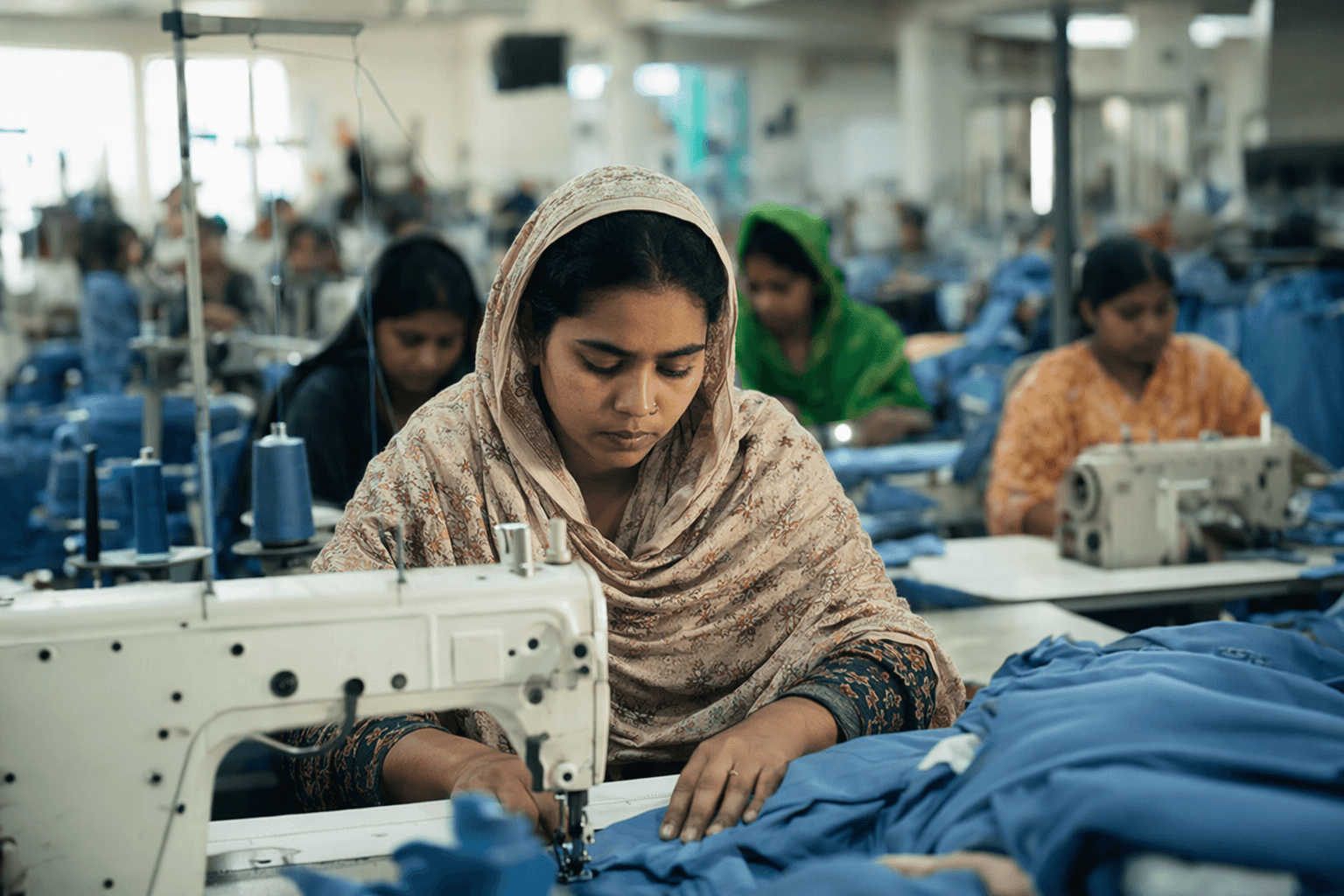
The living-wage promise remains ambitious. Fairtrade has previously said certified companies must implement a living wage within six years, and the textile standard, introduced in 2016, was built to push that pressure through the factory gate. Yet the move to tier 1 also defines the limits of the overhaul. It makes compliance easier to inspect where brands already have direct leverage, but it does not by itself solve every upstream loophole.
That is why Brands Fashion matters as a proof point. A UN Global Compact case study says it became the first company in the world to certify all stages of a supply chain under the Fairtrade Textile Standard, from ginning and spinning to garment manufacturing. The revision may narrow the spotlight to tier 1, but it also leaves Fairtrade asking a harder question of the industry: whether brands will use the standard as a ceiling, or treat it as the bare minimum.
This article was produced by Prism’s automated news system from verified source data, official records, and press releases, then run through automated quality and moderation checks before publishing. The system is built and supervised by the people who set the standards it runs under. Read our full AI policy.
Did this article answer your question?