Fashion Brands Recast Sustainability as Wellness, Focus on Natural Fibres
Sustainability is losing its shine, and brands are selling cleaner fibres, milder chemistry, and skin-level comfort instead.
Why the word “wellness” is beating “sustainable”
The fashion pitch is getting more personal. Instead of asking shoppers to buy a vague promise about the planet, brands are selling clothes that feel gentler on skin, rely on natural fibres, and sidestep harsh chemicals. That shift is not cosmetic; it is a response to a market that has heard the word “sustainable” so many times it barely lands anymore.
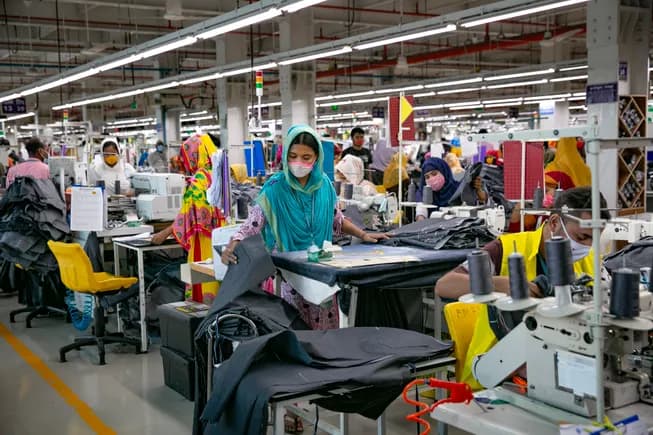
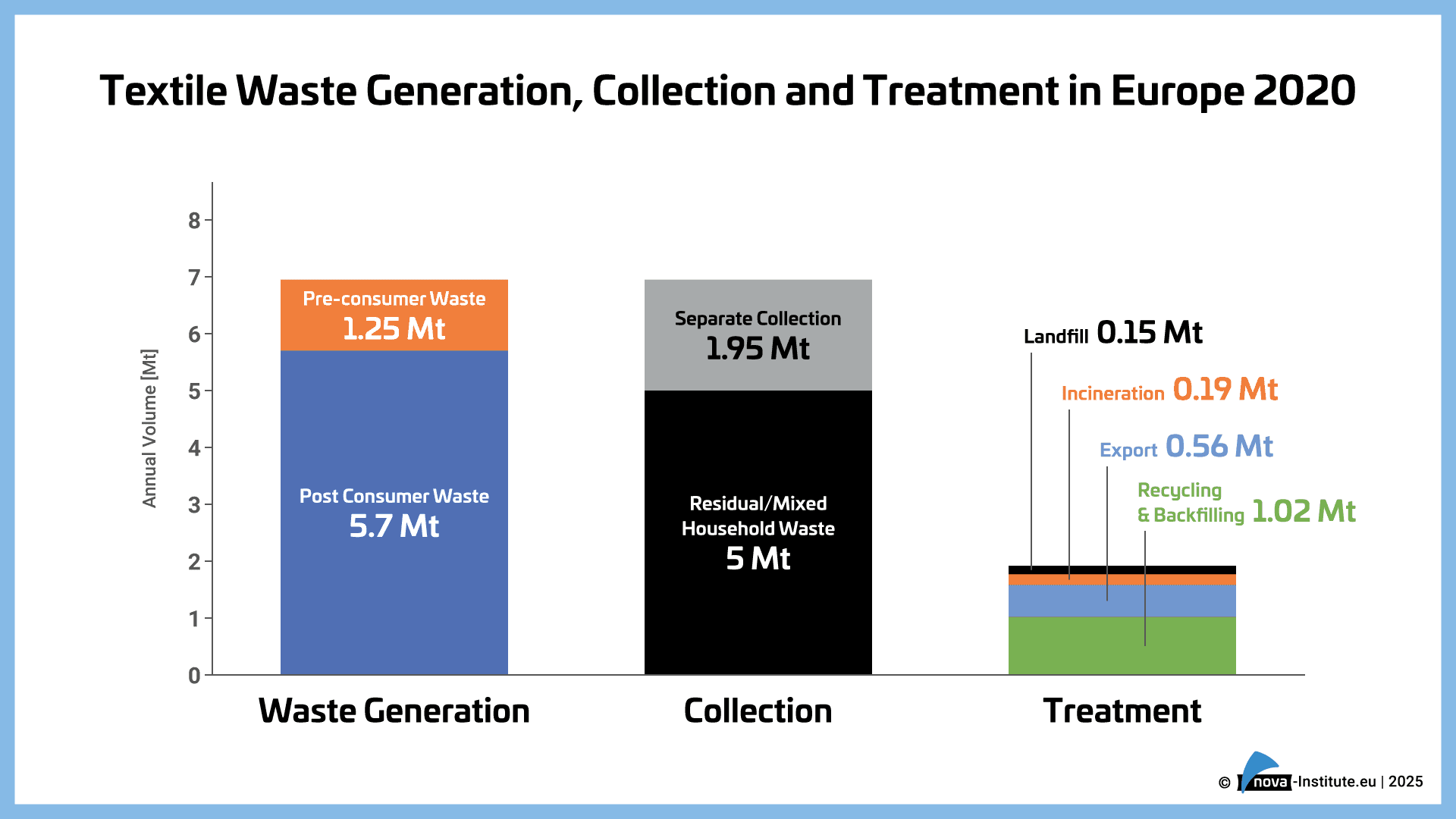
The timing makes sense. The textile business still carries a brutal environmental load: the United Nations Environment Programme says it accounts for 2 to 8 per cent of global greenhouse gas emissions and uses the equivalent of 86 million Olympic-sized swimming pools of water every year. UN Climate Change says fashion produces about 20 per cent of global wastewater, and 85 per cent of textiles end up in landfills or incinerated. In that context, wellness language is not fluff. It is a way to translate a distant ecological crisis into something shoppers can understand the minute they touch a garment.
What the wellness rebrand is really selling
The new story is less about heroic eco-messaging and more about product proof. A sweater is no longer just “responsible”; it is soft, breathable, and made with fibres that sound easier to trust. A shirt is marketed as friendlier to sensitive skin. A dress is framed as free from the chemical overhang that makes people second-guess what is actually against their body for ten hours at a time.
That is smart merchandising, and a little cynical too. Wellness is tactile. You can feel the difference in a brushed cotton poplin, a clean-finish jersey, or a linen piece that wears lightly in heat. Sustainability used to ask for faith. Wellness asks for a body-level reaction: less itch, less worry, less mystery.
But the move also reveals consumer fatigue. Shoppers have been trained to look for virtue labels, then burned by vague claims that were impossible to test. The wellness frame gives brands a narrower lane and, at least in theory, a lower greenwashing risk because it can be tied to concrete product attributes rather than sprawling moral language.
Why the industry had to change the pitch
The old sustainability language got too foggy for its own good. Brands used it for everything from recycled trims to token capsule collections, and the result was a lot of noise with not enough evidence. If a product is not truly traceable, durable, or materially better, “sustainable” starts sounding like decoration.
That is why the new message leans on things customers can actually understand: natural fibres, fewer chemicals, and cleaner feel. The reference point is not a manifesto; it is the hanger in front of you. This is a merchandising strategy as much as a values shift. It gives sales staff a tighter story, gives marketers a more immediate hook, and gives consumers an easier reason to choose one garment over another.
The risk is obvious. Wellness can become the next empty word if brands use it as perfume on top of the same old production model. “Natural” does not automatically mean low impact, and “clean” means very little without specifics on fibre, finish, and supply chain. The language only works if the product work is real.
The chemical problem is not abstract
The pressure to talk about chemistry more directly is coming from hard numbers. UNEP says more than 15,000 chemicals, some hazardous, are used in textile manufacturing. That is not a niche technical issue. It is a garment design issue, a dye-house issue, and a consumer trust issue.
Once you start looking at clothing through that lens, the wellness reframing makes even more sense. A brand that wants to claim skin comfort or lower exposure has to think upstream: finishes, dyes, treatments, and the chemistry that hangs on a fabric long after it leaves the factory. If the industry wants shoppers to believe in safer clothes, product development has to get more disciplined about inputs, not just prettier about outputs.
That is also where regulation starts to matter. UNEP has pushed for governments to regulate what goes into garments, and that kind of pressure is exactly what can turn a marketing trend into a manufacturing standard. If the bar rises on safe inputs, the wellness story stops being a vibe and becomes a compliance baseline.
The real fix is still less stuff
For all the attention on fibres and finishes, the smartest voices around the sector keep circling back to a stubborn truth: the most effective change is not only better materials, it is fewer clothes, more durability, and less overconsumption. A better T-shirt is good. Buying three instead of twelve is better.
That is where circularity comes in. UN agencies and industry groups keep pushing it because it keeps value in play for longer: clothes repaired, resold, remade, and worn hard before they are discarded. The Ellen MacArthur Foundation argues the current linear fashion system is economically fragile, and that circularity protects value by keeping clothes in use longer. That is not just an environmental argument. It is a business model argument.
The Fashion Industry Charter for Climate Action makes that plain. Its target is net-zero emissions no later than 2050, with an earlier goal of 30 per cent aggregate greenhouse gas reductions across scope 1, 2, and 3 by 2030. Those are the kinds of targets that force brands to look beyond seasonal storytelling and into the mechanics of how they source, make, move, and sell product.
What to watch on the rack
If brands are serious, the wellness turn should change what arrives in stores, not just what appears in campaigns.
- More natural fibres, but paired with transparent fibre content and processing details.
- Cleaner chemistry claims that are specific, not mystical.
- Pieces built to last, with seams, weight, and finish that justify the premium.
- Softer language around skin sensitivity and comfort, backed by material choices instead of hype.
- Fewer throwaway fashion cycles, because overproduction is still the ugliest part of the business.
The best version of this shift is practical, not preachy. It gives consumers a reason to care that starts at the skin and ends at the system. And if brands are finally learning that “wellness” sells better than “sustainability,” the next test is whether they can make that promise mean something once the garment is washed, worn, and dragged through real life.
This article was produced by Prism’s automated news system from verified source data, official records, and press releases, then run through automated quality and moderation checks before publishing. The system is built and supervised by the people who set the standards it runs under. Read our full AI policy.
Did this article answer your question?