Fashion for Good targets textile recycling bottleneck with Project FAE launch
Fashion for Good is betting on the least glamorous step in recycling: sorting dirty, mixed post-consumer textiles into feedstock recyclers can use.

Fashion for Good is chasing the messy middle of textile circularity, where recycling usually falters long before a fibre ever reaches a machine. Its new Project FAE, launched in Amsterdam on April 9, 2026, sets out to turn non-rewearable post-consumer textiles into reliable feedstock for textile-to-textile recycling, with Adidas as lead sponsor and BESTSELLER and Inditex among the brand partners.
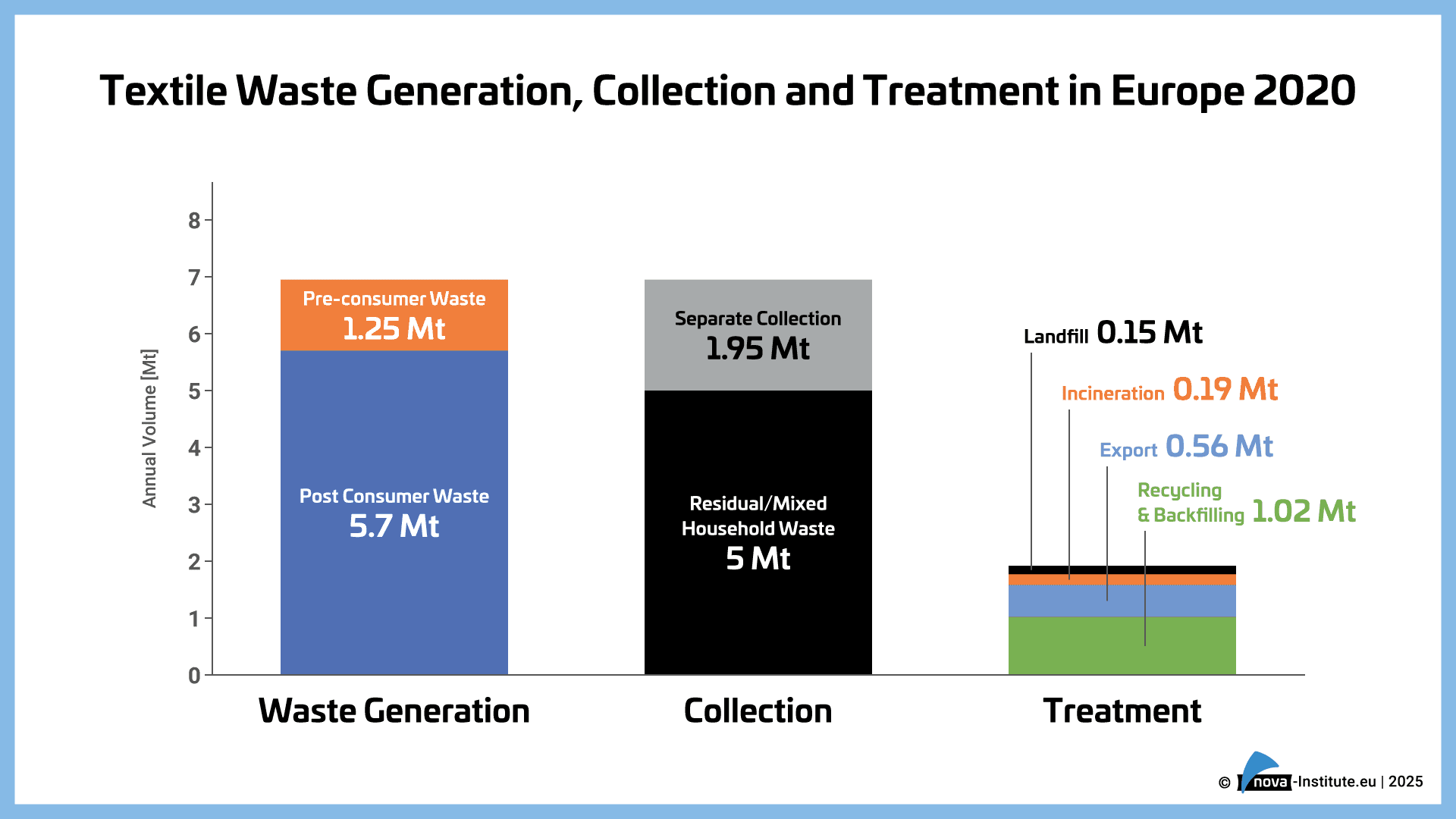
The premise is blunt and overdue. Fashion for Good says the sector already has much of the technology it needs, but not the upstream system to feed it: sorting lines, pre-processing steps and supply chains that can deliver material at the right price, in the right quantity and with the right quality. Right now, post-consumer clothing is often too mixed, contaminated and inconsistent for industrial use, while most European recyclers still lean on cleaner, more uniform post-industrial waste. The result is a circularity story that sounds elegant in a showroom and gets stuck in the bin room.
Project FAE, short for Feedstock Activation Europe, splits that problem into two practical tasks. One strand will test the commercial and technical viability of advanced pre-processing methods such as fibre blend separation, elastane removal and contaminant extraction. The other will build a framework for regional hubs that can aggregate used textiles, automate sorting and create tailored feedstock streams for specific recyclers. Katrin Ley, managing director at Fashion for Good, put it plainly: "the industry has talked about textile circularity for years, but the real blocker is the unglamorous upstream system needed before a single fibre can be recycled."
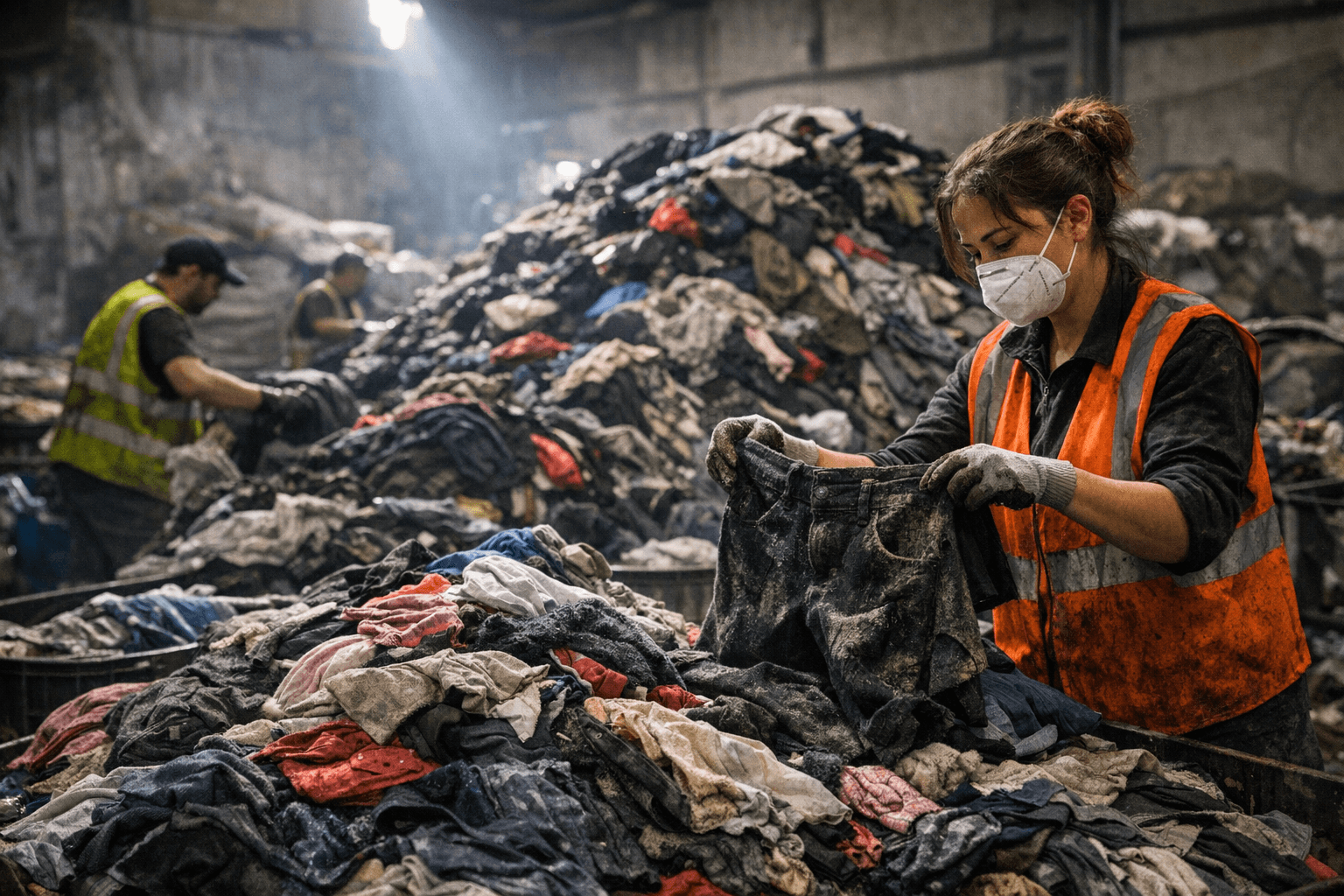
That upstream system matters because the volume is there, even if the quality is not yet. Fashion for Good’s earlier Sorting for Circularity Europe project, completed in September 2022, analysed 21 tonnes of post-consumer garments from Belgium, Germany, the Netherlands, Poland, Spain and the United Kingdom. It found that 74% of low-value post-consumer textiles, about 494,000 tonnes a year, were suitable for fibre-to-fibre recycling, with a potential annual value of €74 million if reintroduced into the textile supply chain.
The timing is sharp. The revised EU Waste Framework Directive, which introduces common rules for textile extended producer responsibility, entered into force on October 16, 2025, and EPR schemes must be operational by April 2028. That gives brands a hard deadline and a financial reason to back sorting infrastructure now, before new recycling capacity comes online and collides with the same old feedstock problem. With secondhand export markets contracting under lower-quality material, tighter trade restrictions and weak demand in destination countries, the industry is running out of places to send its castoffs. Project FAE is trying to keep those castoffs in Europe, cleaned up, sorted and ready for a second life.
This article was produced by Prism’s automated news system from verified source data, official records, and press releases, then run through automated quality and moderation checks before publishing. The system is built and supervised by the people who set the standards it runs under. Read our full AI policy.
Did this article answer your question?