Fordham's Clothing Exchange Tracks Fabric Data to Measure Real Sustainability Impact
Fordham's Gabelli School will log every fabric type at its April 28 clothing swap, turning a pop-up shop into sustainability data with academic potential.
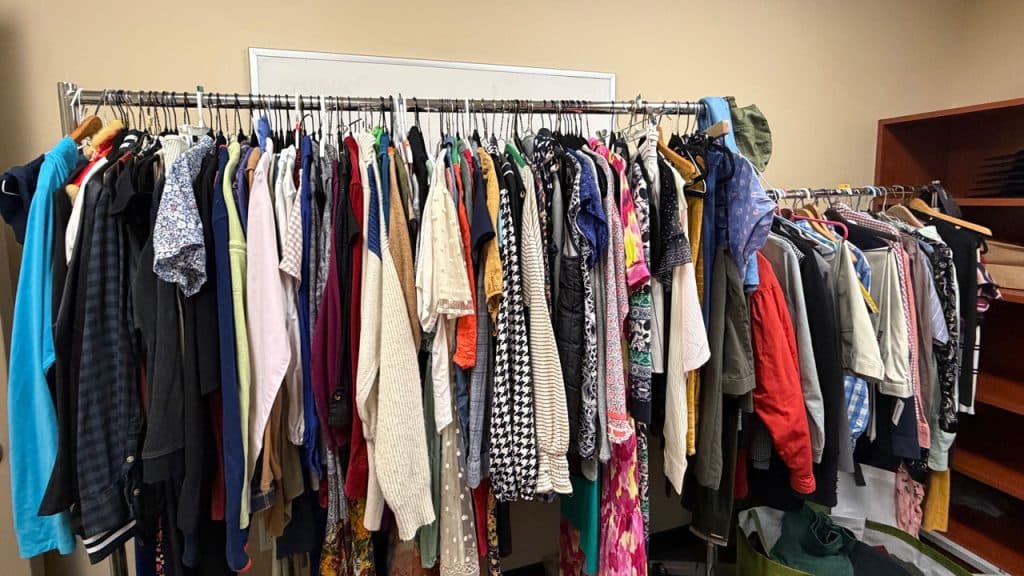
Most campus clothing swaps measure success by the size of the donation pile. Fordham's Gabelli School of Business is measuring by fiber content.
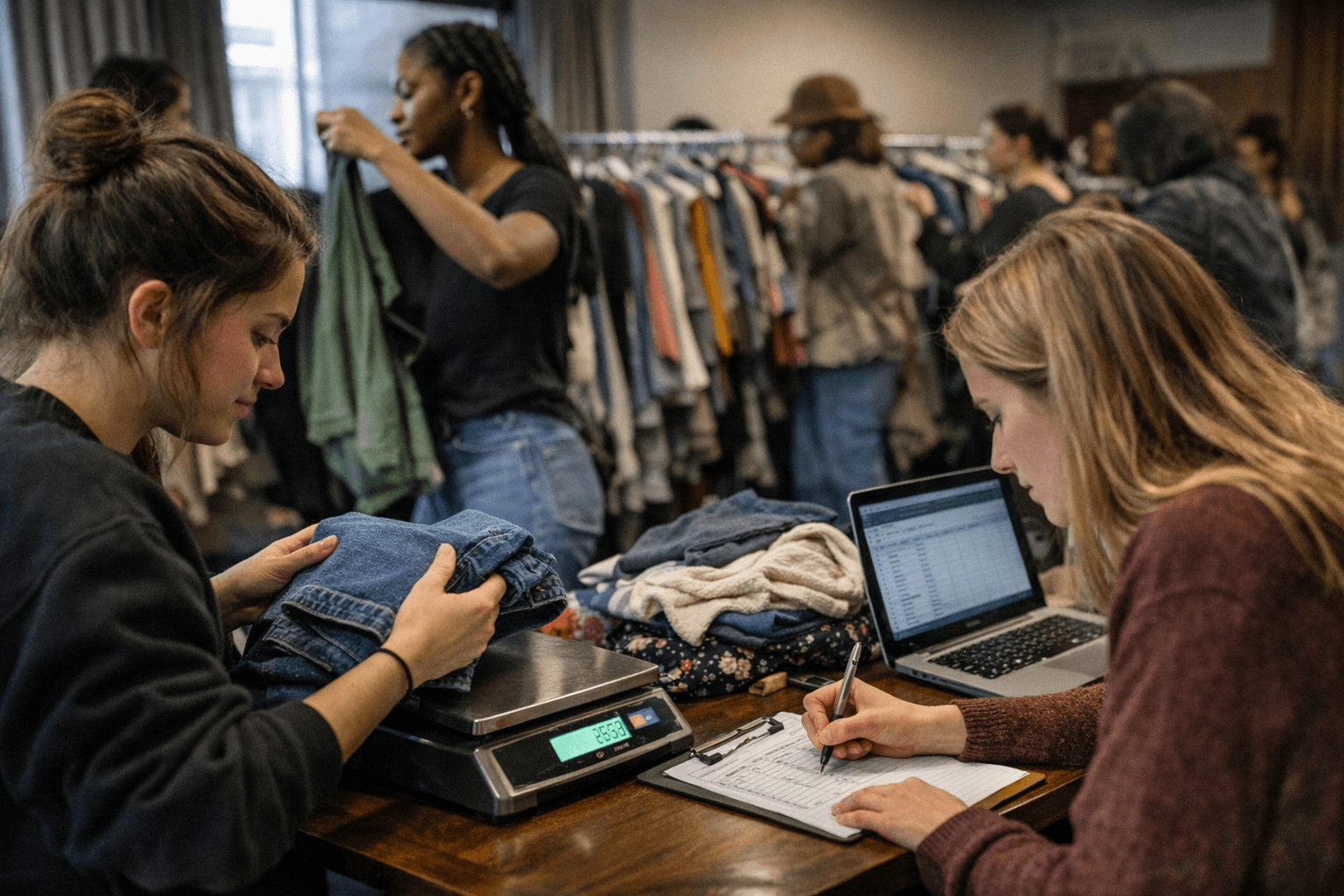
The Responsible Business Center, which organizes the school's annual Sustainable Clothing Drive, will catalog the specific material composition of donated garments when the 2026 Pop Up Shop opens April 28 through 30: viscose, silk, cotton, logged and recorded. The goal is to move beyond feel-good metrics and toward a quantifiable record of what the exchange actually diverts from the waste stream, with the potential to feed future impact reports or academic research.
The methodology has teeth because fiber type changes the calculation meaningfully. Viscose, derived from wood pulp but dependent on water-intensive chemical processing, carries a different environmental footprint from cotton, which is natural-fiber but notoriously resource-heavy at the agricultural stage. Silk occupies a third category entirely. Tracking the mix of what passes through a single campus swap does not produce a vague feel-good number; it produces data with a specific enough shape to be useful.
The swap's structure is designed to maximize participation and minimize waste. Students who donate before the deadline receive vouchers granting early access to the collection, ahead of general public shopping. Any pieces still unclaimed on the final day are made available for free, ensuring nothing donated ends up discarded by the event itself. For Gabelli students in the middle of spring recruiting cycles, the timing is pointed: the April window lands squarely in interview season, making a well-fitted blazer or a structured trouser a practical prize, not just an ethical one.
Evaluating secondhand professional pieces quickly is a learnable skill. Start with the fiber tag: natural fibers like cotton and silk press well, breathe better under interview conditions, and signal construction quality to anyone sitting across a conference table. Then flip the garment inside out. Flat-felled or bound interior seams indicate a piece built to last; raw edges suggest a lower price point at original manufacture. A lining in a blazer or structured dress tells you more about how the piece was cared for than the exterior will, and a collar that holds its shape with no pilling at the edges is a reliable indicator of low mileage.
Housed inside a business school rather than a sustainability office, the RBC's Clothing Drive carries a different pitch than most campus textile initiatives. The argument is not altruism but arithmetic: a silk blouse donated by a graduating senior has recoverable value, and capturing it means both one fewer garment in the waste stream and one less expense for the student who receives it. The Spring 2025 edition established the April cadence; the 2026 version adds the data layer that gives that argument something to stand on.
This article was produced by Prism’s automated news system from verified source data, official records, and press releases, then run through automated quality and moderation checks before publishing. The system is built and supervised by the people who set the standards it runs under. Read our full AI policy.
Did this article answer your question?