Global brands still pay less for cotton T-shirts than 25 years ago
Global brands are still buying cotton T-shirts for about half what they paid 25 years ago, squeezing Bangladeshi factories and the women who keep them running.

Brands have turned the basic cotton T-shirt into a lesson in power. Public Eye and Clean Clothes Campaign say many buyers now source one for about $2 to $3 a piece, with some unit prices below $1, and that, after inflation, the same shirt costs about half what it did 25 years ago. The result is not efficiency. It is wage suppression in Dhaka, pressure on factory floors in Savar, and a sustainability story that looks thinner every season.
The numbers are blunt. Public Eye says the average EU import price for a cotton T-shirt in 2025 was $2.67, while the average import price for a T-shirt from Bangladesh was lower, at $2.06. Bangladesh makes 61 percent of the cotton T-shirts imported into the European Union, which means the price benchmark shaping Europe’s biggest closets is being set, in large part, by one of the world’s most squeezed garment sectors. The report looked at the six highest-volume buyers of cotton T-shirts from Bangladesh over the past five years, including Inditex, Primark and H&M, and says none of them lifted sourcing prices enough to keep pace with global inflation.
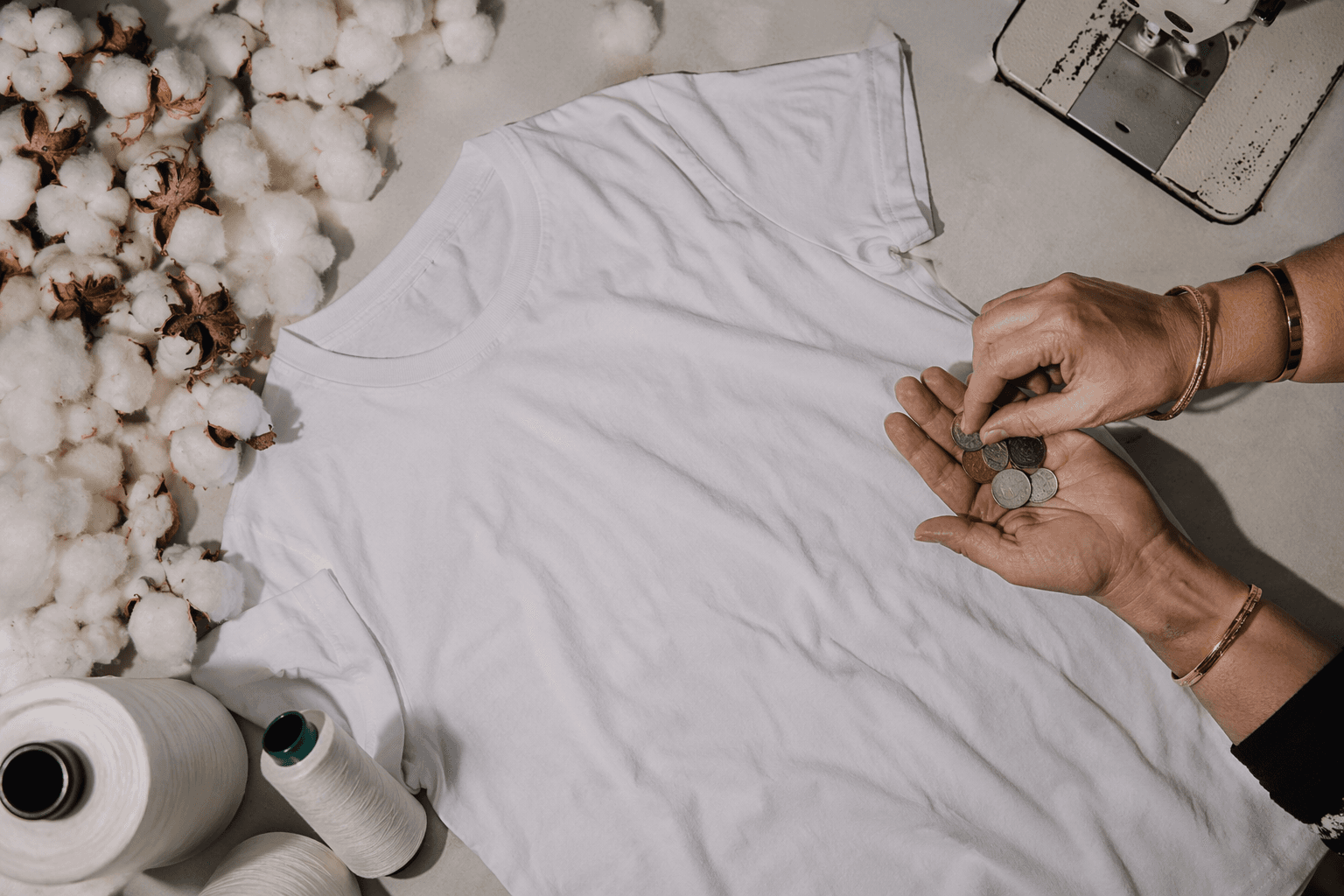
That gap matters because the low end of the market leaves almost no room for anything else. Even higher-paying brands rarely source from Bangladesh above $18 per kilogram, about $3 per piece, while discounters and business-to-business companies often sit at $10 per kilogram and below. When the purchase price is pinned that low, supplier margins get crushed first, then wages, then safety, then any serious effort to invest in cleaner production or better compliance. David Hachfeld of Public Eye says the model locks in poverty wages and makes a just, sustainable fashion system impossible.
Bangladesh pays the price for that imbalance in full view. The country is the world’s second-largest garment exporter after China, the sector brings in more than 80 percent of export earnings, and it employs more than four million workers, most of them women. Those workers have already lived through the post-Rana Plaza safety reforms, but the pricing system has kept the old stress points alive: excessive overtime, thin staffing, and workplaces that are forced to do more with less. In November 2023, after protests and a police crackdown, the government set a revised monthly minimum wage of 12,500 taka, or about $113, still far below the 23,000 taka unions demanded and well under living-wage estimates from the Bangladesh Institute of Labour Studies and the Asia Floor Wage Alliance.
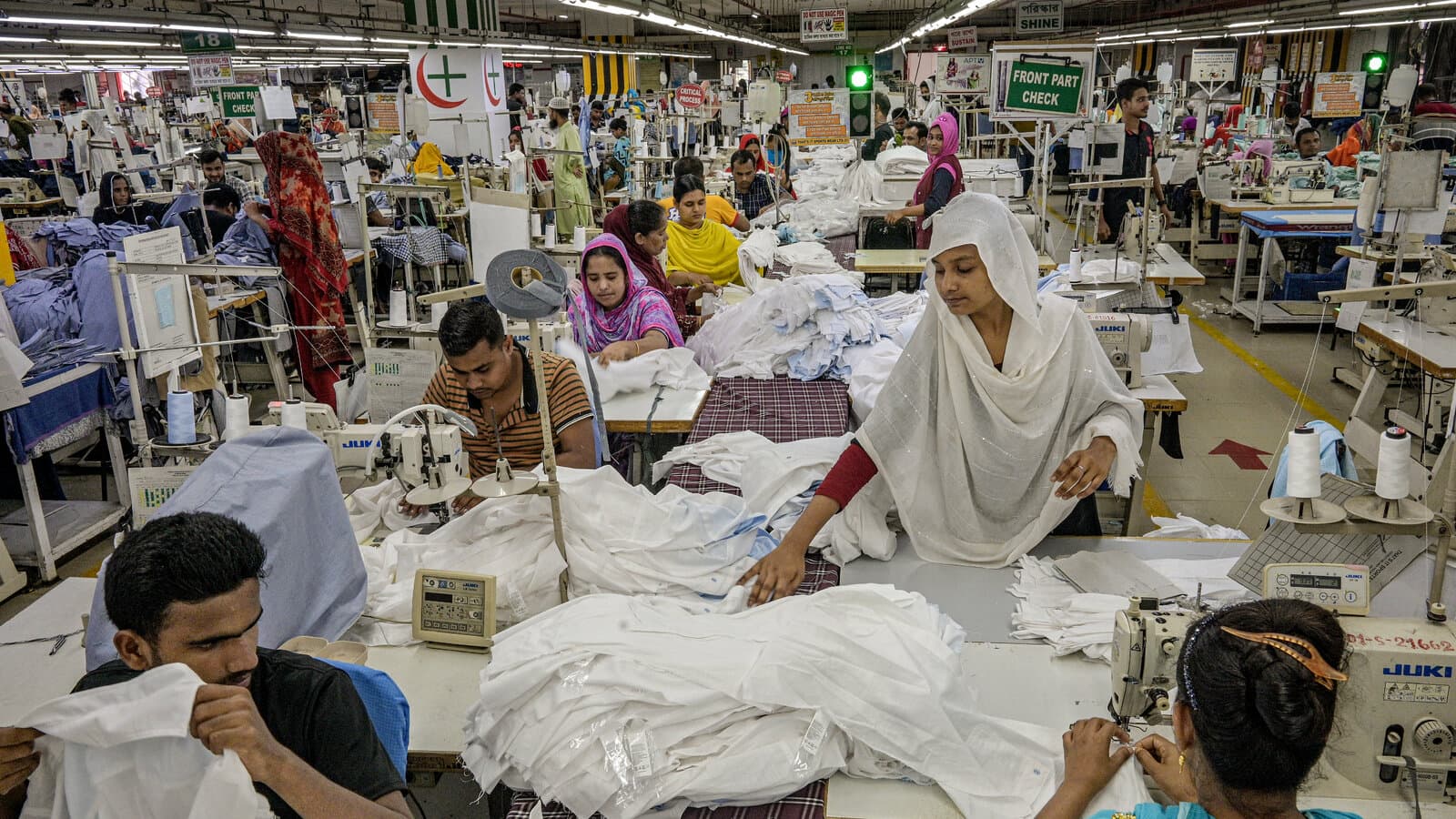
Kalpona Akter of the Bangladesh Garment and Industrial Workers Federation says fashion brands’ downward pricing policy sustains poverty wages, and the report’s answer is as practical as the problem is harsh: move from top-down cost cutting to a bottom-up model that covers real production costs, living wages and decent working conditions. Until brands pay enough for the shirt, the ethical claims around it remain stitched over the same old squeeze.
This article was produced by Prism’s automated news system from verified source data, official records, and press releases, then run through automated quality and moderation checks before publishing. The system is built and supervised by the people who set the standards it runs under. Read our full AI policy.
Know something we missed? Have a correction or additional information?
Submit a Tip