IBU expands fair pay marketplace for women artisans worldwide
IBU is widening a wholesale model that gives women artisans steadier pay, from Charleston’s King Street to maker groups in more than 40 countries.

IBU is trying to make artisan fashion pay like a real business, not a feel-good accessory. From its King Street boutique in Charleston, the marketplace sells clothing, jewelry, home goods and gifts made by women in Kenya, Uzbekistan, Colombia and Peru, with a wholesale structure designed to turn traditional handwork into steadier income instead of one-off charity shopping.
That structure matters because IBU is not just trading on pretty stitching and the romance of the handmade. Susan Hull Walker founded the company in 2013 after years of textile training and a growing interest in women’s traditional craft, and the brand still leans hard on that origin story. IBU says the word “ibu” means “woman of respect” in Indonesian, and that idea sits at the center of the model: money in women’s hands, craft traditions preserved, dignity built into the transaction.
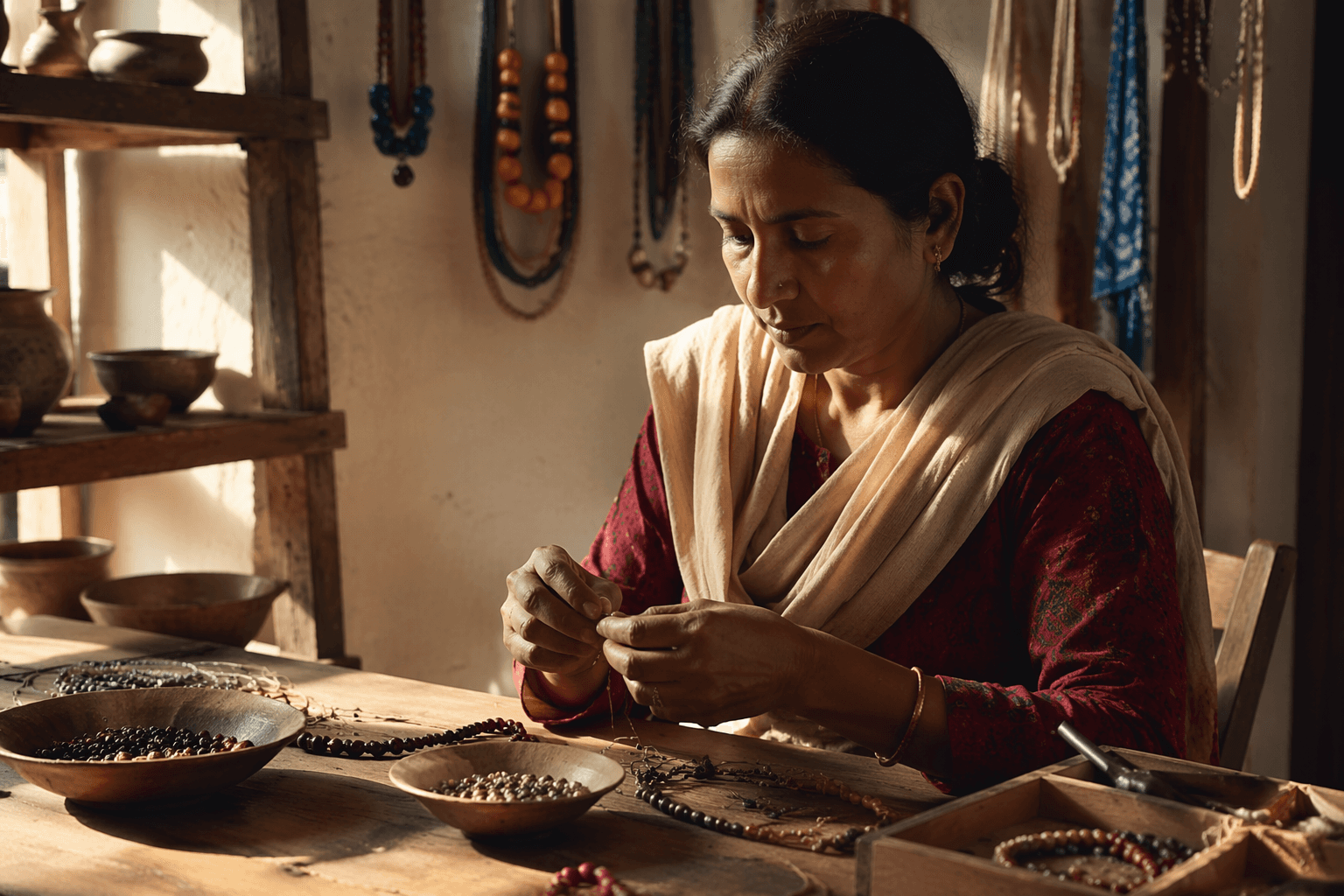
The mechanics are where it gets interesting. IBU says its work rests on four pillars, marketplace, capacity building, education and artist engagement. That gives the brand a stronger spine than the usual fair-trade retail set-up, because the artisans are not being treated as anonymous suppliers in the background. In May 2026, IBU Movement launched Ibu Atelier, an artisan incubator backed by Bank of America for 10 artisan leaders, with deeper training in design, production, marketing and sales. That is the kind of intervention that can actually shift control, because it moves women makers closer to the levers that shape value, not just the labor that creates it.
The network has also grown fast enough to show real commercial reach. IBU now says it works with women artisans in more than 40 countries and more than 100 women’s groups, up from earlier materials that cited 34 countries and 71 cooperatives. That expansion suggests a marketplace that is trying to scale without flattening the differences between beadwork, weaving and other regional techniques into a single global aesthetic. The company has also said it wants to double artisan access to its marketplace as the ethical fashion market heads toward more than $11 billion by 2030.
The pressure test came during Covid-19, when IBU said it delivered $36,000 in emergency relief to artisan partners, including mask supplies, salaries, food and water support across several countries. That kind of backstop is what separates a branding exercise from an operational relationship. IBU’s travel and in-person exchange programs, which bring artisans to Charleston and take supporters abroad, add another layer, building direct cultural and commercial ties that can keep the buyer from becoming detached from the maker. In a market crowded with conscience-washed storytelling, IBU is betting that the real luxury is leverage.
This article was produced by Prism’s automated news system from verified source data, official records, and press releases, then run through automated quality and moderation checks before publishing. The system is built and supervised by the people who set the standards it runs under. Read our full AI policy.
Know something we missed? Have a correction or additional information?
Submit a Tip