Global Fashion Summit spotlights circularity, but workers stay sidelined
Copenhagen turned circularity into a business case, but the people handling discarded clothes were barely in the room.
At Global Fashion Summit, sustainability got a sharper suit and a harder sell. The mood in Copenhagen was less about lofty ethics than operational muscle, with brands and executives talking up circularity, reverse logistics and supply-chain resilience while the people expected to absorb the mess stayed on the edge of the frame.
The summit ran May 5 to 7 at Copenhagen Concert Hall and brought together more than 1,000 stakeholders, from brands and retailers to NGOs, policymakers, manufacturers, innovators and adjacent industries, under the theme Building Resilient Futures. Global Fashion Agenda, which launched the event in 2009 as a COP15 side event, has spent years positioning it as fashion’s leading sustainability forum. This edition felt more pragmatic and more transactional, with the industry treating sustainability as a competency that protects margins, not just a moral pose.
WWD captured that shift through Leyla Ertur, head of sustainability at H&M Group, who said there is “great commercial value” in investing in the reverse supply chain. That line tells you everything about where the conversation has landed. Circular systems are no longer being framed only as climate repair; they are being sold as a way to make fashion more durable, more efficient and less exposed to disruption. Business of Fashion described the same recalibration as a rebranding of sustainability around financial value and business survival.
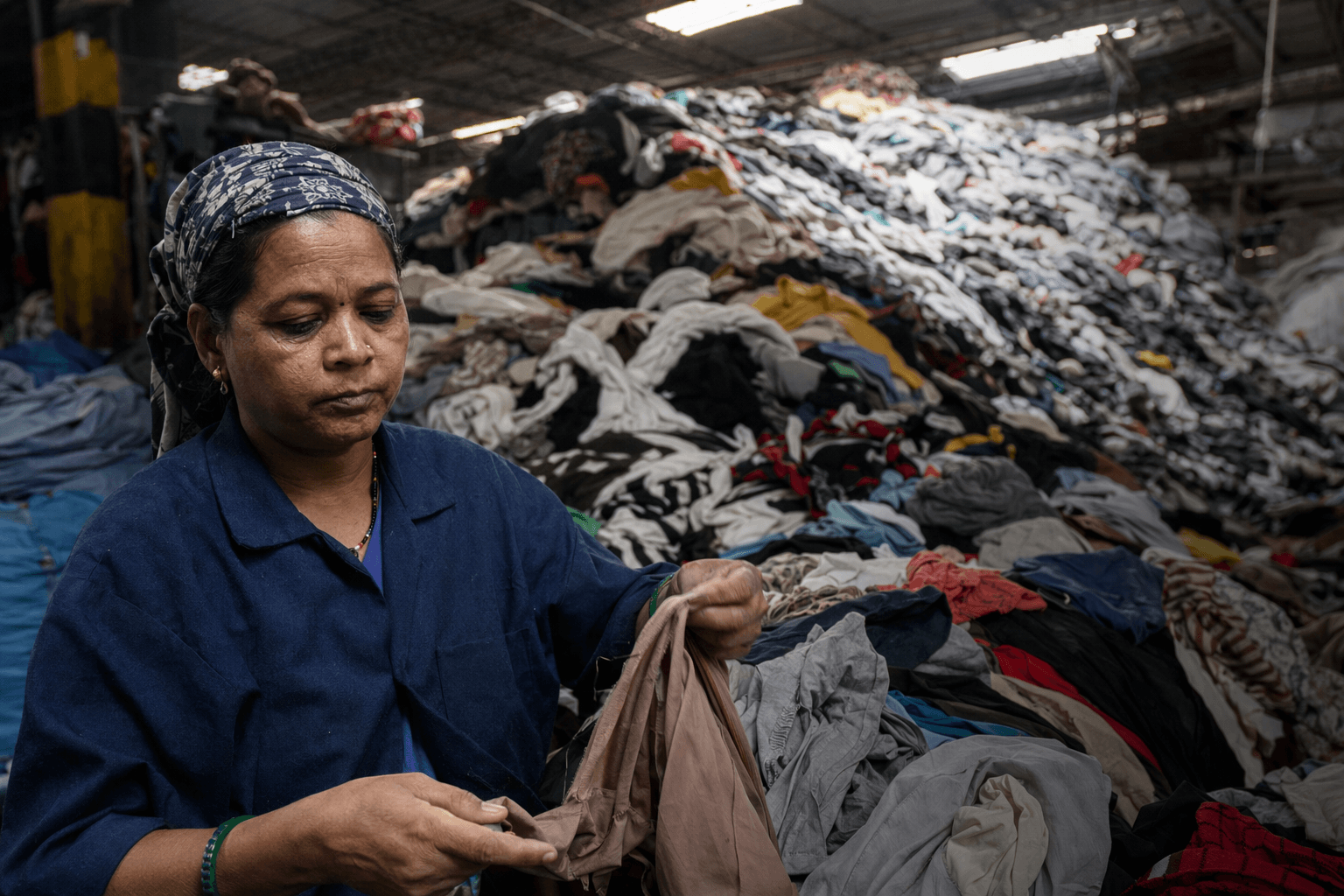
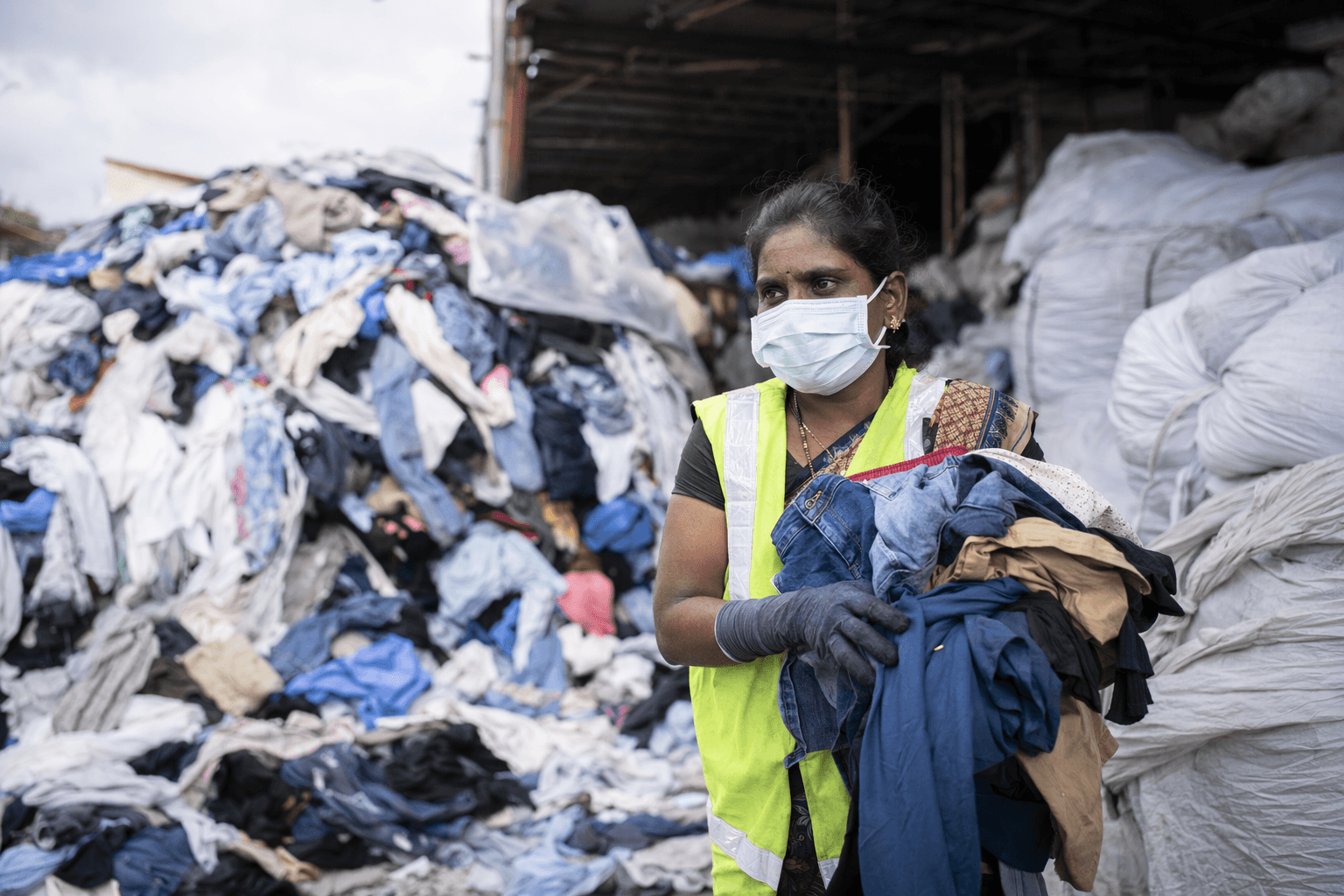
But reverse flows do not land equally everywhere. Eco-Age said frontline communities and workers in the global fashion supply chain were largely absent from the summit, even as panels kept circling back to circularity. That absence matters because used-clothing trade is already a livelihood system, not just an end-of-life strategy. A 2024 report cited by just-style estimated 1.28 million people are employed in Africa’s second-hand clothing sector and 2.5 million depend on its income, while another report on East Africa said the sector supports 3.4 million jobs.
The pressure point is obvious in places like Chile, where UNECE said 124,000 tonnes of second-hand textiles entered the country in 2022 alone, much of it later disposed of. UNECE linked that surge to globalization, fast fashion and low-cost synthetic fibres, and UNEP has already launched a Circularity and Used Textile Trade project in Ghana, Kenya, Pakistan and Tunisia to separate reusable textiles from waste and reduce environmental, economic and social harms. That is the real split in fashion right now: for some markets, circularity looks like infrastructure. For others, it looks like imported surplus with the power to crush local textiles, informal work and craft economies.
Know something we missed? Have a correction or additional information?
Submit a Tip