Secondhand or rental, which lowers fashion's footprint most?
Secondhand is usually the cleaner win, but rental can beat it for one-off pieces if shipping and cleaning stay light.
The smallest closet footprint starts with one blunt question
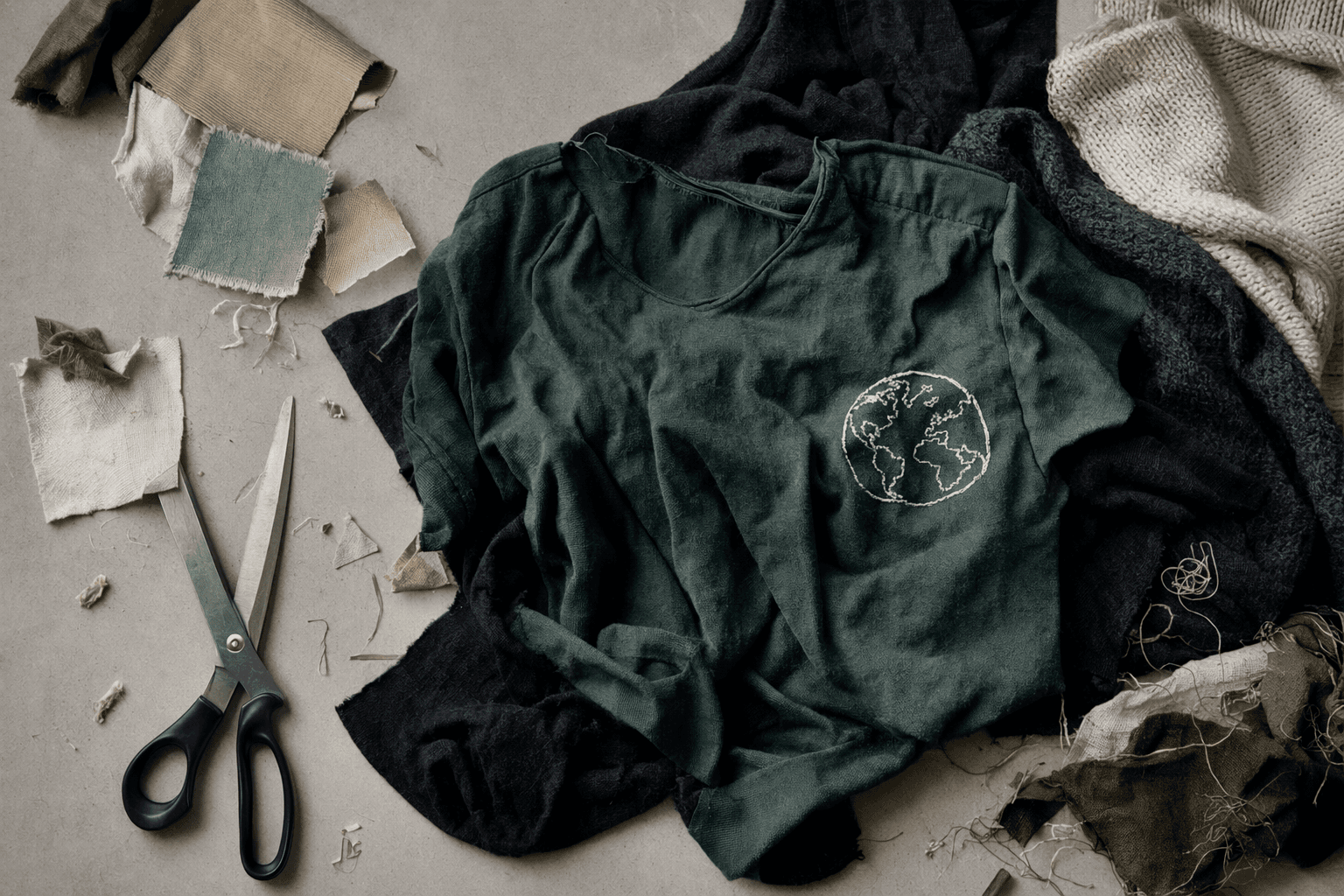
Secondhand and rental both promise a lighter touch, but they do not lower fashion’s footprint in the same way. The cleaner choice is the one that keeps a garment in use longer while avoiding a new purchase, because the industry’s damage is already built on overbuying: UNEP says people are buying 60 percent more clothes and wearing them for half as long, and António Guterres warned in March 2025 that fashion can account for up to 8 percent of global greenhouse gas emissions and about 215 trillion litres of water a year. Every second, roughly a truckload of textiles is burned or buried, a pace that makes “buy less” feel less like a slogan and more like basic maintenance.

National Geographic asked fashion experts including Beatrice Kariuki, Jennfer Walderdorff and Roberta Lee to sort through that dilemma, and the most useful answer is not a love letter to either resale or rental. It is a decision tree. What matters most is whether the item replaces something new, how often you will wear it, and how much transportation and cleaning the system adds before it reaches your body.
Secondhand does the best work when it prevents a new buy
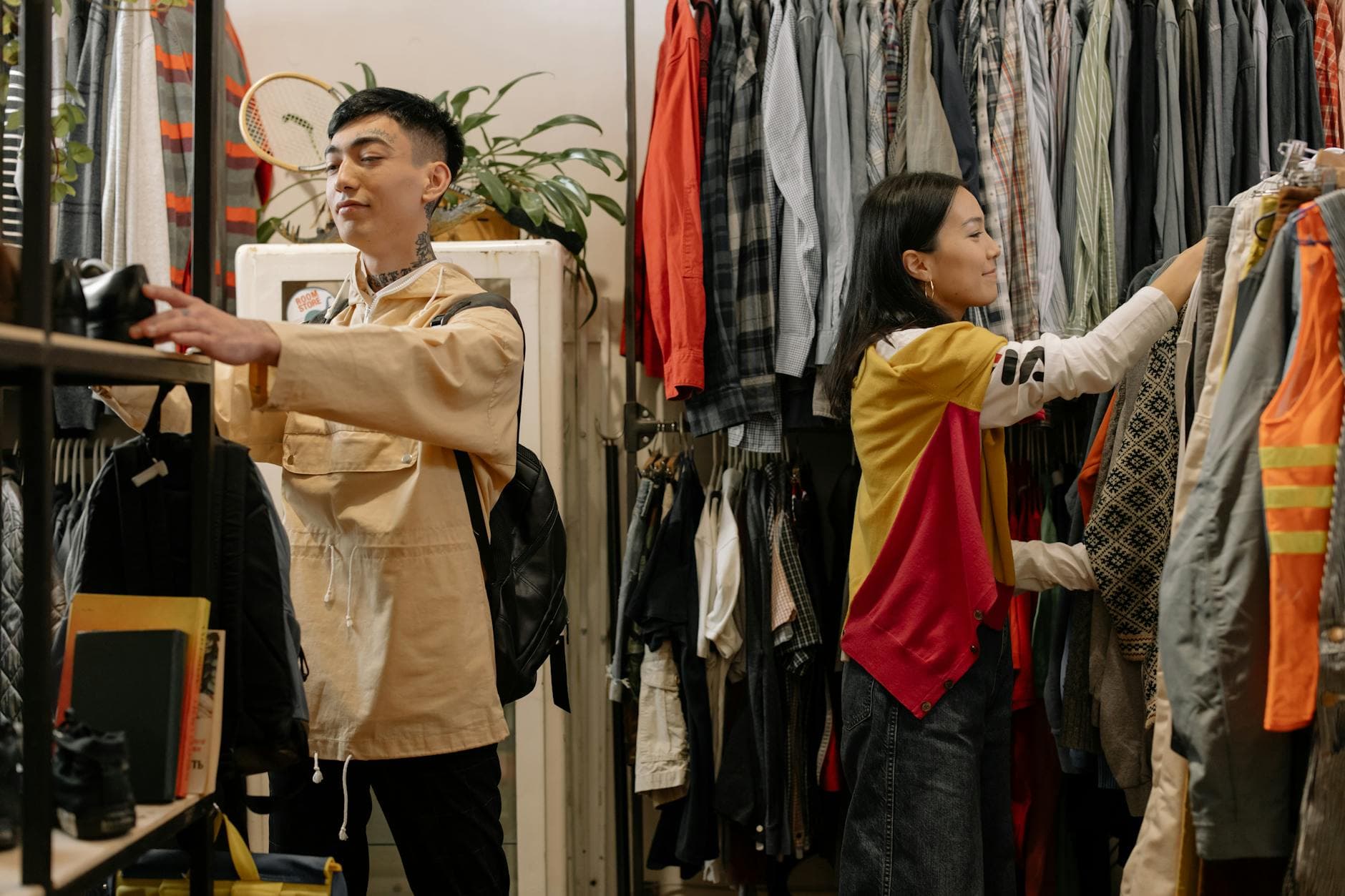
If a pre-owned piece stops you from buying a fresh one, secondhand usually has the strongest case. The garment already exists, which means the biggest environmental cost, making it, has already been paid. A vintage blazer with a little shoulder structure, a lived-in pair of loafers, or denim softened by age can be a smarter move than anything hanging under fluorescent lights in a mall, especially when the alternative is another impulse purchase that will spend most of its life folded.
ThredUp’s 13th annual Resale Report, released on March 19, 2025, reflects how quickly this market is widening, with projections extending through 2034 and discovery increasingly shaped by social commerce and AI. That growth matters because resale only lowers impact when it becomes the default path, not a side quest. The best secondhand buys tend to be pieces with clear utility, durable construction, and silhouettes that do not date the minute they leave the store.
- Would you otherwise buy this new?
- Will you wear it more than once a season?
- Is the piece sturdy enough to keep circulating?
- Can you pick it up locally, or will shipping erase the savings?
A useful test is simple:
The more often the answer is yes, the better secondhand performs. If a piece needs heavy alteration or constant dry cleaning before it feels wearable, the benefit starts thinning out. The elegance of resale is not that it makes everything sustainable. It is that it gives existing clothes a longer, more dignified life.
Rental works when occasion wear would otherwise be bought and forgotten
Rental earns its keep in a different lane: the slinky gown for one wedding, the tuxedo for a single gala, the dramatic coat you will wear once and then shepherd around your closet like a guilt souvenir. MIT Sustainable Supply Chain Lab found that rental can be more sustainable only under certain conditions, and that transport, returns and cleaning can outweigh the gains if the process is too heavy. Its work is clearest on one point: rental is better for special-occasion wear than for frequently worn basics.
That distinction is everything. A dress or suit bought for one night may never justify its own footprint, while a shirt, knit, or trouser you wear every week usually belongs in your wardrobe, not in a rental rotation. If the item is going to live close to your body over and over, ownership often makes more environmental sense than repeated shipping and professional cleaning.
Fiber type matters here, too, because the best rental candidates tend to be garments that are expensive, visually specific, and not meant for daily abrasion. Satin, crepe, and formal wool make sense when you need drama but not permanence. Everyday cotton, jersey, and other workhorse fabrics are usually better bought once and worn hard. Rental is not the right tool for a reliable closet staple; it is the right tool for the outfit that would otherwise become a single-use purchase.
The logistics can erase the win faster than the outfit looks good
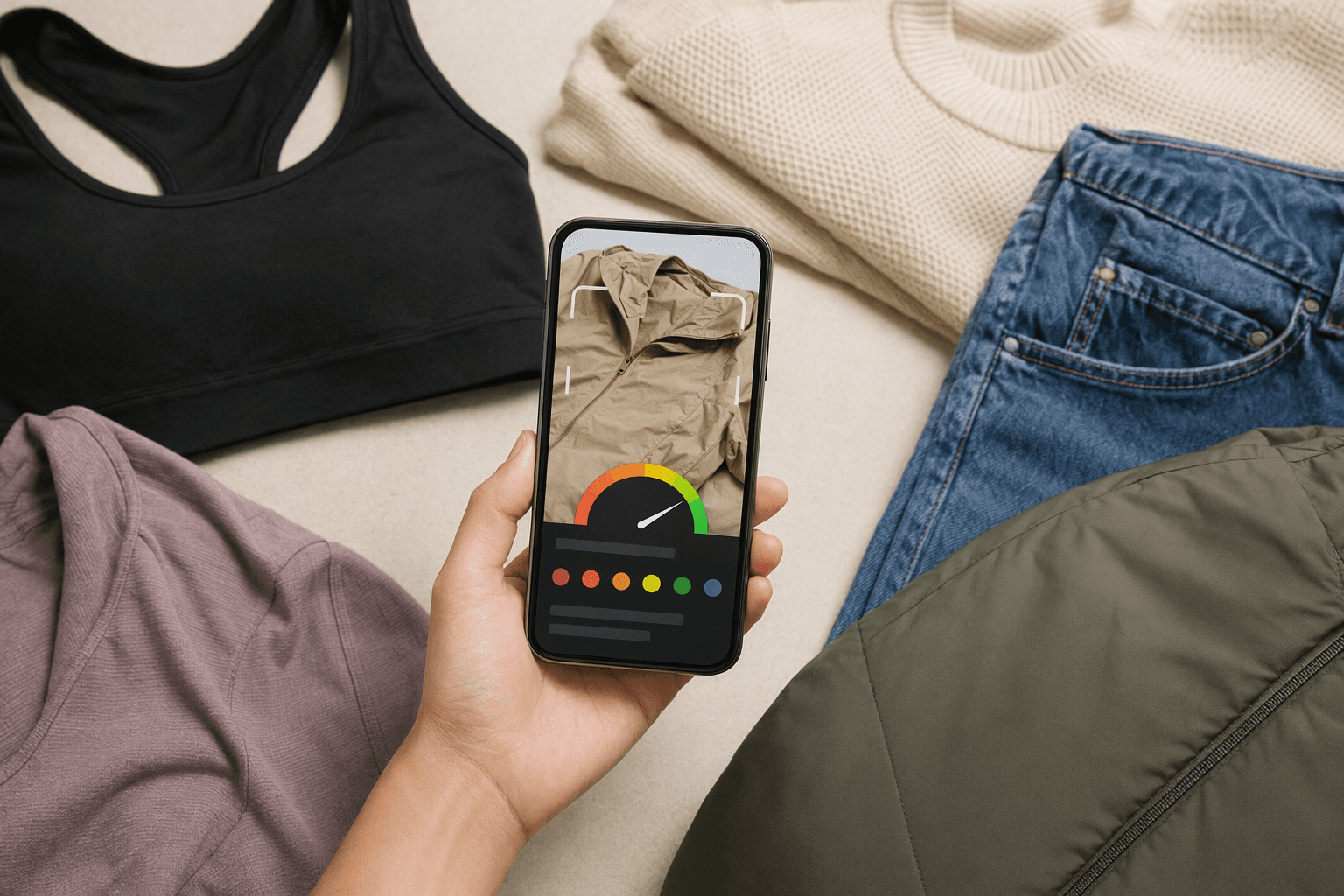
The hidden cost in both resale and rental is friction. Individual shipping, long delivery routes, repeat returns and cleaning all add environmental weight, and rental is especially vulnerable when a garment is couriered back and forth for only one wear. If the system depends on express delivery, frequent refreshing, or endless size exchanges, the footprint starts to resemble the very overconsumption it was meant to solve.
That is why National Geographic’s slow-fashion explainer from June 6, 2024 still feels sharp. It points to the real-world barrier many shoppers face: rising inflation and limited sustainable sizing make ethical shopping feel expensive and exclusionary, even when lower-cost options do exist. The problem is not just desire. It is access, and access shapes behavior. Secondhand and rental both become more credible when they are easy, local, and low-friction enough to replace a trip to buy something new.
What the most climate-conscious wardrobe actually looks like
The smartest closet is not built on one perfect model. It mixes ownership, resale and rental with discipline. Buy new only when the garment has real staying power. Choose secondhand when you want an existing piece to do the work a new one would have done. Rent when the occasion is specific, the wear count will be low, and the logistics are light enough that the environmental savings survive the journey.
That larger circular logic is exactly where Patagonia has become such a visible example. UNEP has cited the brand as an emblem of circular business practice, and Patagonia’s 2022 ownership restructuring placed the Patagonia Purpose Trust in control of voting stock so profits could be directed toward climate goals. Yvon Chouinard’s move, carried forward through the company’s current leadership, showed that sustainable fashion is not only about what shoppers do at the rack. It is also about who controls the system, and what they choose to value.
The fashion industry will not clean itself up with sentiment. It gets cleaner when garments are worn longer, moved less, cleaned smarter and bought only when they earn their place. Secondhand usually wins that test. Rental wins only when the garment is fleeting, the logistics are lean, and the outfit would otherwise have been another new thing headed straight for the back of the closet.
Know something we missed? Have a correction or additional information?
Submit a Tip