Wove app scans clothes for PFAS, microplastics and greener alternatives
Wove's new app gives garments an A+ to F score for PFAS and microplastic risk, then points shoppers to cleaner-looking alternatives.
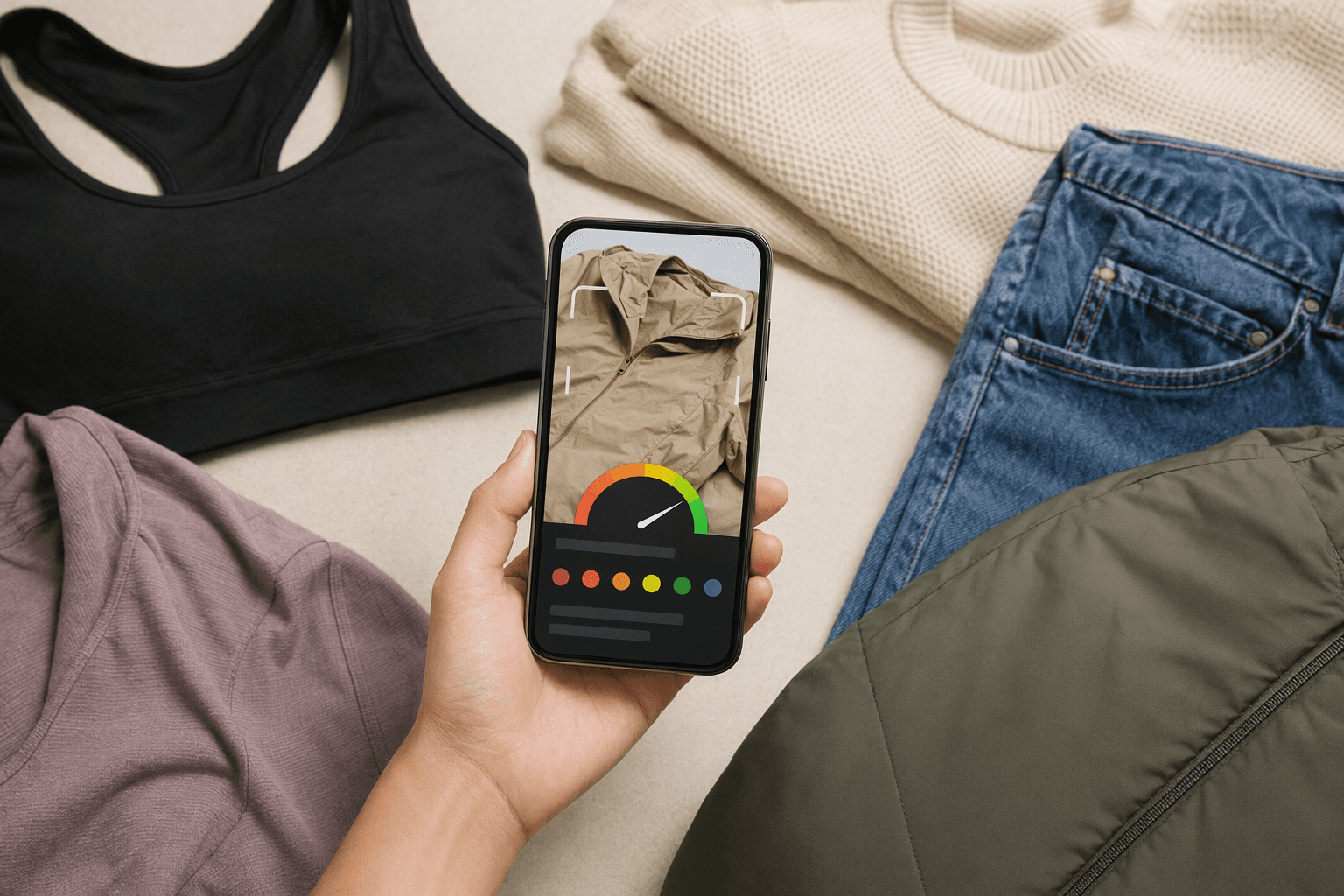
Wove is trying to turn sustainability from a vague promise into a shopping filter with consequences. The Charlotte, North Carolina, company launched a free iOS app on March 5 that scans clothing by photo, URL, screenshot or product description, then assigns each piece a Wove Score from A+ to F based on fiber composition, microplastic risk, PFAS concerns and overall sustainability.
That is the interesting part: the app does not just celebrate a brand’s recycled mood board. It breaks the garment down into the details that actually matter when you are standing in front of a hangtag or a product page. Wove says the app has no ads and no brand deals, which matters because the cleanest-looking sustainability tools can still blur into marketing. By pairing each item with lower-impact alternatives that fit the same style and price lane, Wove is betting that transparency changes behavior only when it stays close to the way people already shop.
The app’s timing also gives it weight. PFAS have become one of fashion’s ugliest hidden problems, because the chemicals are used across textiles and apparel and the U.S. Environmental Protection Agency says exposure can lead to adverse health outcomes. Microplastics are the other half of the story: the United Nations Environment Programme says synthetic fabrics such as polyester, acrylic and nylon shed microfibers when washed or worn, plastics make up about 60% of all clothing material, and clothing and textiles account for an estimated 9% of microplastic losses into the oceans.
That is why Wove reads less like a novelty and more like a pressure point. California’s textile PFAS restrictions took effect on January 1, 2025, and the state’s threshold tightens again to 50 parts per million on January 1, 2027, after an earlier 100 ppm limit. The EPA also says textiles are among the articles that can contain certain PFAS substances and face import restrictions if those risks are not reviewed and addressed. In the industry, AFIRM Group has already published PFAS phaseout guidance for brands, manufacturers and suppliers.

The question now is whether a consumer-facing score can push the market faster than the old system of restricted-substances lists and lab tests alone. If shoppers start asking why one coat earns an A and another lands in the red, brands may have to disclose more than they have been comfortable revealing. That is the shift Wove is chasing, and it is bigger than an app icon.
Know something we missed? Have a correction or additional information?
Submit a Tip