Mango pairs designer collaborations with a push for sustainable fashion
Mango leaned on designer capsules and tougher product standards to sell a greener fast-fashion model, but the real test was whether quality slowed replacement buying.

Mango tried to make fast fashion look a little less disposable by pairing designer collaborations with a sharper quality push, and that is where the story gets interesting. The brand has spent years building its sustainability pitch, but the question for shoppers is simple: do better clothes, clearer material disclosures and more circular design actually mean fewer replacements, or just a prettier reason to buy more?
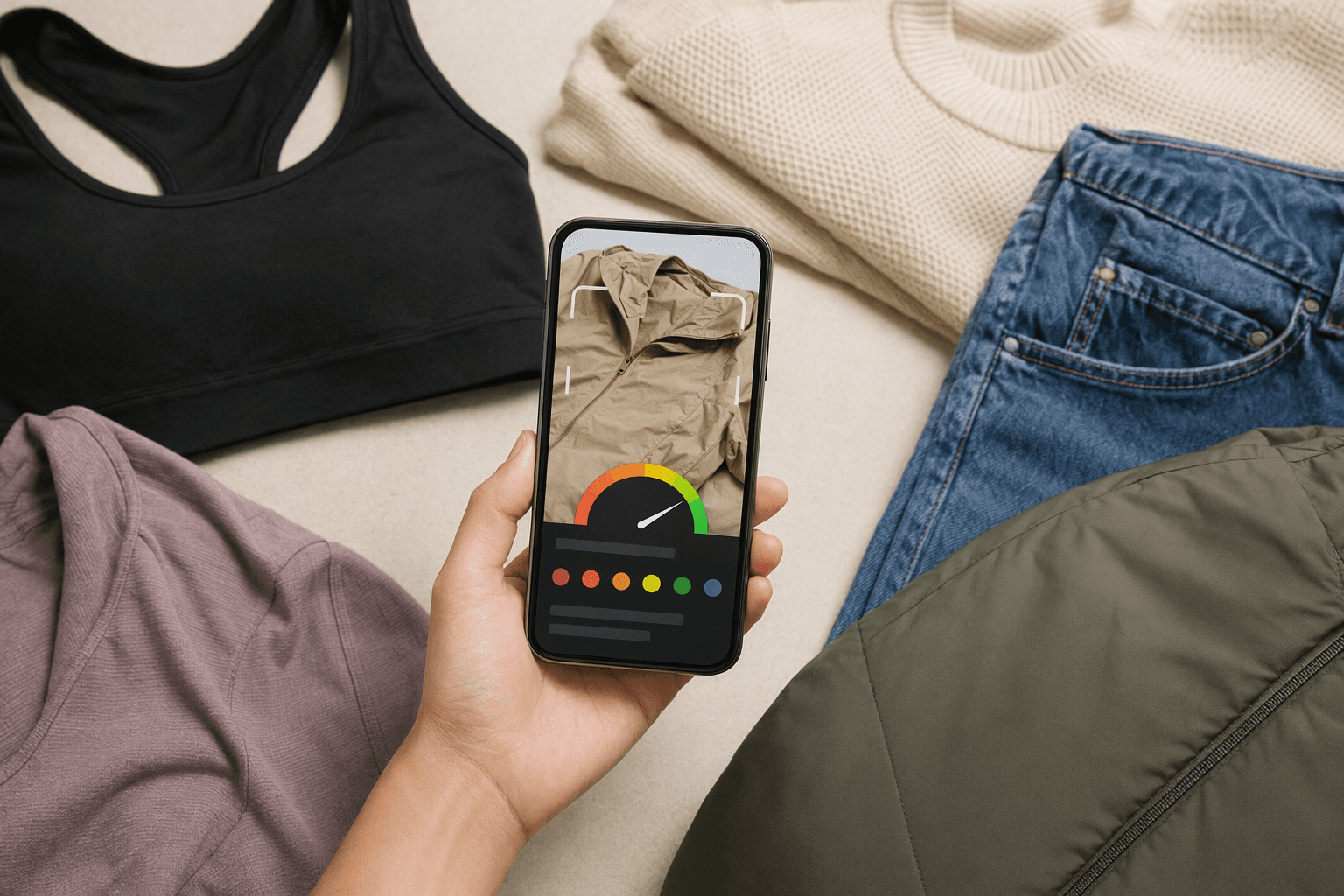
Luis Casacuberta, Mango’s chief product and sustainability officer, framed the effort as a way to make the line both more fashionable and more sustainable. The company has been on that path since it created a Sustainability Department in 2002, then formalized its Sustainable Vision 2030 strategy on December 13, 2022. That roadmap is built around three pillars, Committed to Product, Committed to Planet and Committed to People, and it reaches well beyond marketing language. Mango says it wants only fibers of sustainable origin or recycled origin by 2030, plans to replace garment labels with QR codes that show composition and production-location data, and has tied the business to an 80% cut in Scope 1 and 2 emissions and a 35% cut in Scope 3 emissions by 2030, with net zero by 2050.
The new capsule with Eckhaus Latta sits inside Mango Collective, the company’s platform for niche designers. Mango said the collection will be available from June 4, 2026, and that Eckhaus Latta is the third brand in the initiative after Siedrés in 2024 and Supriya Lele in 2025. Founded in 2011 by Mike Eckhaus and Zoe Latta in New York and Los Angeles, Eckhaus Latta built its name on experimental materials, inclusive garment design and functionality, which makes it a smart fit for a brand trying to borrow some fashion credibility without abandoning scale.
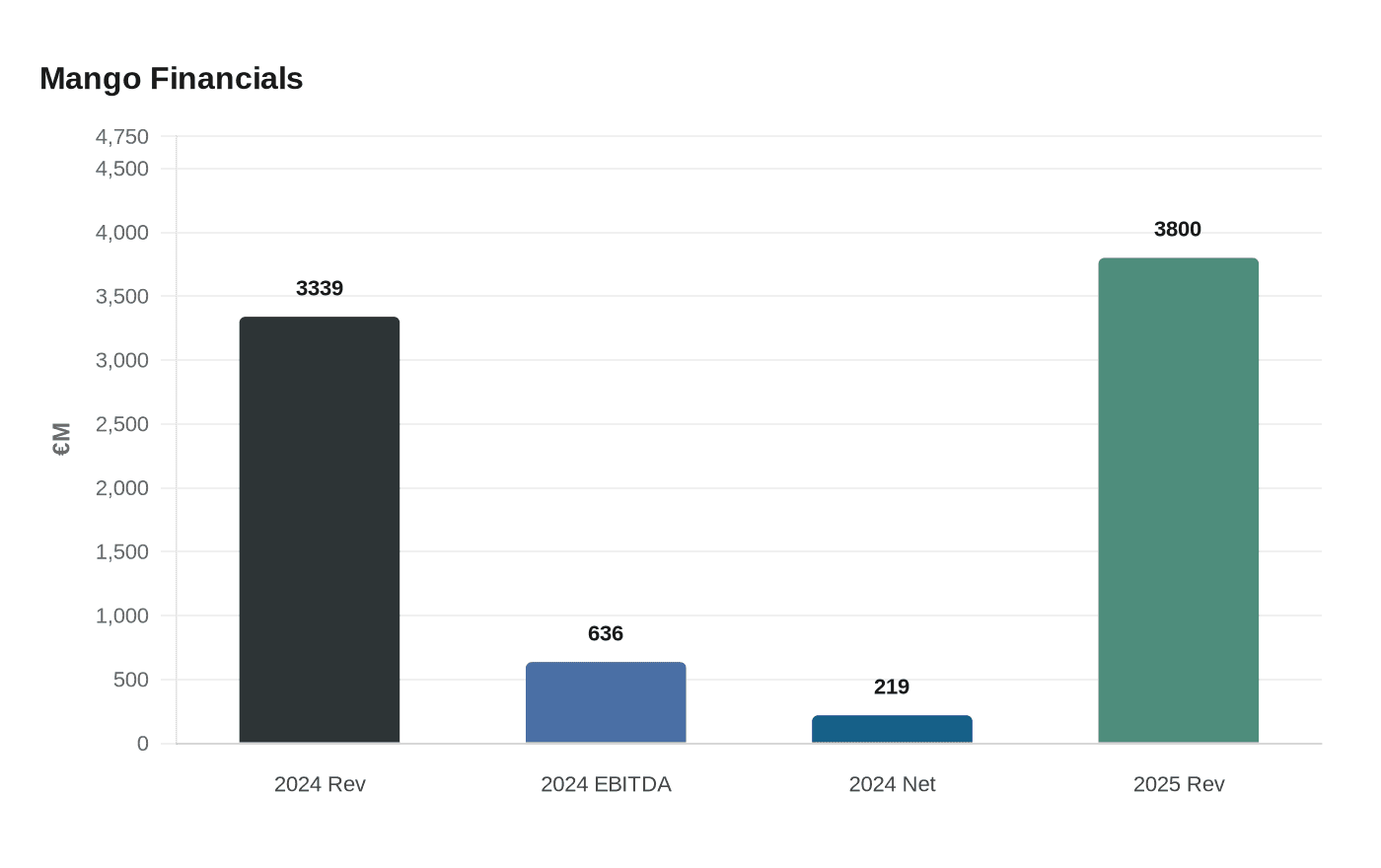
Scale is exactly the tension here. Mango reported 2024 revenue of 3.339 billion euros, up 7.6% from the previous year, with EBITDA of 636 million euros and net profit of 219 million euros. By 2025, revenue had climbed close to 3.8 billion euros, up 13%, and Mango said it had more than 2,900 points of sale in over 120 markets. In the United States alone, it opened 31 stores in 2025, expanding from 62 to 93. That is not a company retreating from volume.
The brand has made some concrete moves. It partnered with Materra in 2024 to put regenerative cotton into selected garments for the first time, and in June 2025 it said it became the first brand to commit to Circulose since the recycler’s restart. Those are the kinds of material bets that can change a supply chain if they hold up at scale. So can the tougher transparency measures Mango promised, including a planned list of Tier 3 factories and carbon-footprint accounting it says it has tracked since 2009.
Still, outside scrutiny remains sharp. Stand.earth’s Fossil Free Fashion Hub gives Mango a D+ score and says the company lacks a full climate transition plan and more supplier decarbonization detail. That is the crux of Mango’s sustainability push: a fast-growing retailer can dress up its racks with better design, but unless durability, sourcing and emissions move in lockstep, the model still depends on selling more, not selling better.
Know something we missed? Have a correction or additional information?
Submit a Tip