Global Textile Recycling Market Set to Reach $11.39 Billion by 2031
Textile recycling hit $6.62 billion in 2025 and is accelerating toward $11.39 billion by 2031, as EU mandates and H&M's $600M chemical recycling bet reshape where fashion's money flows.
The numbers tell a story the industry spent a decade insisting was impossible. The global textile recycling market, valued at $6.62 billion in 2025, is projected to reach $11.39 billion by 2031, growing at a compound annual rate of 9.48%, according to a Mordor Intelligence forecast. That trajectory is not driven by consumer goodwill alone. It is being carved out by regulatory mandates, nine-figure corporate commitments, and a recognition that textile waste, once a cost center, is rapidly becoming a feedstock asset.
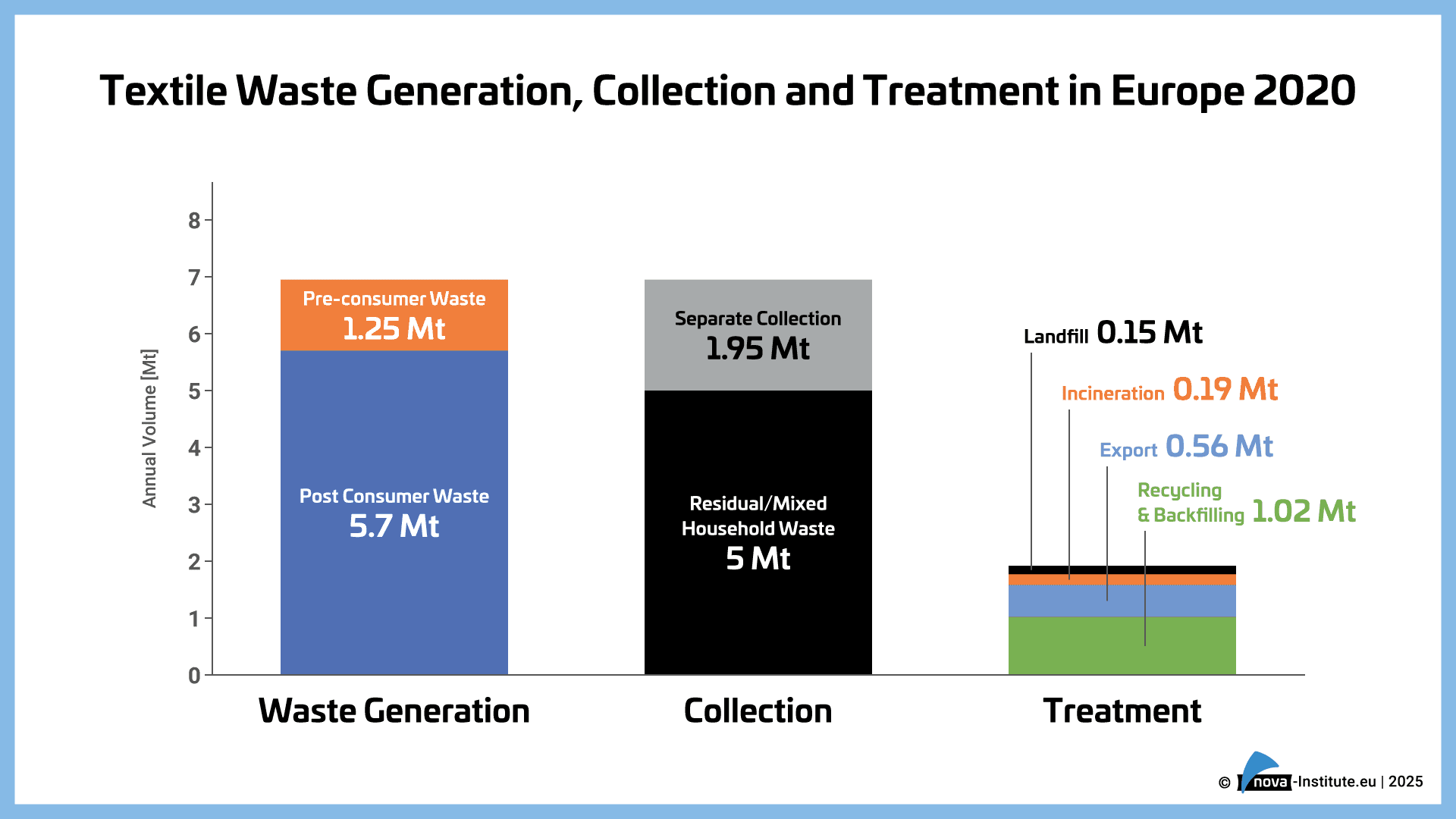
The EU's Extended Producer Responsibility framework is the most consequential structural shift underneath these numbers. Mandatory separate textile collection began across the bloc in January 2025, shifting disposal costs directly onto producers through eco-modulated fees. The effect is already measurable: France channels approximately EUR 100 million a year through its national EPR scheme into collection infrastructure that processes 240,000 tons of waste annually. The Netherlands has reached a 50% textile recycling rate, arriving two years ahead of the EU's own target. From 2026, the EU will also ban the destruction of unsold clothes, shoes, and accessories outright, closing an exit that fast-fashion players have long relied upon.
Corporate capital is moving in lockstep. H&M Group co-founded Syre, a chemical recycling startup, and secured a seven-year, $600 million offtake agreement to supply recycled polyester at scale. Syre is targeting 10,000 metric tonnes of textile-to-textile production this year, with ambitions for 3 million metric tonnes annually by the early 2030s. The strategic logic is pointed: H&M aims to source 50% of its materials from recycled fibers by 2030, and bottle-to-textile rPET, the industry's standard workaround, will not get it there. Danish brand Ganni has similarly anchored a four-year offtake deal with Ambercycle to source Cycora, a regenerated polyester designed to replace roughly 20% of the brand's virgin fiber use, treating recycled material as a core input rather than an occasional capsule feature.
Asia Pacific dominates the supply side of this market, holding an estimated 46.10% share in 2025. The region's manufacturing concentration provides abundant textile feedstock, and chemical recycling plants, particularly the first industrial-scale facilities in Asia, are now scaling up capacity fast enough to strain the supply of high-purity waste bales required to feed them.
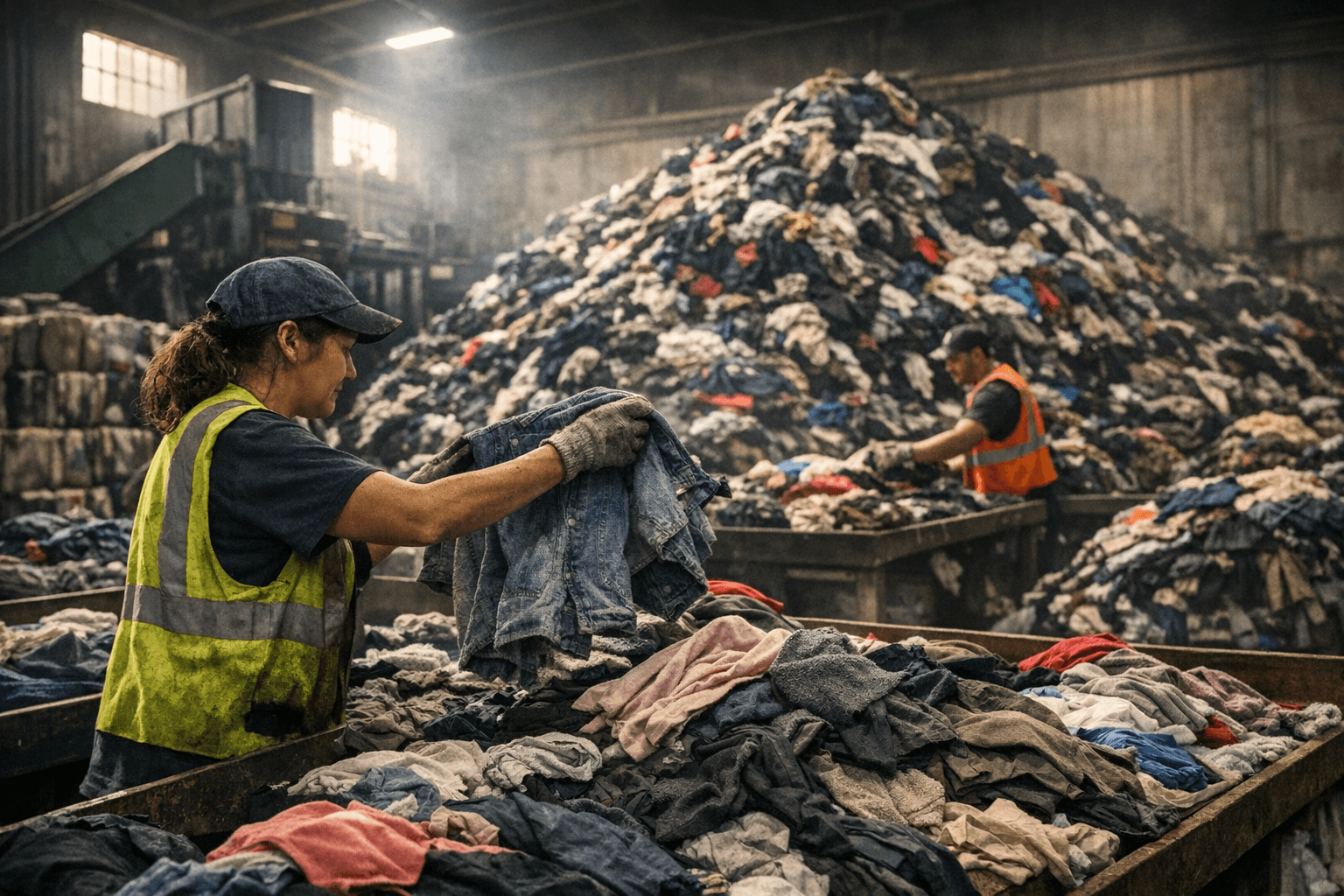
The gap between current reality and that $11.39 billion projection remains steep. Less than 1% of used clothing is today recycled into new garments, and an estimated 92 million tons of textile waste end up in landfills globally each year. The market growth forecast, in other words, is not a celebration of progress already made; it is a projection of what closing that gap is worth to the companies willing to build the infrastructure to do it.
This article was produced by Prism’s automated news system from verified source data, official records, and press releases, then run through automated quality and moderation checks before publishing. The system is built and supervised by the people who set the standards it runs under. Read our full AI policy.
Did this article answer your question?