Good On You spotlights ethical maternity brands for comfort and style
Good On You’s maternity guide treats pregnancy clothes as a long-game wardrobe, spotlighting ethical labels that can carry you through nursing and beyond.
Why this maternity edit matters now
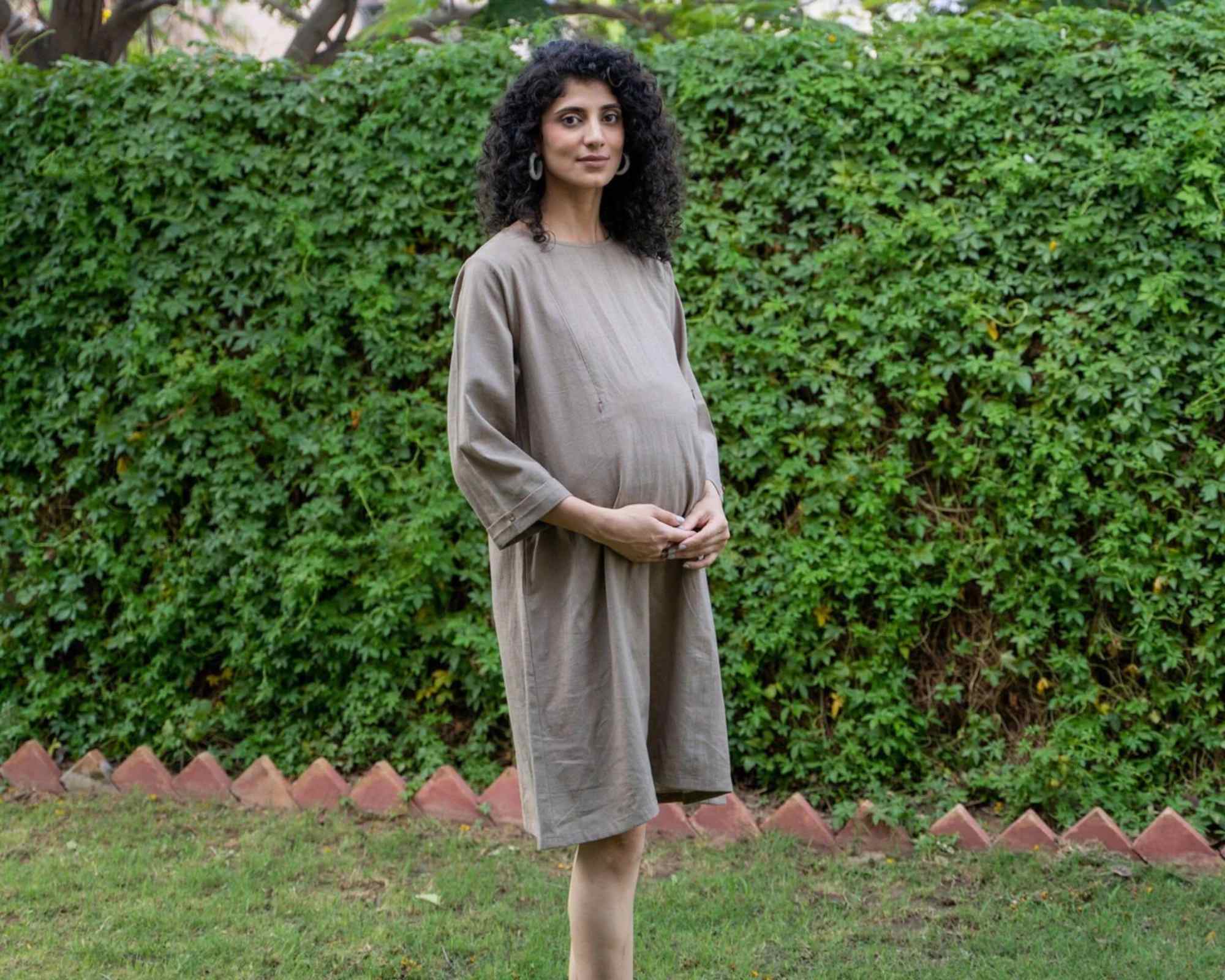
Maternity dressing has always been a negotiation between comfort and identity, but the sharpest brands now understand something more practical: the best pieces have to work hard for a short time and still earn their place afterward. Good On You’s ethical maternity guide leans into that reality, highlighting clothes that balance support, ease, and style while keeping an eye on lower-impact materials and production practices.
That lens feels especially relevant in a market this large. In the United States alone, maternity apparel was valued at about $4.1 billion in 2024 and is projected to reach roughly $7.5 billion by 2034. A separate 2026 global estimate put the maternity apparel market at $12.74 billion. When a category moves that much product, the question is not simply what looks good for a few months. It is whether a garment can adapt across pregnancy, nursing, and postpartum instead of becoming yet another short-lived purchase.
Good On You’s ethical framework
The guide sits inside Good On You’s broader maternity category, part of a fashion directory that covers thousands of brand ratings and evaluates labels on people, planet, and animals. That matters because maternity wear is often sold as a private, emotional purchase, yet the impacts stretch far beyond the wardrobe mirror. A responsible edit should take into account fabric choice, labor practices, and whether the clothing is made to last long enough to offset the churn of seasonal maternity shopping.
This is where cost-per-wear becomes more than a finance cliché. A ribbed nursing tank, a wrap dress with room to grow, or a pair of trousers cut with genuine flexibility can outlast the nine-month assumption that too often defines the category. The smartest maternity pieces are not precious, and they are not disposable either. They are the ones that can be worn layered under a blazer, eased into postpartum weeks, and still feel useful when the baby is old enough that you have finally slept through the night.
Boob Design and the case for longevity
Boob Design is one of the clearest examples of that mindset. The company says it has spent more than 20 years making sustainable maternity, nursing, and postpartum clothes, with longevity, design, and quality at the center of its approach. That is the right triad for this category, because maternity dressing is all about tension: soft but structured, easy but not shapeless, functional but still worthy of a wardrobe with standards.
Its materials story matters as well. Boob Design says some of its products use GRS-certified recycled materials, including recycled polyester and ECONYL® yarn. In a category where stretch and recovery are essential, recycled performance fibers can make sense if they are used thoughtfully. The appeal is not novelty; it is resilience. A good maternity garment should move with the body, hold its shape, and keep wearability high enough that it does not feel like a temporary uniform.
Isabella Oliver and the elegance of responsibility
Isabella Oliver brings a slightly different but equally relevant perspective. The brand describes its maternity clothing as environmentally and socially conscious, and says sustainability shapes choices from design and production to packaging and partnerships. That breadth is important, because maternity wear is not only about the garment itself. The entire lifecycle matters, from the fiber content to the way a piece is packed, shipped, and presented to the customer.
This is the kind of brand thinking that pushes maternity fashion beyond a narrow comfort-first formula. The most convincing pieces still have to drape well, skim rather than cling, and make room for changing proportions without looking engineered. But they also need to feel like part of a considered wardrobe, not an emergency wardrobe. That is where design and ethics meet most convincingly.
What to look for when you shop
A strong ethical maternity purchase should reduce wardrobe churn, not add to it. The best pieces usually solve for several stages at once: pregnancy, nursing, and the awkward in-between period when your body has changed but your clothes have not caught up.
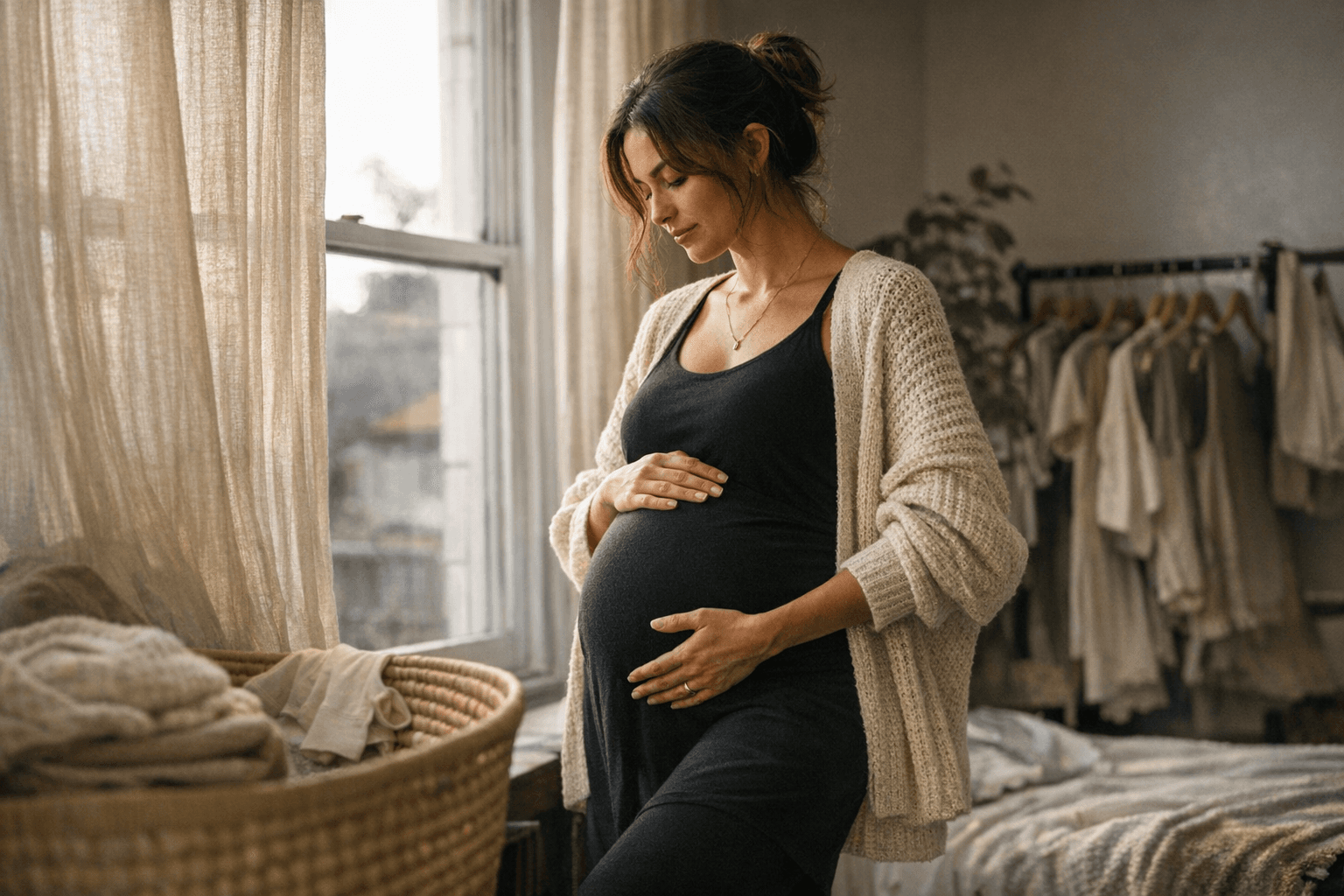
- Versatility first: Look for wrap fronts, adjustable waists, button-through shirts, and silhouettes that can be styled before and after birth.
- Sizing flexibility: Stretch should feel supportive, not flimsy. Pieces that accommodate growth and recovery are more likely to stay in rotation.
- Fabric comfort: Softness matters, but so does breathability, recovery, and whether the cloth still feels good after repeated washing.
- Lower-impact materials: Recycled fibers, responsibly sourced textiles, and thoughtful material choices can make a real difference when a garment is worn often.
- Production values: Ethical maternity wear should account for workers as well as wearers, especially in a sector that still relies on global supply chains.
This is also where the sustainability conversation becomes larger than personal style. The U.S. Environmental Protection Agency says discarded clothing is a main source of textiles in municipal solid waste. In other words, the clothes that feel easy to buy quickly are often the clothes that create the most waste just as quickly. Maternity wear, because it is so often treated as temporary, is especially vulnerable to that cycle.
The labor question behind the softest clothes
The ethics of maternity fashion cannot stop at fabric labels. The International Labour Organization says the textile and clothing sector employs more than 90 million people globally, and that 75% of garment workers are women. That statistic should sit uneasily beside any romantic language about “mom-friendly” clothing. When a category is so deeply feminized on both the labor and consumer side, the conditions under which garments are made matter as much as the comfort they promise.
The ILO has also linked the sector’s future to stronger labor standards, and it notes that the Rana Plaza collapse brought worldwide attention to the need for safer working conditions in textiles and clothing. That history is part of the reason ethical maternity brands deserve scrutiny. Clothes designed for new mothers should not come at the expense of other women’s safety and dignity.
The wardrobe lesson
The most persuasive maternity brands are not trying to sell a special-occasion moment. They are designing for continuity. A well-cut nursing dress, a recycled-fiber base layer, or a pair of trousers with enough forgiveness to travel from bump to baby to beyond can save money, reduce waste, and keep style intact during one of life’s most physically changing seasons.
That is the promise behind Good On You’s edit: not just clothes that fit, but clothes that justify their existence. In a market this big, and an industry with this much to answer for, the most responsible maternity wardrobe is the one that lasts longer than the pregnancy itself.
This article was produced by Prism’s automated news system from verified source data, official records, and press releases, then run through automated quality and moderation checks before publishing. The system is built and supervised by the people who set the standards it runs under. Read our full AI policy.
Did this article answer your question?


