Gore, Burton join Samsara Eco nylon collective as it tops 260 brands
Gore, Burton and the OIA have pushed Samsara Eco’s nylon collective past 260 outdoor brands, a sign recycled nylon is moving from concept to supply chain reality.
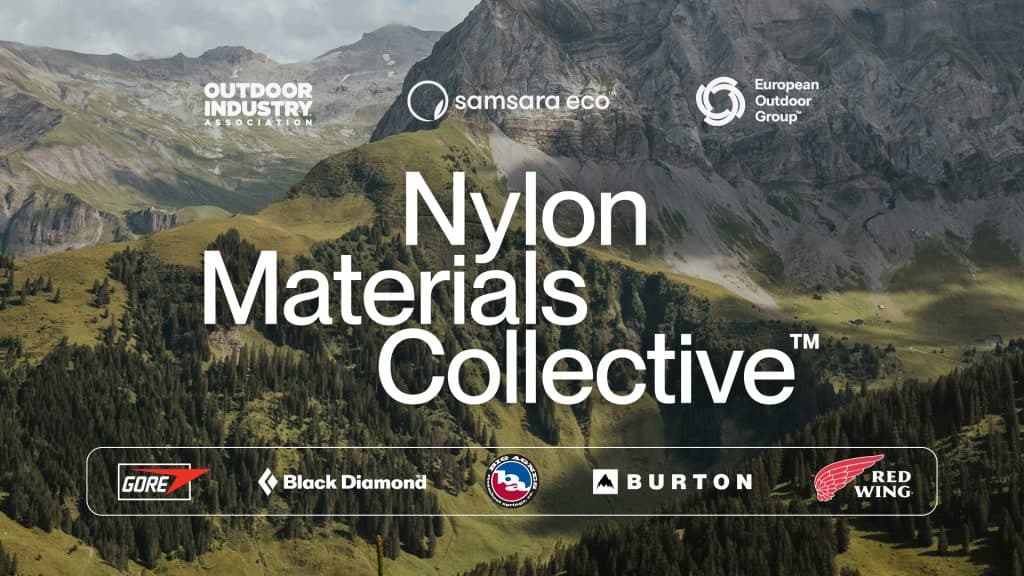
The nylon fight in outdoor gear just got more serious. Samsara Eco’s collective has topped 260 brands after adding the Outdoor Industry Association alongside Burton, W. L. Gore & Associates, Black Diamond Equipment, Red Wing Shoe Company and Big Agnes, a sign that recycled nylon is no longer being treated like a niche experiment.
The expansion, announced on May 12, deepens a network that launched in November 2025 with the European Outdoor Group. Samsara Eco says the point is practical, not promotional: pool volumes, connect supply-chain partners and make material due diligence easier for brands that want high-performance recycled nylon without rebuilding their sourcing systems from scratch. In other words, the question is no longer whether brands like the idea. It is whether enough of them will buy in at once to change how nylon is bought, priced and specified.
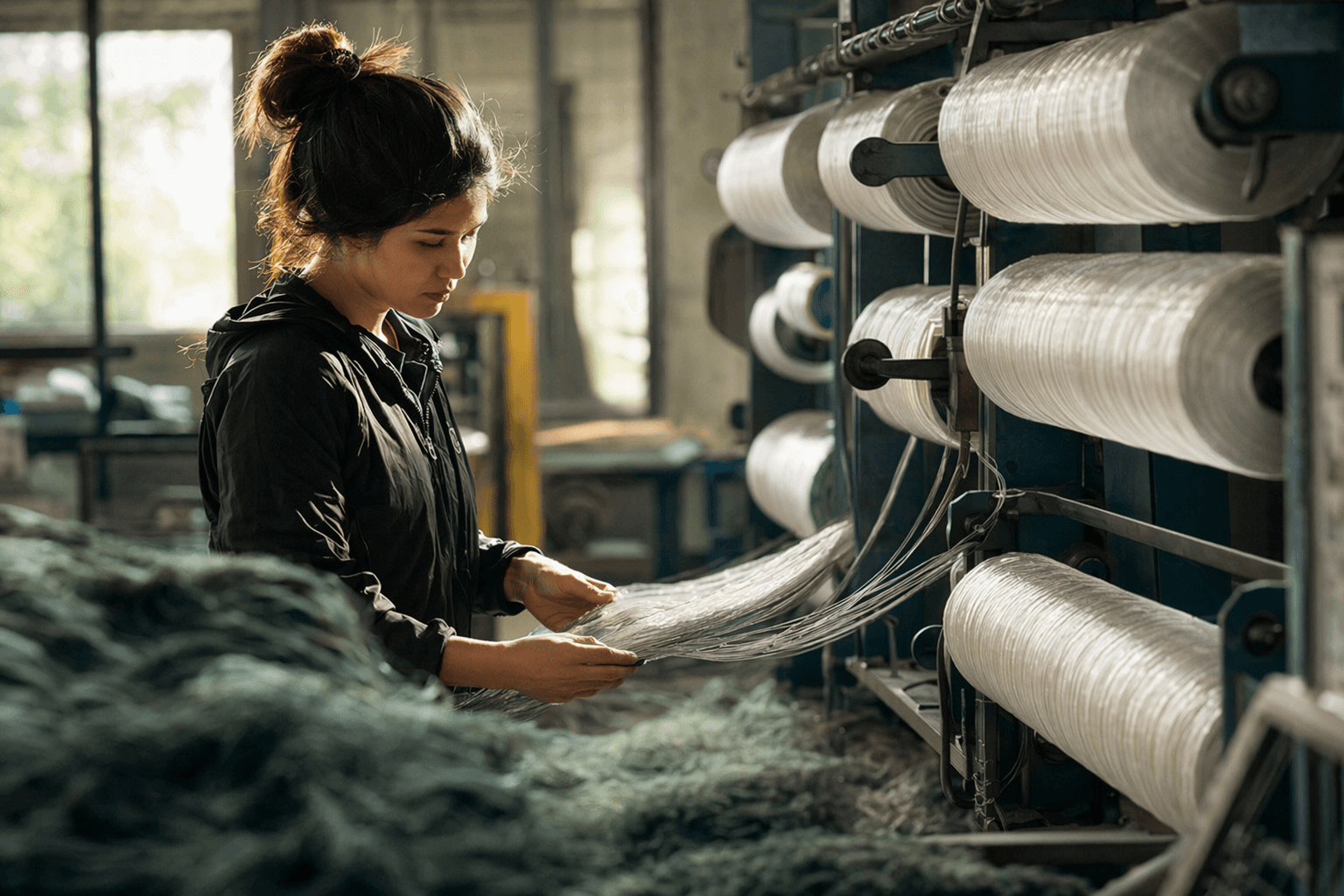
That matters because nylon is still one of the industry’s most stubborn dependencies. Samsara Eco’s EosEco enzymatic recycling process produces virgin-identical recycled materials, including nylon 6,6, which gives brands a cleaner path to swapping out fossil-based inputs without compromising performance. The company has also framed the urgency in blunt terms, saying in December 2024 that almost two-thirds of textile waste ends up in landfill or incineration. For outdoor brands, where durability, abrasion resistance and weather performance are non-negotiable, a recycled feedstock that behaves like the original is the kind of material shift that can actually make it into product lines.
The new partners also stretch the collective beyond Europe. Samsara Eco said bringing in the OIA expands the initiative’s footprint in North America, complementing the European Outdoor Group relationship and giving the program a broader commercial base. Dr. Katy Stevens, the EOG’s head of CSR and sustainability, has said collaboration was central to helping members access recycled nylon and accelerate the move to circular materials. That is the right instinct, because scale is what will decide whether this becomes a sourcing shortcut or just another good idea with a polished logo.

There is already evidence that the market is testing the waters. lululemon signed a 10-year offtake agreement with Samsara Eco in June 2025 to source a significant share of its future nylon 6,6 and polyester needs, a deal that suggested serious demand, not just brand theater. Samsara Eco’s first commercial plant with KBR is due for completion in early 2028, with planned capacity for 20,000 metric tons of nylon 6,6 a year. That is the number to watch. If the collective can keep converting brand interest into locked-in offtake and plant output, it could become one of the first credible routes to reducing virgin nylon dependence at commercial scale.
This article was produced by Prism’s automated news system from verified source data, official records, and press releases, then run through automated quality and moderation checks before publishing. The system is built and supervised by the people who set the standards it runs under. Read our full AI policy.
Did this article answer your question?


