H&M Group Sets Science-Based Land Targets to Shrink Agricultural Footprint by 2030
H&M Group became the third company globally to set independently validated science-based land targets, committing to a 3.85% cut in agricultural footprint by 2030.
H&M Group became only the third company globally to earn independently validated science-based targets for land when it announced its commitments on March 19, 2026, placing the Swedish fashion giant in rare company as corporate sustainability frameworks push beyond carbon accounting into biodiversity and soil.
The targets, developed using methods from the Science Based Targets Network and validated through the Accountability Accelerator, commit H&M Group to reducing its absolute agricultural land footprint from upstream supply chain impacts by 3.85% by 2030, measured against a 2019 baseline. The targets also include a No Conversion of Natural Ecosystems commitment covering upstream operations, with SBTN noting that H&M's direct operations already show low exposure to ecosystem conversion.
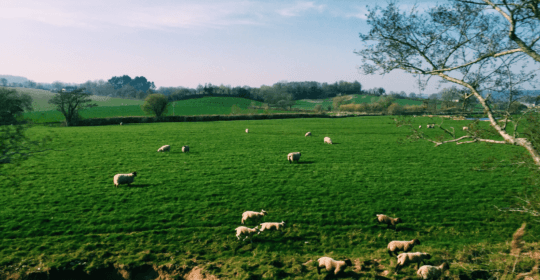
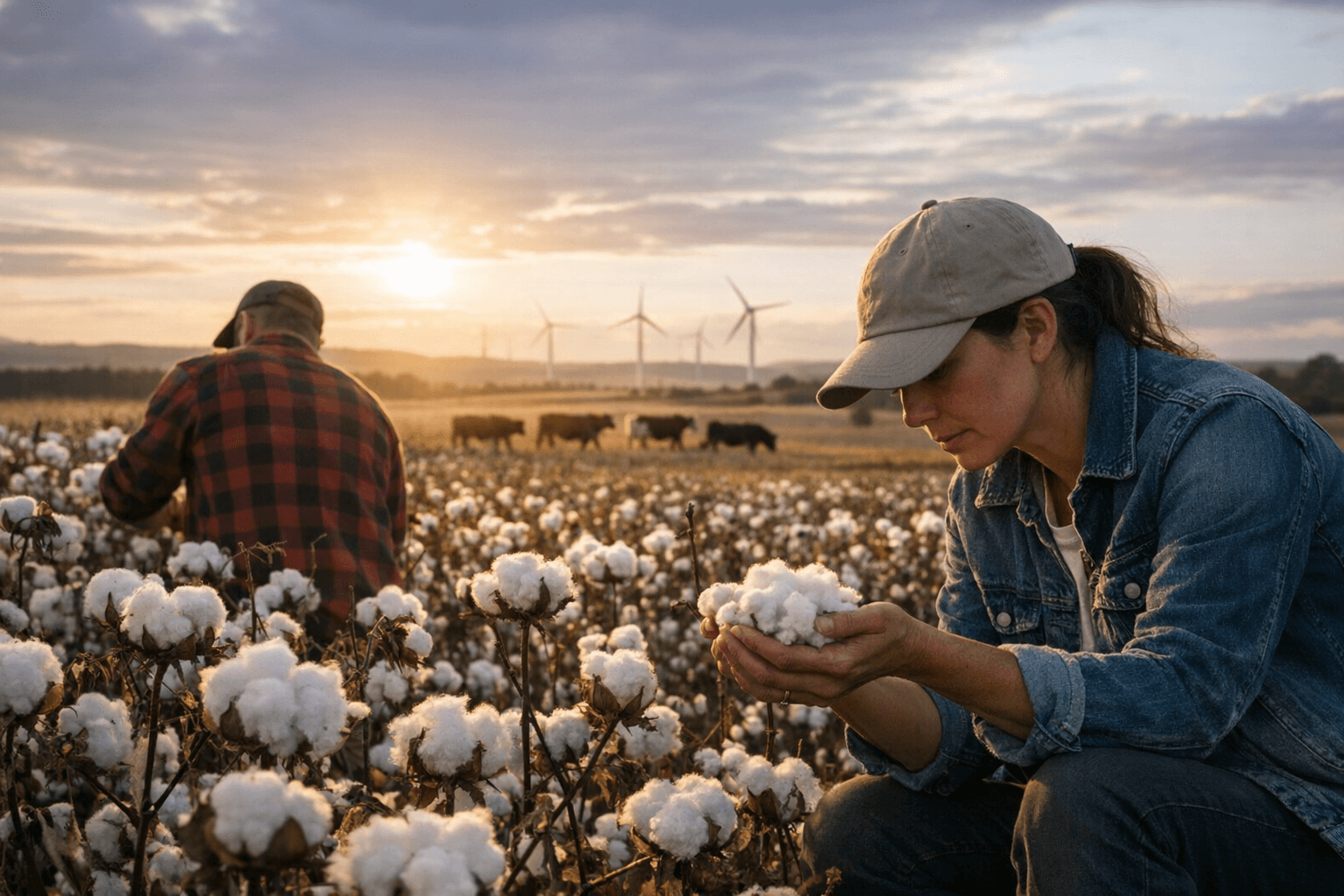
A third commitment, the landscape engagement target, is where the ambition becomes most tangible. H&M Group is participating in the REEVA project, short for Regenerative, Ecologically and Economically viable agriculture, in Central India, focused on cotton farming. In parallel, the company is supporting a Regenerative Wool Project in the Eastern Cape Drakensberg Grasslands of South Africa. Both programmes carry a 2030 deadline for delivering measurable improvements in local ecological and social conditions.
The three targets follow SBTN's ARRRT framework, an approach structured around the actions Avoid, Reduce, Restore, Regenerate, and Transform, with the emphasis placed on preventing ecosystem degradation upstream and reshaping supplier practices rather than offsetting damage after the fact.
Leyla Ertur, Chief Sustainability Officer at H&M Group, framed the move in terms of material risk to the fashion industry's own resource base: "The threats and depletion of nature also impact the resources our industry relies on — soil health, water cycles, biodiversity. By committing to the SBTN's land targets, we anchor our decisions in science and strengthen our ability to safeguard ecosystems together with our supply chain, farmers, and communities."
Erin Billman, CEO of the Science Based Targets Network, pointed to the accountability architecture behind the announcement: "By adopting land science-based targets, H&M Group is taking a measurable, science-driven step toward addressing global nature loss. By engaging with a rigorous framework to reduce land-related pressures and support improved outcomes in priority sourcing landscapes, H&M Group is demonstrating how companies in complex global value chains can translate ambition into a clear, accountable pathway for action."
Cris Close, Deputy Chief Conservation Officer at WWF International and an SBTN Advisory Board member, connected the announcement to a longer arc of corporate environmental leadership: "Through our long-standing partnership, WWF and H&M Group have pushed the boundaries for corporate environmental leadership — they are proof that companies can and must become agents of regeneration. By adopting SBTN-validated land targets, H&M Group's commitment raises the bar for the entire fashion sector and sends a strong signal to all companies to accelerate their own journey toward a nature-positive future."
The announcement did not arrive without groundwork. H&M Group participated in SBTN's pilot programme in 2023 and 2024, testing the target-setting process for both land and water and feeding back the fashion industry's specific challenges to SBTN's methodology development. Cotton and wool emerged from that prioritisation exercise as the commodities driving the selection of Central India and the Eastern Cape Drakensberg Grasslands as priority landscapes.
SBTN has reported that more than 150 companies are currently preparing to set nature-based targets, with 30 having publicly signalled ambition through its Step Up for Nature initiative. H&M's validated targets, however, put it in a significantly smaller group: WWF states it is one of the first fashion companies and only the third company across any sector to reach this validation milestone. That figure comes from WWF's own reporting and has not been separately confirmed in SBTN's public materials.
The 3.85% reduction figure is modest in absolute terms, but the architecture around it, independent validation, SBTN methodology, landscape-level engagement with farmers and communities, represents a structural departure from the unverified sustainability pledges that have drawn scrutiny across the industry. Whether it proves a floor or a ceiling for H&M's nature commitments will become clearer as the 2030 deadline approaches.
This article was produced by Prism’s automated news system from verified source data, official records, and press releases, then run through automated quality and moderation checks before publishing. The system is built and supervised by the people who set the standards it runs under. Read our full AI policy.
Did this article answer your question?


