Idle clothes undermine circular fashion as much as landfill waste
Idle garments are a circular-fashion blind spot: Reconomy says they drain value, weaken repair, and still end up as waste, while EU rules now force producers to pay for the full lifecycle.
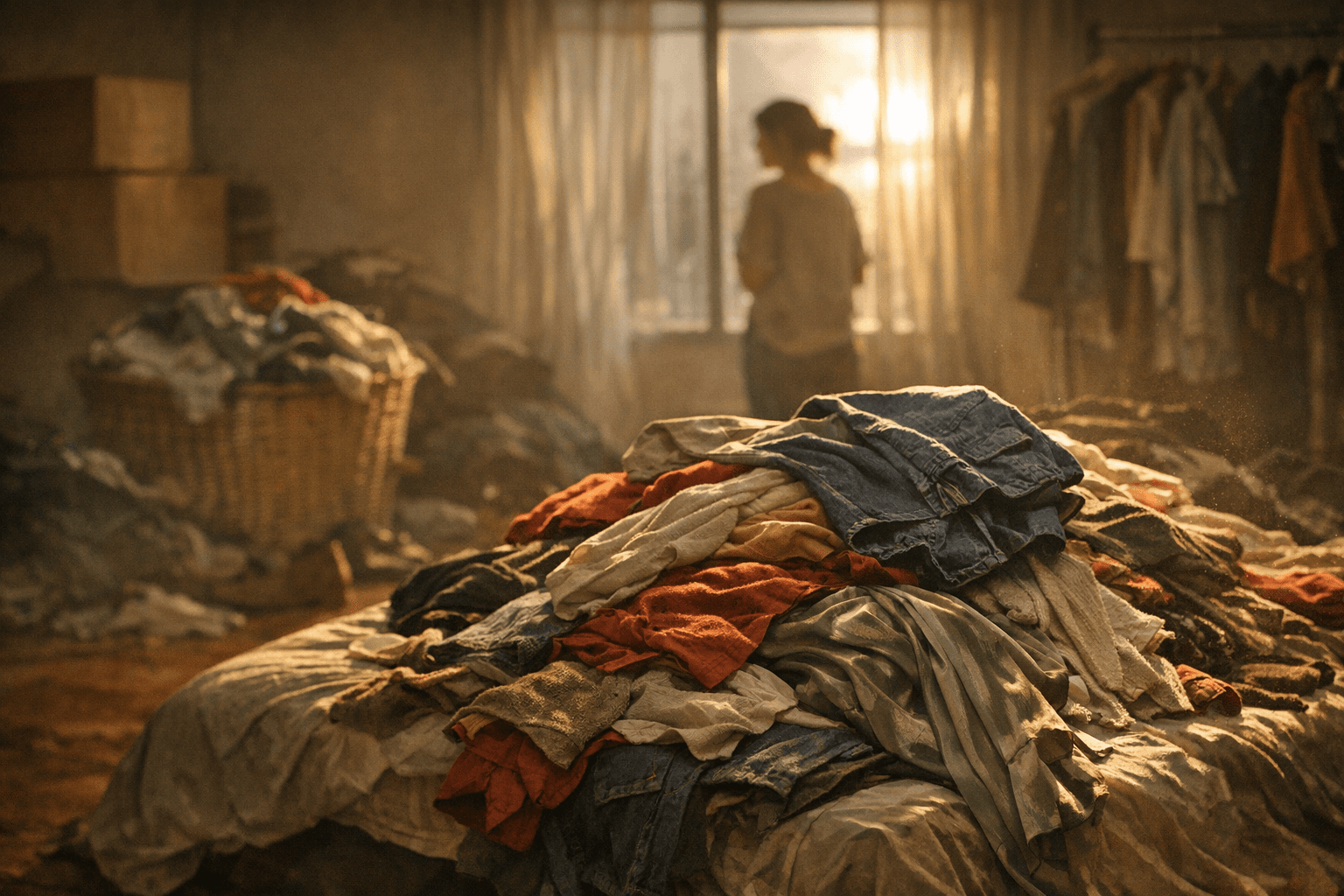
A cashmere coat hanging untouched for years may look harmless. In circular fashion, it is not. Reconomy says clothes left idle in wardrobes strip away perceived value, discourage care, repair and reuse, and are likely to be discarded anyway, which makes them almost as damaging as items tossed straight into landfill.
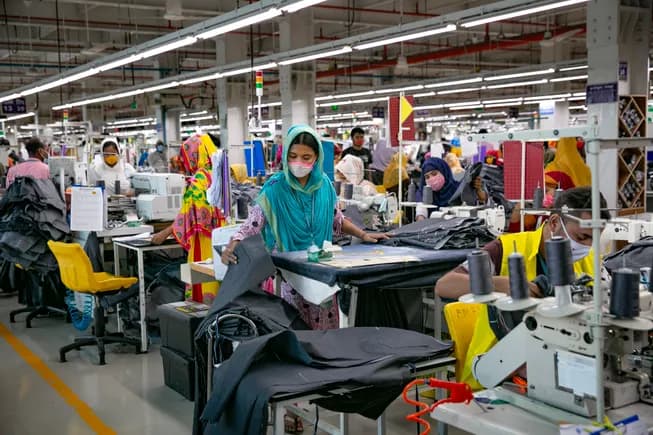
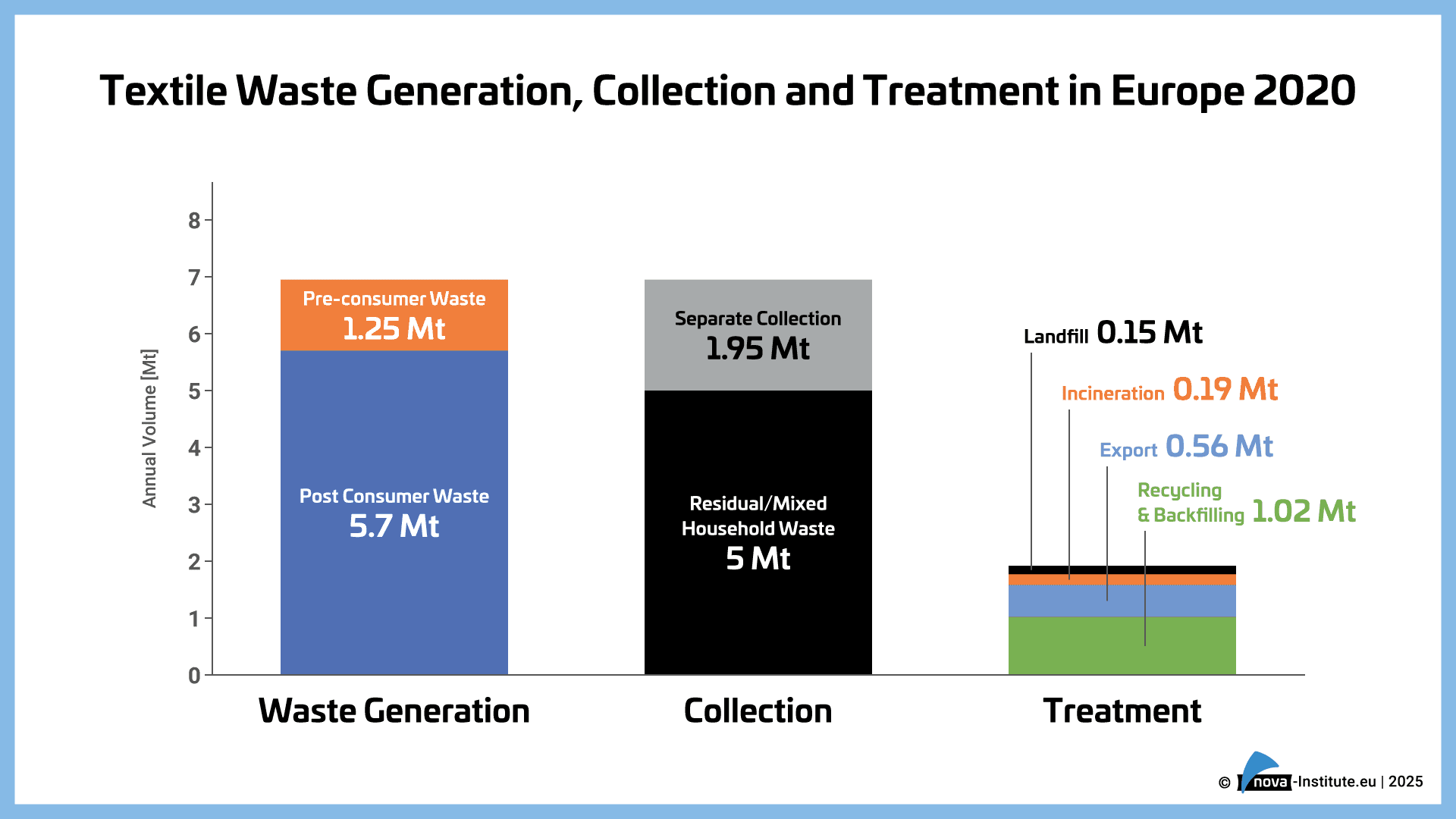
That matters because the stakes are enormous. The European Commission says the EU textile and clothing sector generated about €170 billion in turnover in 2023 and employed 1.3 million people across 197,000 companies. It also ranks textile consumption as the fourth highest environmental and climate impact in the European Union, behind food, housing and mobility. In other words, this is not a niche waste issue. It is a major industrial system with a heavy material footprint.
Brussels has already started to tighten the rules. On 5 July 2023, the European Commission proposed making producers responsible for the full lifecycle of textile products, with faster separate collection, sorting, reuse and recycling. The revised Waste Framework Directive entered into force on 16 October 2025 and requires every EU member state to set up extended producer responsibility schemes for textiles and footwear, paying for collection, reuse, preparation for reuse, recycling and disposal. The bloc’s goal was for member states to reach high levels of separate textile waste collection by 2025, but the gap between policy ambition and practice remains wide.
That is where Reconomy’s argument cuts through the sentimentality. The company says circularity cannot be reduced to resale racks and repair counters. Its wider circular-textiles materials focus on regulation, value-chain infrastructure and data, and its services cover returned product streams ranging from faulty production and warranty claims to overstock, pre-consumer materials and end-of-life materials. Reconomy also says many circular initiatives never move beyond pilot stage, a reminder that stylish sustainability language is cheap while the logistics underneath it are hard.
The real test for fashion is no longer how many garments are sold, but how long they stay useful and how cleanly they move back into circulation. If brands are judged on actual wear, reuse and recovery instead of sales volume alone, overproduction stops looking like growth and starts looking like waste with a price tag.
This article was produced by Prism’s automated news system from verified source data, official records, and press releases, then run through automated quality and moderation checks before publishing. The system is built and supervised by the people who set the standards it runs under. Read our full AI policy.
Did this article answer your question?