Industry and Policy Leaders Convene in San Diego to Operationalize Textile Circularity
Industry, policy and recycling leaders convened in San Diego Feb. 23 to 25 at the Textile Recovery Summit to push concrete steps for operationalizing textile circularity in the U.S. and globally.

The Textile Recovery Summit closed in San Diego on Feb. 25 after three days of focused talks and planning to operationalize textile circularity across the U.S. and beyond. Industry, policy and recycling leaders gathered at the summit to translate high-level commitments into practical next steps for collecting, processing and reintegrating used textiles into supply chains.
Held Feb. 23 to 25, 2026, the summit was co-located with the Plastics Recycling Conference and the Resource Recycling Conference, creating a rare cross-sector forum where textile waste met established recycling infrastructure conversations. That proximity pushed conversations beyond design theory and into logistics, with representatives from manufacturing, municipal recycling and material recovery operations able to compare notes in real time.
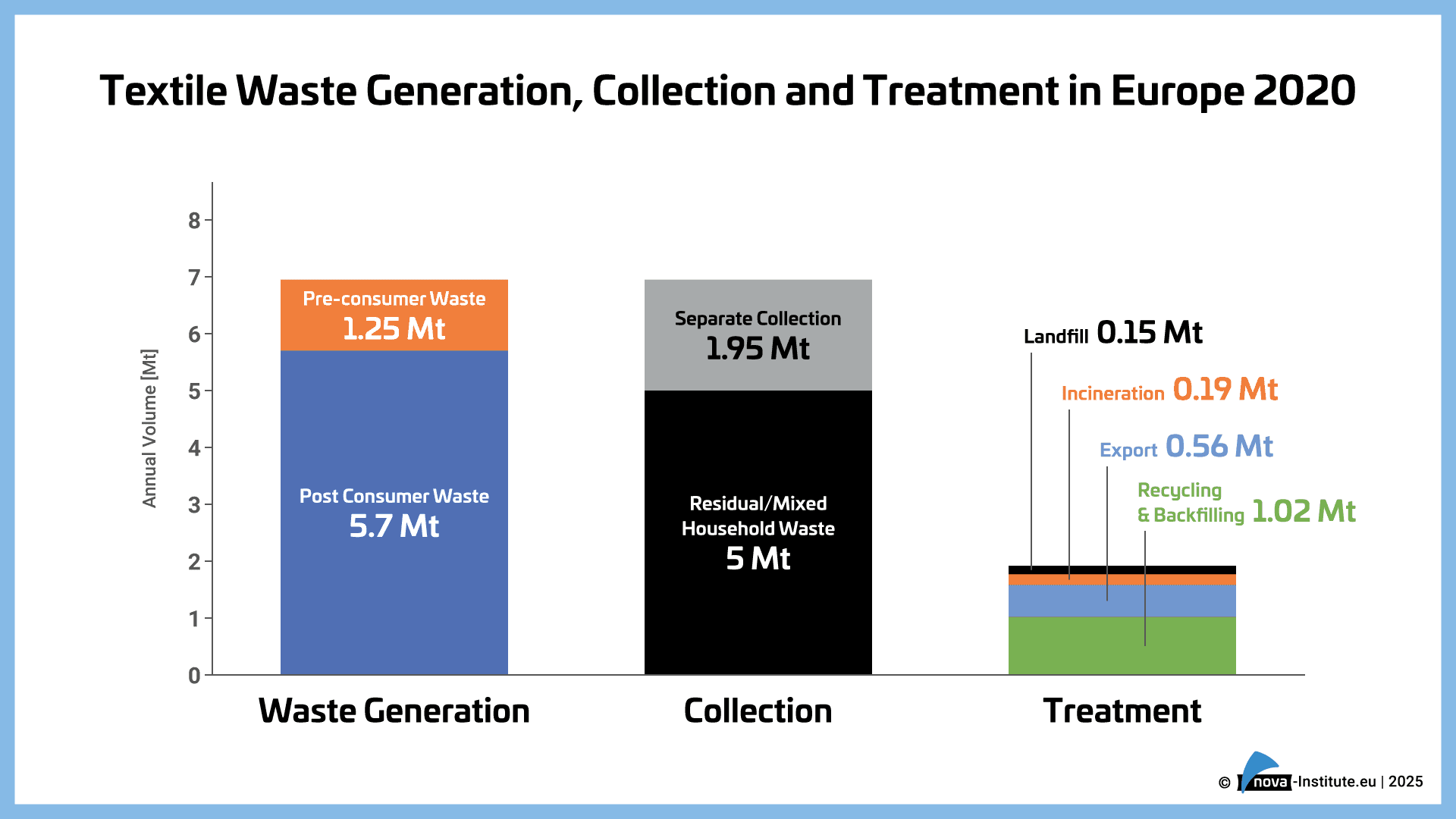
Sessions at the summit examined the mechanics of scale: how to route garments into existing recycling streams, where investment is needed in sorting and fiber reclamation, and how policy can align incentives for brands and processors. Organizers emphasized operationalizing textile circularity in the U.S. and globally, keeping the conversation anchored to measurable moves, pilots, procurement shifts and standards, that can reduce landfill-bound clothing volumes.

For fashion-minded readers, the implications are practical. If brands and recyclers take the summit’s planning seriously, shoppers may soon see more garments labeled for recyclability, clearer instructions for returns, and expanded municipal drop-off options born from the cross-pollination between plastics and textile recyclers in San Diego. The co-location with the Plastics Recycling Conference and Resource Recycling Conference signaled an industry shift: textiles are being treated as part of mainstream recovered materials flows rather than a separate, niche sustainability play.
San Diego’s summit set a calendar, not a promise. With industry leaders, policy makers and recycling professionals exchanging operational tactics over three days, the immediate outcome is a pipeline of pilots and partnerships to watch through 2026. If the conference achieved anything definitive, it was this: the question is no longer whether textile circularity is desirable, but how fast the sector can move from conference floor plans to functioning systems that keep fabric in use.
This article was produced by Prism’s automated news system from verified source data, official records, and press releases, then run through automated quality and moderation checks before publishing. The system is built and supervised by the people who set the standards it runs under. Read our full AI policy.
Did this article answer your question?