Ireland sets 2026-2028 textiles roadmap to cut waste, boost reuse
Ireland’s textiles plan makes brands help pay by April 2028, as 110,000 tonnes of clothing and fabric are still tossed each year.
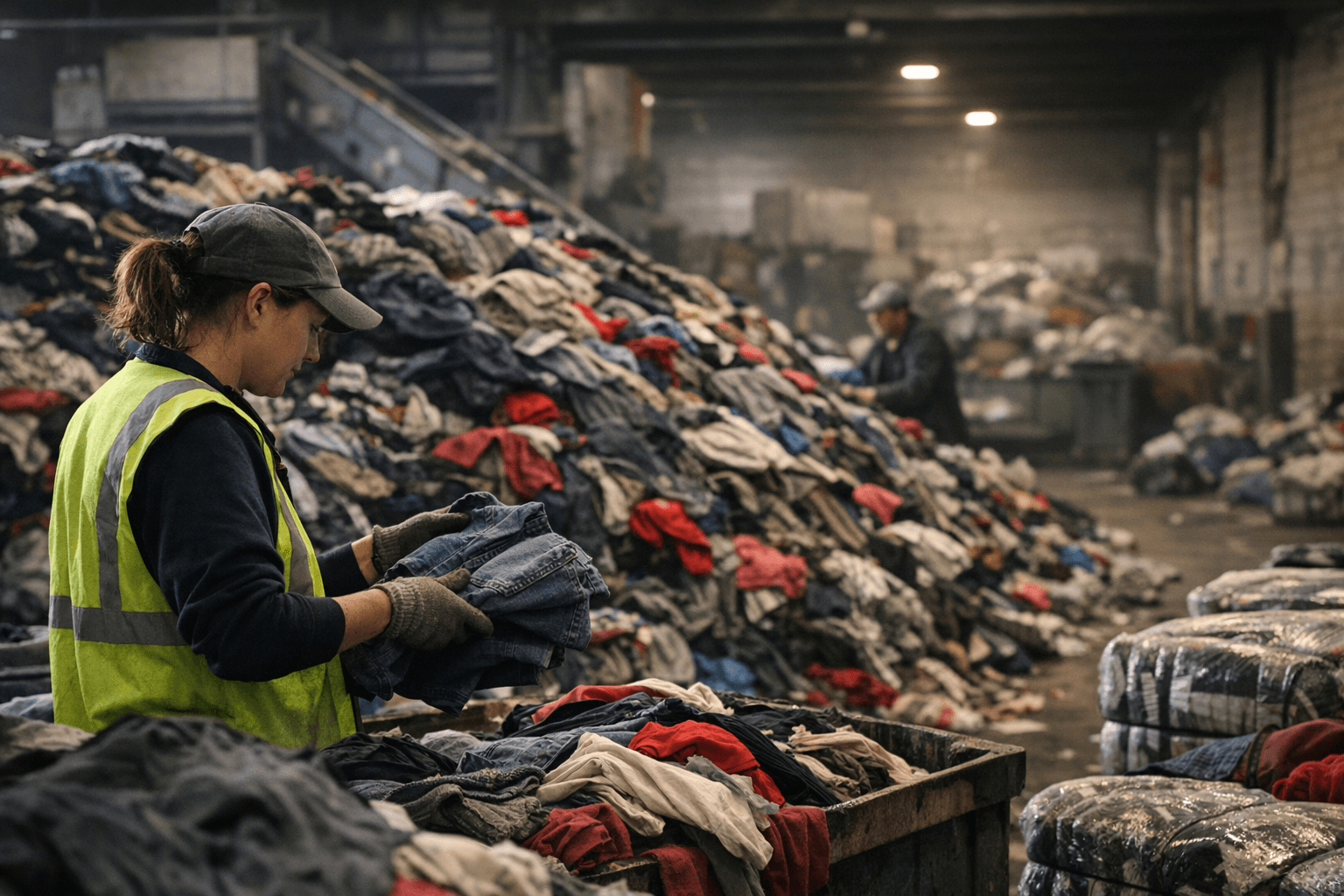
Ireland has put a hard deadline on a problem the fashion industry has long softened with slogans. Under its new 2026-2028 circular textiles roadmap, producers or retailers will have to help fund the collection and management of used clothing and other textiles by April 2028, a move designed to shift the sector away from the familiar take-make-waste model and toward reuse, repair and circular design.
The plan, published on 2 April 2026 by Minister of State Alan Dillon, is Ireland’s first National Policy Statement and Roadmap on Circular Textiles. The Department of Climate, Energy and the Environment says the framework is meant to cut textile waste while giving the country a clearer route to a more circular and sustainable textiles economy. It was shaped by the National Textiles Advisory Group, EPA work, local government partners, a 2025 public consultation, 2024 research on post-consumer textiles and EU-level negotiations on changes to the Waste Framework Directive.
The numbers explain why the government is moving now. The Environmental Protection Agency says Ireland discards about 110,000 tonnes of textiles waste every year, with roughly 64,000 tonnes thrown out through household kerbside waste, most of it clothing. Around 57,000 tonnes are collected separately through textile banks, commercial collections and direct donations to charity shops, yet only about 44,500 tonnes are sold for reuse. Of that, 6 percent is reused within Ireland and 21 percent is exported overseas. The rest ends up, for the most part, in waste-to-energy plants or landfill.
That is where the new public-awareness campaign matters. The government says it will steer people toward charity shops, textile banks, civic amenity sites and MyWaste.ie, so donated pieces have the best chance of being worn again rather than baled, burned or binned. In fashion terms, this is the difference between a second life for a sharp wool coat or pair of boots and a fast trip to the waste stream.
The roadmap also carries a sharper message for brands. The May 2025 consultation said textiles and clothing rank fourth for environmental and climate impact, after food, housing and transport, and signaled that Ireland would use the polluter pays principle through extended producer responsibility to support collection, sorting, reuse and recycling while pushing more sustainable fibres and business models. Stakeholder groundwork dates back to 2022, when the department set up the Textiles Advisory Group, chaired externally by Gwen Cunningham, with industry, community and regulatory voices at the table.
The policy lands alongside Ireland’s Circular Economy Strategy 2026-2028, launched in February 2026, which names textiles among the priority products for digital product passports and sets enhanced separate textile collection by 2030 as a national goal. Community Resources Network Ireland called the roadmap an important milestone. The real test now is whether Ireland builds a system that keeps clothes in circulation longer, or simply a cleaner way to describe the same pile of waste.
This article was produced by Prism’s automated news system from verified source data, official records, and press releases, then run through automated quality and moderation checks before publishing. The system is built and supervised by the people who set the standards it runs under. Read our full AI policy.
Did this article answer your question?


