ITS 2026 Winners Spotlight Material Innovation, Craft, and Circular Thinking
ITS 2026 named 10 winners spanning France, Belgium, China, the UK, and the US, with Belgian designer Chloë Reners taking home three awards including a Jury Special Mention.

Ten emerging designers from five countries claimed hardware at the 2026 International Talent Support contest, with the program's editorial framing in WWD centering on material innovation, craft, and circular thinking as the defining concerns of this year's cohort.
Belgian designer Chloë Reners, born in 1997, walked away with the most recognition of any single awardee: the I:C 10x10x10 Award, the I:C OTB Award, and a I:C Jury Special Mention. France-based Tidjane Tall, born in 2000, was close behind, collecting the I:C 10x10x10, the I:C OTB, and the I:C Fondazione Sozzani Award. China's Wenji Wu, born in 1995, claimed four prizes: alongside the 10x10x10 and OTB awards, Wu received the I:C Camera Nazionale Della Moda Italiana Award and the I:C Modateca Deanna Award, the broadest haul of institutional recognition in the 2026 class.
The accessories category produced one of the more notable results. Jamie O'Grady, a UK-based accessories designer born in 2001, took the I:C Fondazione Ferragamo Award alongside the I:C WRÅD Award, the latter a prize associated with responsible design and circular methodology. That pairing of a heritage luxury foundation and a sustainability-focused partner signals where the conversation around craft is heading. William Palmer, also from the UK and at 34 the oldest winner in the group, added the I:C PITTI IMMAGINE AWARD to the standard 10x10x10 and OTB wins. Steven Chevallier, a French designer born in 1995, claimed the I:C Ray-Ban part of EssiloLuxottica Award alongside his two other prizes, extending the contest's reach into eyewear and accessories adjacency.
Rounding out the ten are Darius Betschart from France, born in 2000; Anna Maria Vescovi from the US, born in 1999; Yi Ding from China, born in 1997; and Stan Peeters from Belgium, born in 2003, the youngest of the cohort. Peeters, at just 23, and Betschart shared the 10x10x10 Award without additional category prizes, while Vescovi and Ding each added the OTB Award.
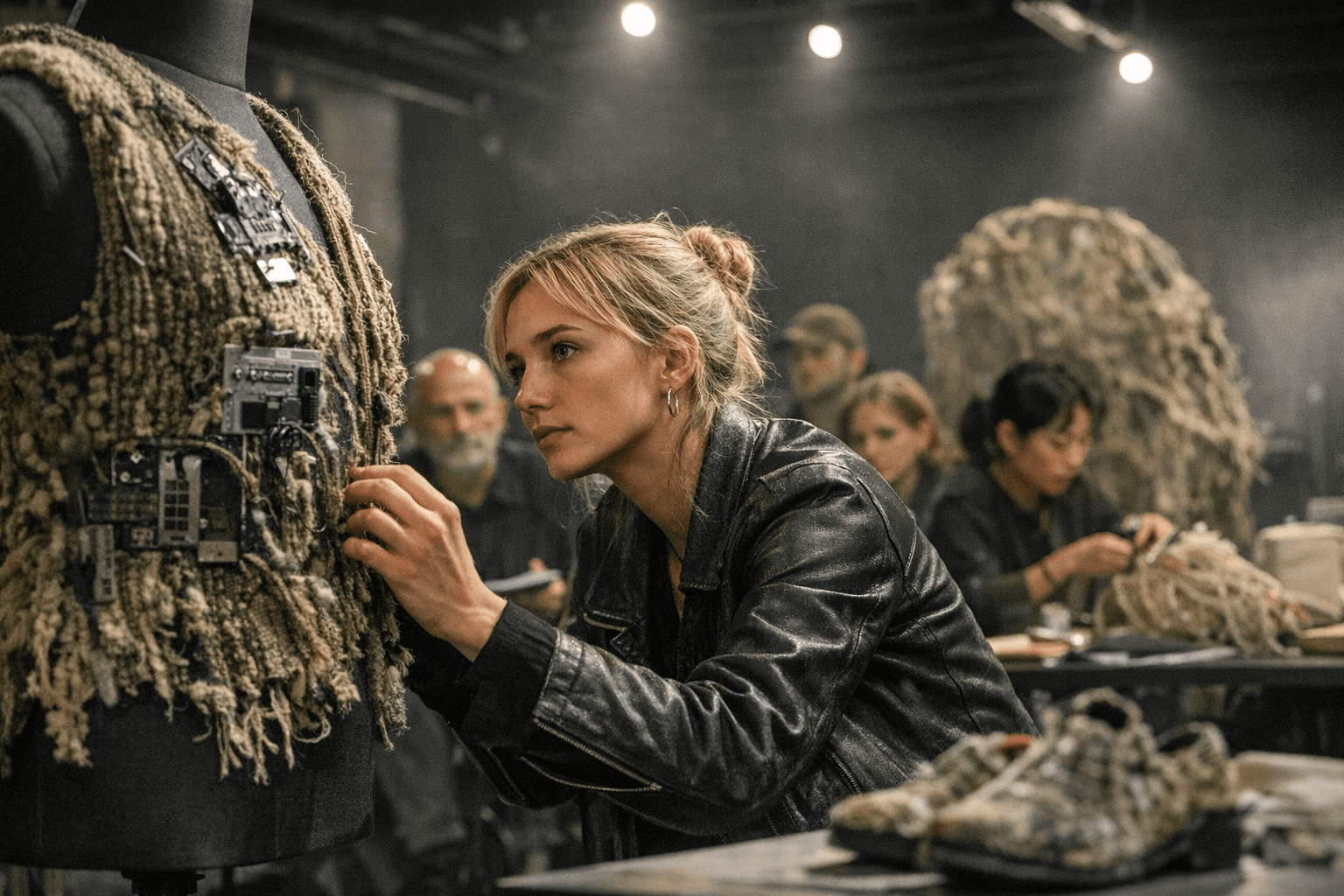
The program's own framing of the 2026 class is worth sitting with. ITS describes these designers as treating fashion as "a laboratory of identity, where transformation replaces definition and the body becomes a political arena," and notes that "chaos becomes a method: craftsmanship, awareness, and multiplicity shape their language." That language isn't marketing boilerplate for this cohort. Five nationalities in ten designers, with birth years spanning from 1992 to 2003, points to a program genuinely committed to geographic and generational spread rather than clustering around a single school or scene.
The structural backbone for that exchange is the ITS Residency in Trieste, a 10-day intensive that brings selected designers together for creative collaboration at what the program calls "the crossroads of Europe." It functions as a bridge between the competitive award structure and longer-term professional development, though the specific mentors and workshop agenda for the 2026 edition have not been detailed publicly.
What the award roster does confirm is that the ITS ecosystem, supported by partners ranging from Fondazione Ferragamo and Camera Nazionale Della Moda Italiana to WRÅD and PITTI IMMAGINE, is staking its credibility on designers who treat circularity and craft not as ethical add-ons but as core methodology. For a contest running across student and emerging-designer categories, that positioning increasingly looks less like a curatorial choice and more like the only honest read of where the next generation of fashion is actually working.
This article was produced by Prism’s automated news system from verified source data, official records, and press releases, then run through automated quality and moderation checks before publishing. The system is built and supervised by the people who set the standards it runs under. Read our full AI policy.
Did this article answer your question?