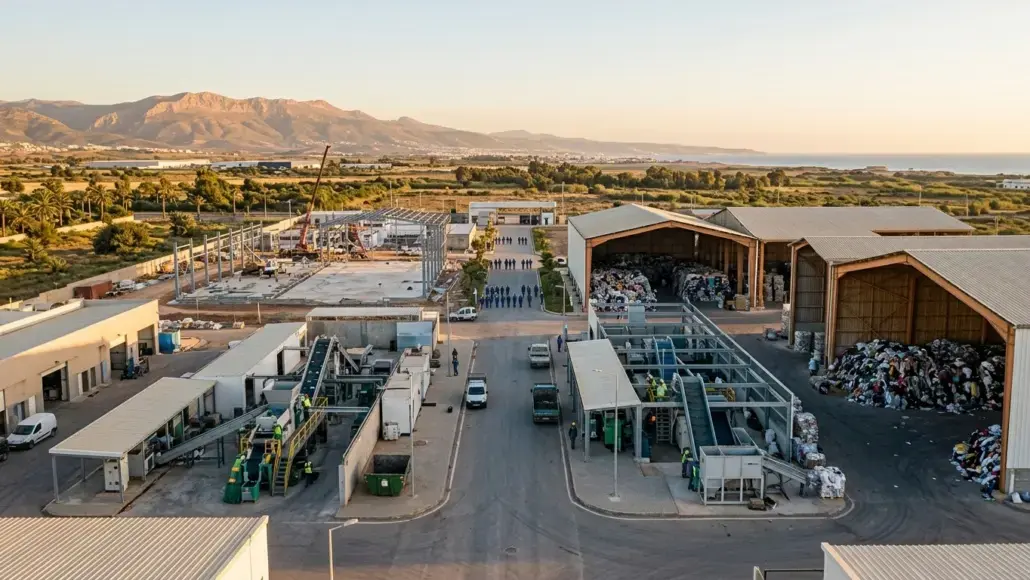
Keel Labs files Chapter 11, exposing risks in seaweed textiles
Keel Labs’ Chapter 11 filing lays bare a brutal math problem: runway buzz around seaweed yarn never turned into the steady orders a textile business needs.

Keel Labs’ Chapter 11 filing turns the seaweed-textile boom story into something starker: the fashion world’s appetite for next-gen materials did not add up to a business that could keep its bills current. The North Carolina startup, best known for Kelsun, had managed to attract heavyweight names and plenty of climate-forward attention, but the bankruptcy papers show how fast that glow can fade when rent, revenue and manufacturing reality stop lining up.
The filing, lodged in Wake County, listed nearly $1.4 million in assets against just under $337,000 in debts, including $323,000 described as past-due rent owed to landlord SBP Office Owner. That dispute had already spilled into court in March, when the landlord said Keel Labs had left its Morrisville, North Carolina, offices the previous November without returning keys, badges and other access devices, and had “refused and continues to refuse to pay the past-due sums.”
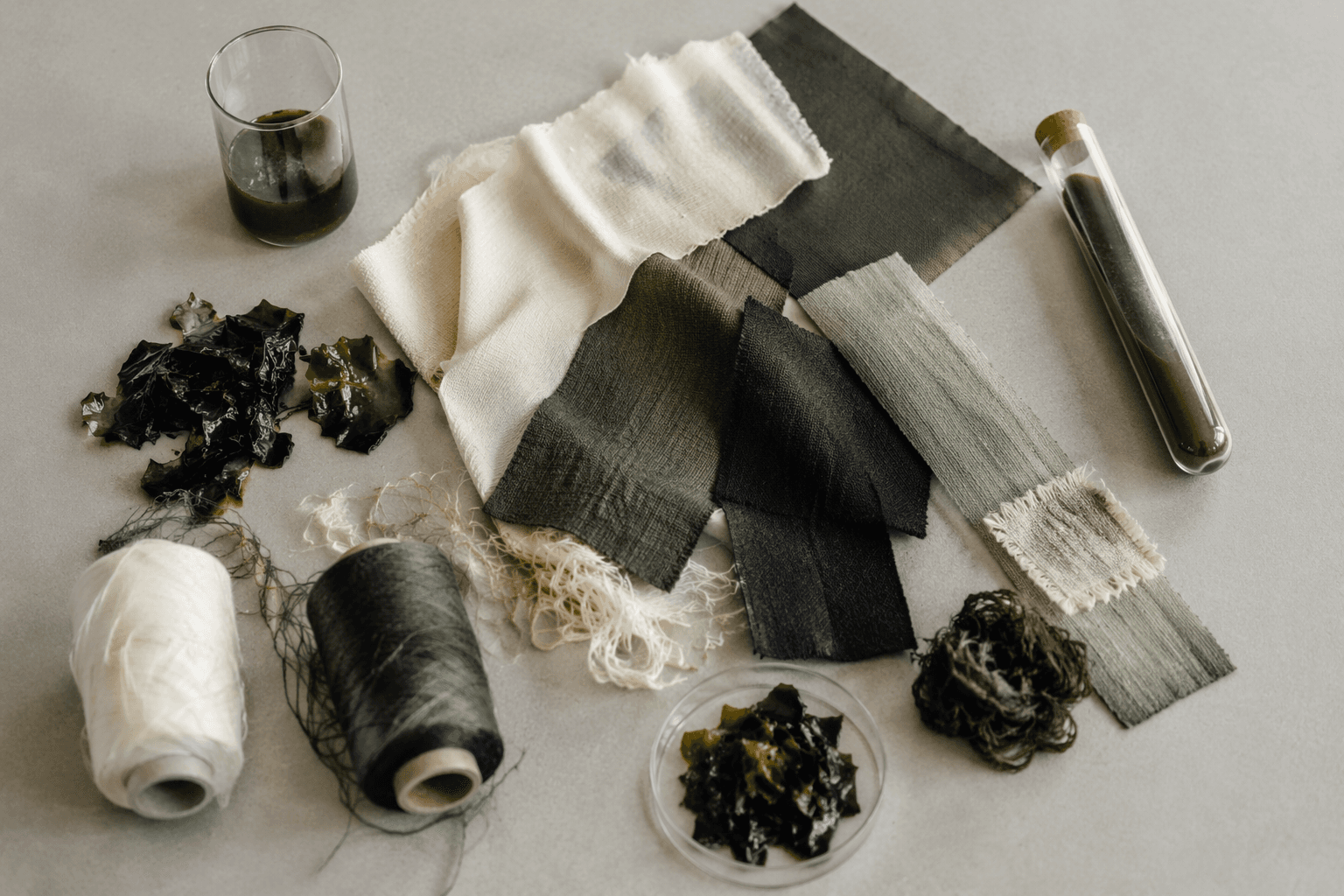
The real warning sign is not just the lawsuit. Keel Labs’ revenue fell from about $139,000 in 2024 to just under $17,000 in 2025, then dropped to essentially nothing in 2026 before the filing. For a materials company, that is the difference between a promising pilot and a production line that never catches enough commercial momentum to support itself.
That is the commercialization gap sustainable fashion keeps running into: brands can love the story, stage it on a runway and trial it in a capsule collection, but love is not volume. Keel Labs had partnerships with H&M Group and Stella McCartney, who used fabrics made from Kelsun in a 2023 Paris Fashion Week show, yet the company still could not convert that visibility into the kind of repeated, high-enough order book that would justify the infrastructure needed to make seaweed fiber a real industrial material. Founded in 2017 by Aleks Gosiewski and Tessa Callaghan, and later rebranded from AlgiKnit, Keel Labs was built to look like the future; the bankruptcy shows how hard it is to sell the future at a price and scale the market will actually sustain.
Even the empty office space tells the story. Simplifyber, another textile startup, has already leased part of the space Keel Labs vacated, a small but telling sign that the innovation pipeline is still moving, even as the sector’s most visible names struggle to turn materials breakthroughs into durable manufacturing businesses. The next wave of fiber innovation will need more than buzz: it will need bigger commitments, sturdier supply chains and buyers willing to pay for scale before scale exists.
This article was produced by Prism’s automated news system from verified source data, official records, and press releases, then run through automated quality and moderation checks before publishing. The system is built and supervised by the people who set the standards it runs under. Read our full AI policy.
Know something we missed? Have a correction or additional information?
Submit a Tip