Lenzing Brings VEOCEL Lyocell Production to Asia, Cutting Supply Chain Emissions
Lenzing's 100,000-ton Thailand plant now makes VEOCEL nonwoven lyocell for the first time in Asia, cutting shipping emissions and lead times for brands across wipes and hygiene.
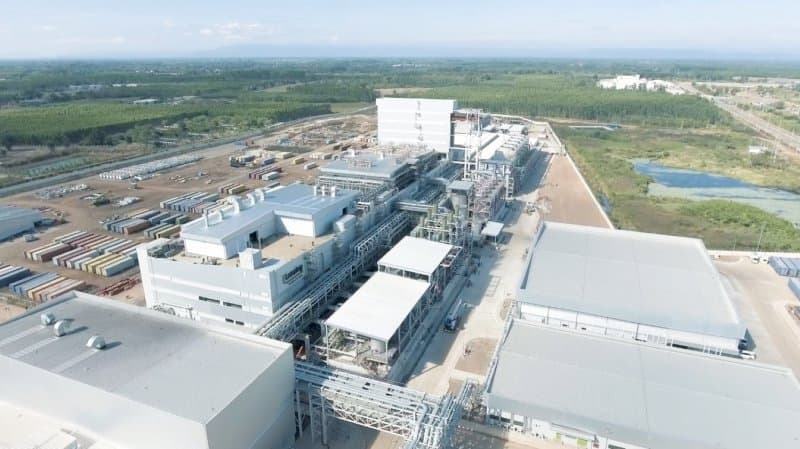
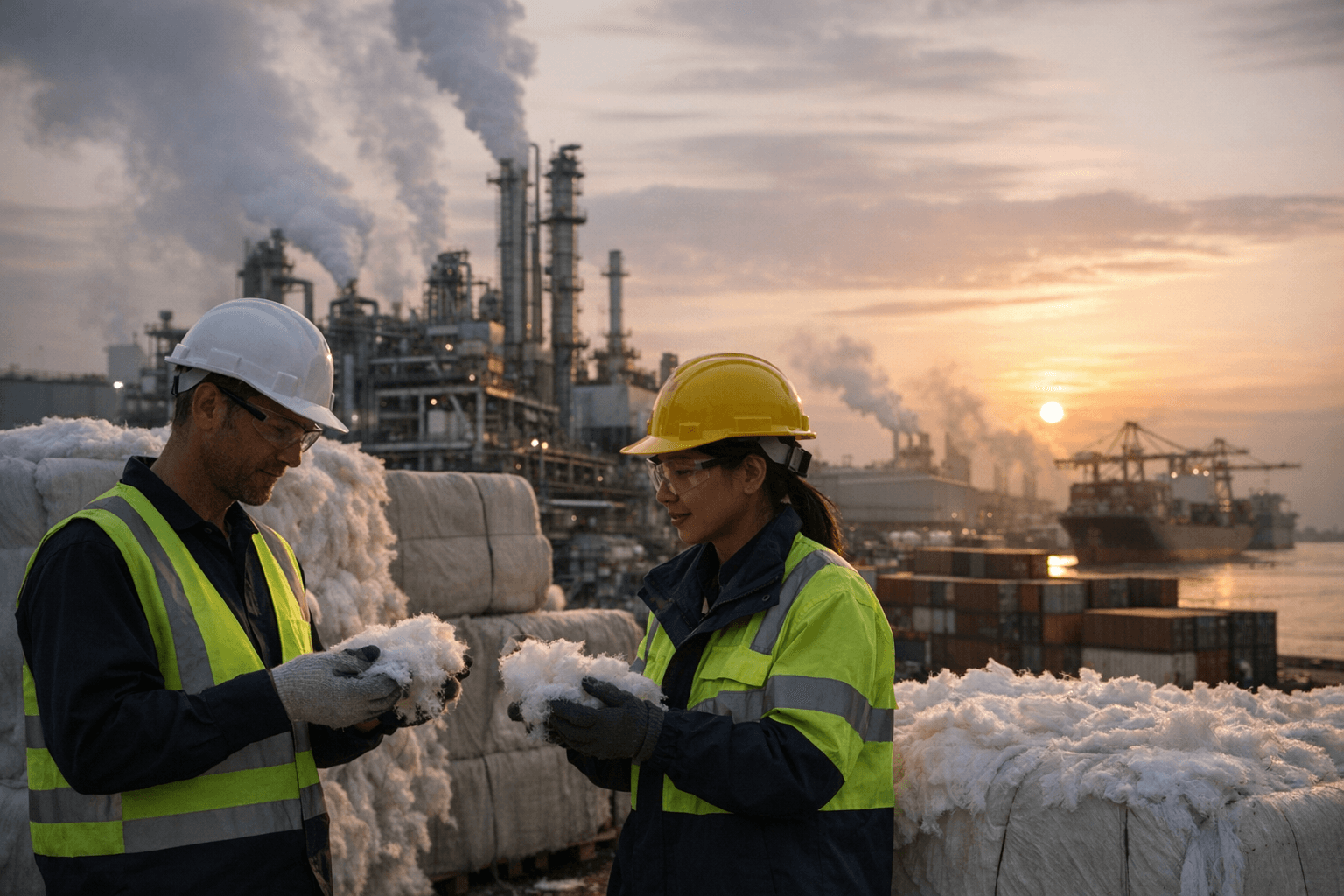
Asia-Pacific absorbs more than 40% of global nonwovens output, and until March 31 every spool of VEOCEL lyocell fibre feeding that market crossed an ocean from Austria. Lenzing changed that equation when it activated nonwoven-grade lyocell production at its Prachinburi, Thailand facility, the first time this fibre grade has been manufactured anywhere in Asia.
The Prachinburi plant, built in 2022 with a 100,000-ton annual capacity, had previously focused on textile-grade lyocell. Expanding it to produce VEOCEL nonwoven grades cuts the supply chain at its longest seam: the freight leg between European production and Asian converters. For brands sourcing biodegradable wipes, facial sheet masks, baby hygiene liners, and technical nonwovens, shorter lead times mean faster iteration and, critically, a more traceable chain of custody for materials that rarely surface in sustainability audits even though they touch the consumer directly.
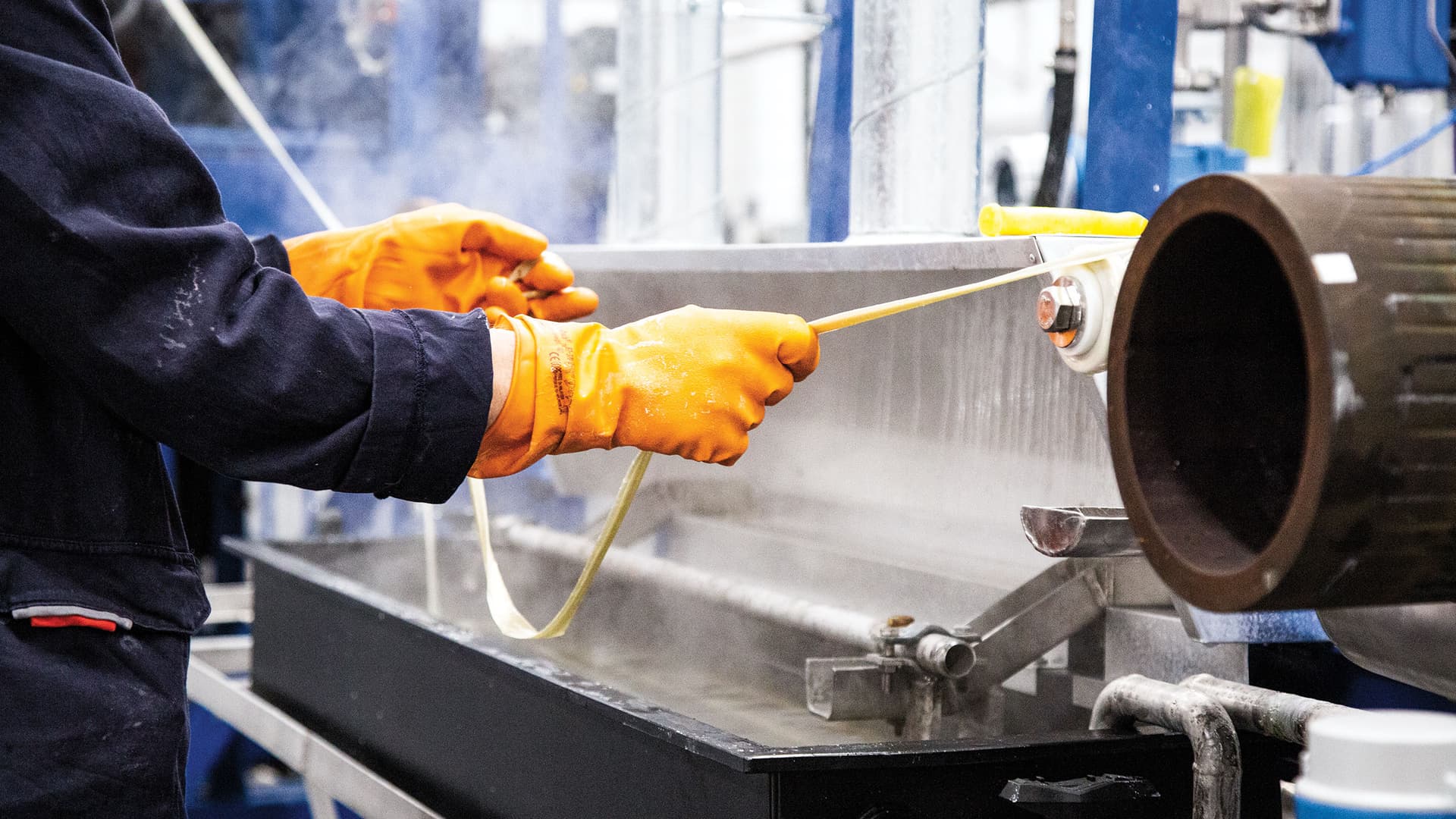
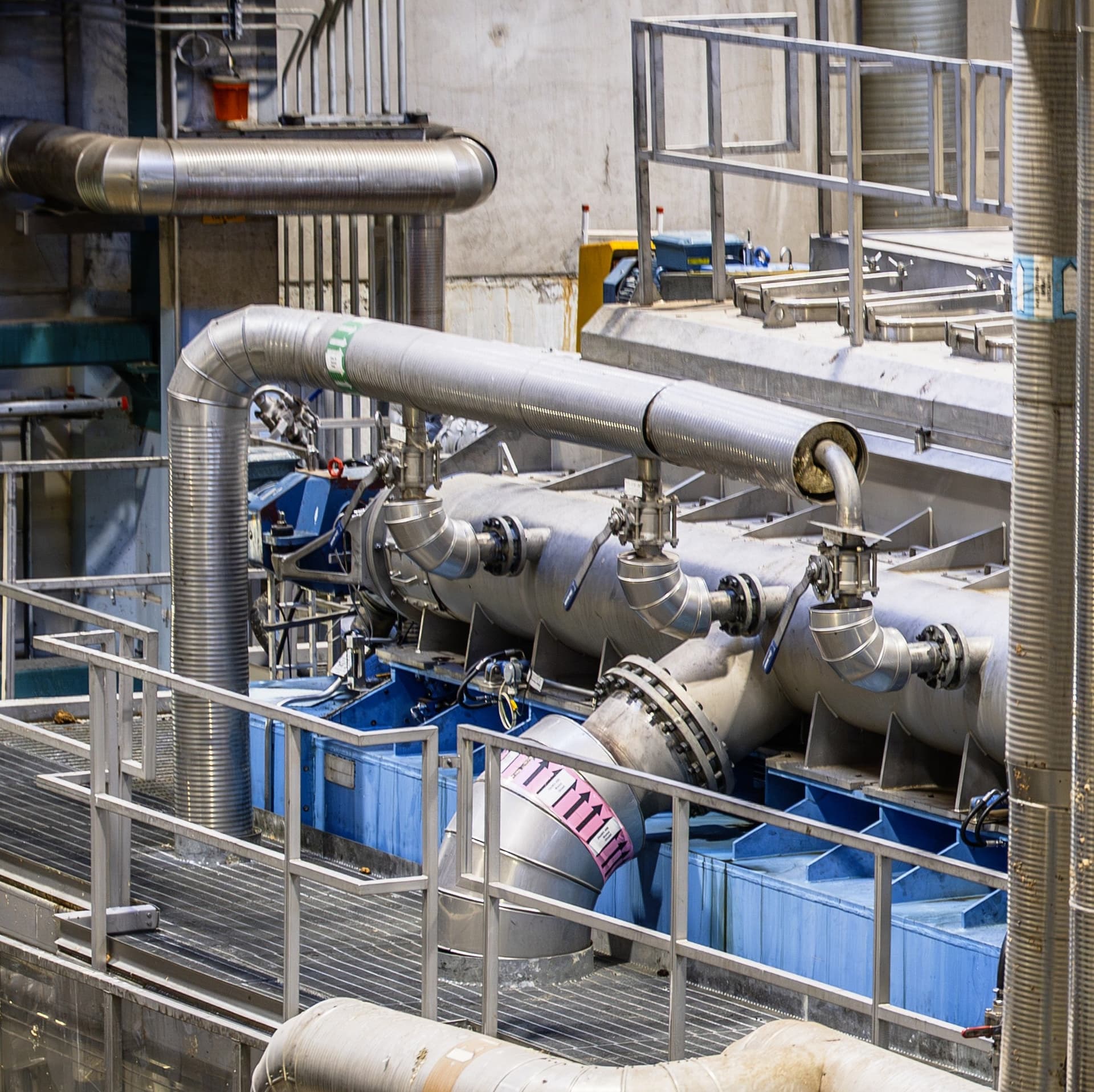
The lyocell production process is where Lenzing's environmental argument is strongest. The closed-loop system recovers up to 99.8% of N-Methylmorpholine-N-oxide, the organic solvent used to dissolve cellulose into a spinnable dope. That near-total recapture means minimal solvent discharge into air or waterways, a significant improvement over conventional viscose, which relies on carbon disulfide and generates sulphur compounds at scale. VEOCEL fibres also carry biodegradability and compostability certifications, making them a credible alternative to the polypropylene and polyester nonwovens that currently dominate the category.
What the Thailand expansion does not resolve is equally worth naming. Lyocell's wood-pulp feedstock still requires responsible forest governance, and moving production from Austria to Prachinburi does nothing to change how upstream timber is sourced or certified. The plant is targeting 95% biomass energy by 2027 and full Scope 1 and 2 carbon neutrality by 2030; both remain targets, not current conditions. End-of-life is still context-dependent: biodegradability claims hold under industrial composting, but wipes disposed of in landfill or flushed into wastewater systems do not decompose on any meaningful timeline regardless of fibre origin.
Krishna Manda, Lenzing's Global Head of Sustainability, framed the move as foundational rather than final: "Our site in Thailand was built with future growth and our ambitious climate goals in mind. Once fully commercialized, this capability will play a vital role in transitioning the regional nonwovens industry from fossil-based synthetics to biodegradable, cellulosic alternatives."
That transition is genuinely underway across Asia, where personal care consumption is rising fastest and plastic-reduction regulation is tightening across multiple markets simultaneously. For fashion-adjacent brands embedding lyocell liners in structured bags, specifying nonwoven interlinings in tailoring, or sourcing biodegradable sheet masks for retail bundling, the Austrian supply bottleneck was a quiet tax on ambition. Regional production at Prachinburi removes it. The harder accountability work, on forest governance and end-of-life infrastructure, is still ahead.
Know something we missed? Have a correction or additional information?
Submit a Tip