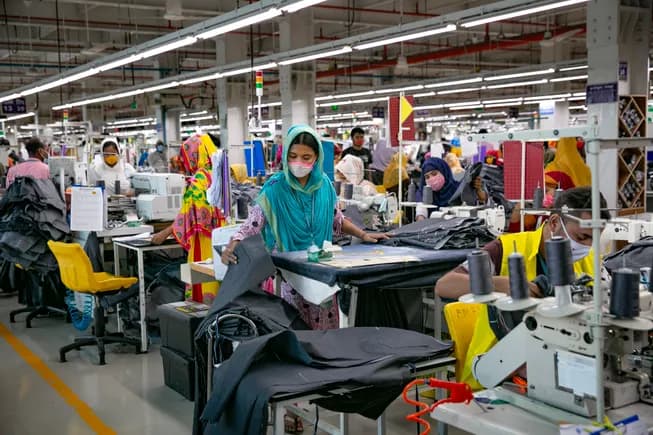
Levi’s Faces ESG Dispute Over Turkey Factory Labor and Sustainability Claims
CCC says Levi’s sustainability promises collided with a Turkish factory dispute, where 400 workers were fired after a protest and labor claims are now under a microscope.
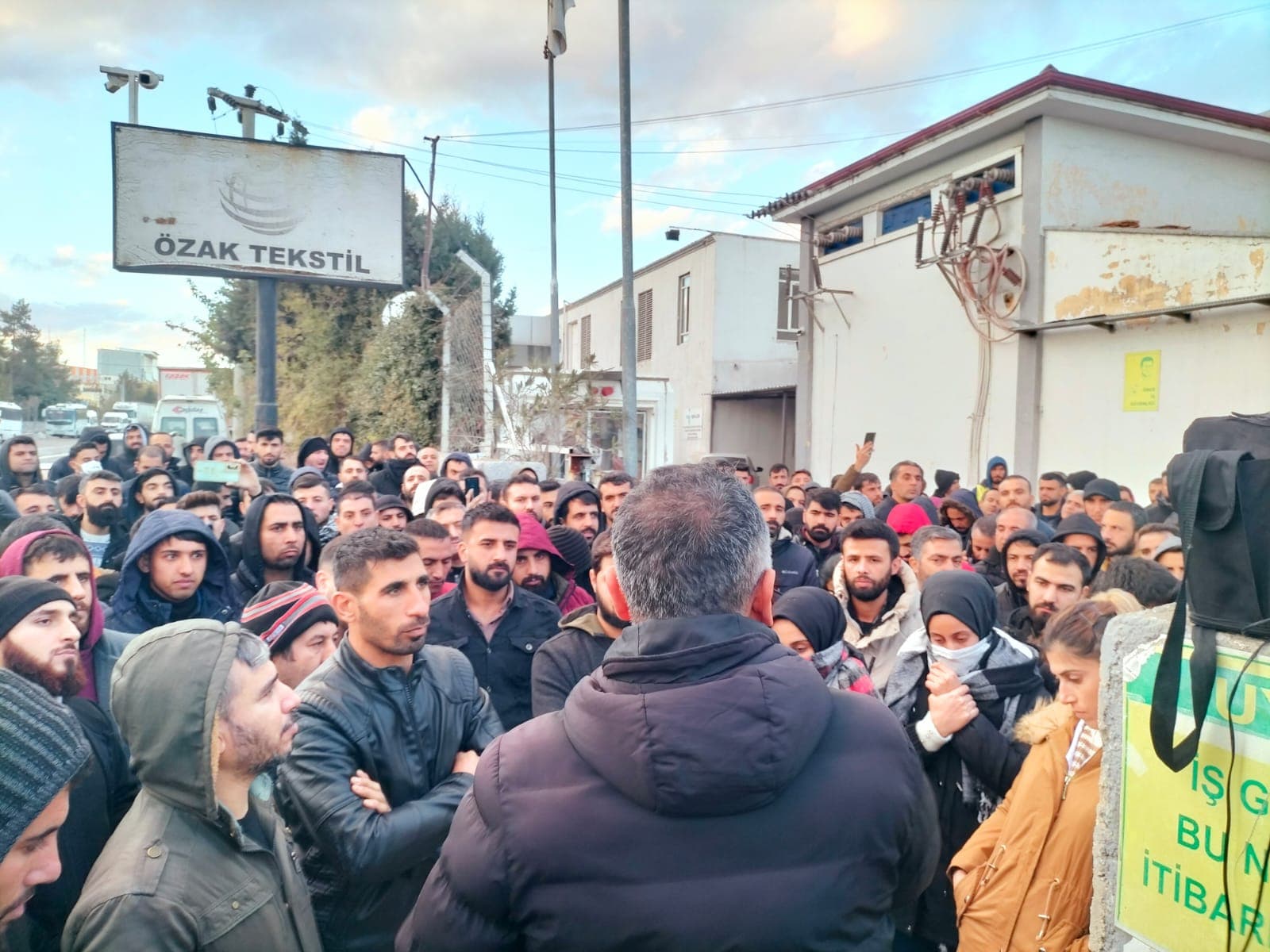
The sharpest ESG risk in fashion is no longer a broad promise about doing better. It is a question of proof: can Levi’s show that its talk of climate, consumption and community matched the reality inside Özak Tekstil in Türkiye, where 400 workers were fired after a peaceful protest over pay and conditions?
Clean Clothes Campaign, the long-running garment-worker advocacy network founded in 1989, says it is suing Levi Strauss & Co. together with four consumers, Bego Demir, Khalid Mahmood, Alena Ivanova and Armin Šestić, over misleading claims about working conditions. CCC says those consumers only learned in 2025 that Levi’s marketing may have overstated the company’s labor and sustainability record after the group amplified accounts of repression at the Turkish factory that made jeans exclusively for Levi’s.
The dispute centers on a protest on 27 November 2023, when workers at Özak Tekstil walked out peacefully demanding better pay and working conditions. CCC says provincial security forces tear-gassed, beat, pepper-sprayed and detained workers, and that factory management then fired all 400 protesters. The campaign group says Levi’s had promised to press the factory to rehire workers who were unlawfully terminated, but later stopped communicating with the union and labor-rights advocates even as production continued for Levi’s.
That is why this case matters far beyond one supplier in Türkiye. Levi’s has built much of its public sustainability identity around climate, consumption and community, the kind of polished messaging that sounds reassuring on a website and in a store window. But in a dispute like this, those words are only as strong as the paper trail behind them: payroll records, disciplinary files, union correspondence, remediation steps, and a clear record that the brand acted when the factory came under fire.
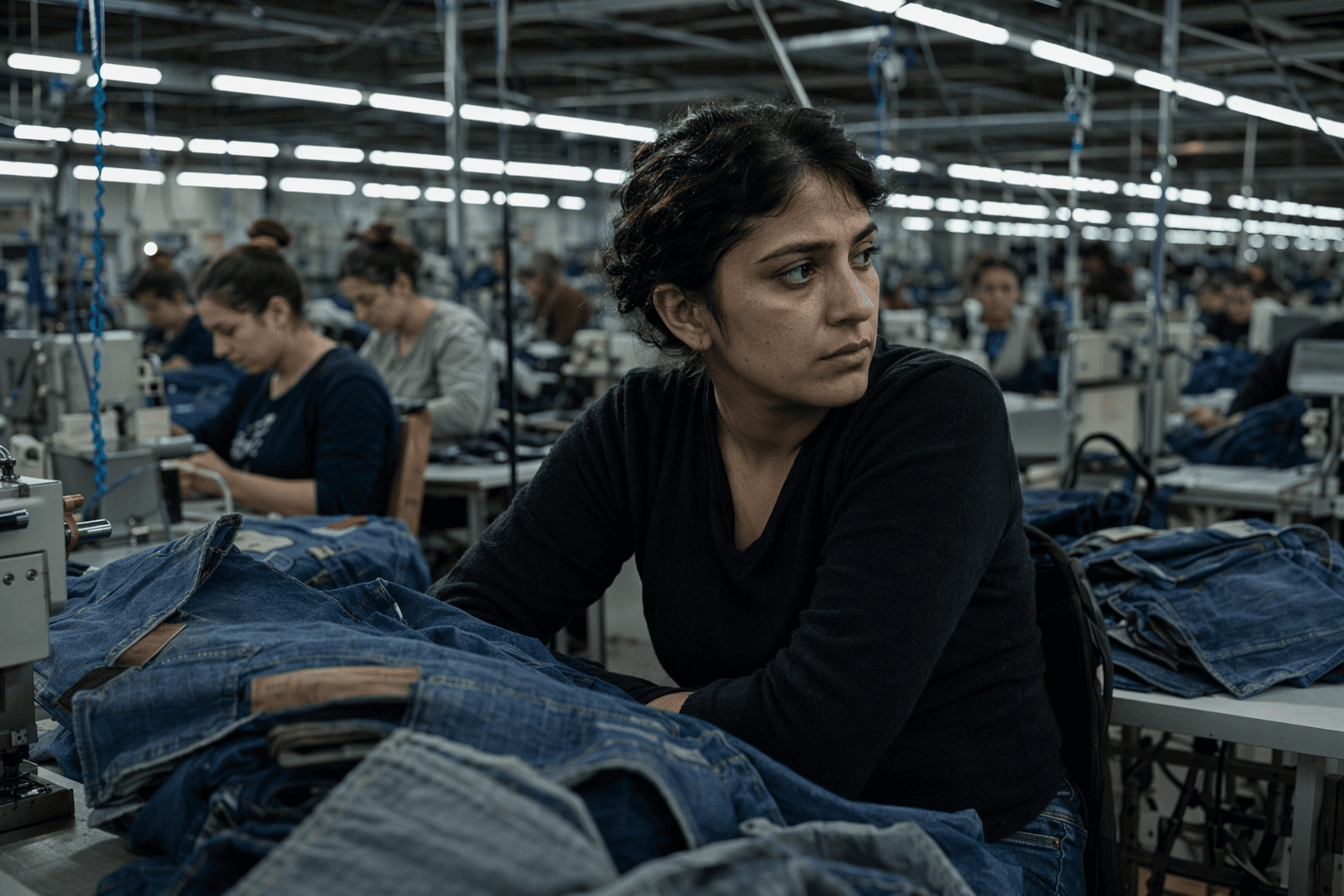
Levi Strauss says its sourcing agreements require suppliers to comply with applicable laws, its Global Sourcing and Operating Guidelines, and its Terms of Engagement, which cover child labor, forced labor, wages and benefits, freedom of association, discrimination, and health and safety. That is the standard the brand will now be judged against, not by the elegance of its language but by whether it can document enforcement in a factory where workers say they were punished for organizing.
The wider lesson for fashion is blunt. In Türkiye, where garment workers in Şanlıurfa, Gaziantep, Kahramanmaraş, Malatya and Adıyaman have already endured post-earthquake hardship and wage pressure, sustainability claims are being tested claim by claim, supplier by supplier. Brands can no longer rely on sweeping ESG language; they will need evidence that reaches all the way to the factory gate, and sometimes past it, into the lives of the people making the clothes.
This article was produced by Prism’s automated news system from verified source data, official records, and press releases, then run through automated quality and moderation checks before publishing. The system is built and supervised by the people who set the standards it runs under. Read our full AI policy.
Did this article answer your question?