March 2026 Fashion Trends Put Sustainability at the Season's Center
Lululemon's Spring 2026 collection signals a broader industry shift: sustainable fashion has crossed from niche to mainstream, reshaping how brands design and how consumers shop.
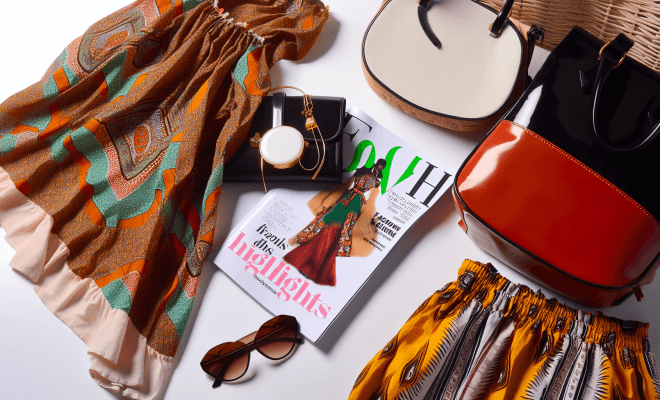
Sustainable fashion has stopped asking permission. Across the collections, trend reports, and brand moves defining March 2026, the clearest signal is that environmental consciousness is no longer a selling point layered on top of style; it is the foundation the season is built on.
Lululemon Leads With Fabric and Function
The most concrete brand-level example of this shift comes from Lululemon's Spring 2026 collection, which has drawn attention for its increased use of sustainable fabrics alongside a design philosophy centered on versatile, multi-wear pieces. The combination matters because it addresses the two most persistent criticisms of sustainable fashion: that eco-friendly materials compromise performance, and that ethical clothing lacks the adaptability modern wardrobes demand. A piece that moves from a morning run to a weekend errand without missing a beat is, almost by definition, less wasteful than one designed for a single context. Lululemon's Spring 2026 collection positions versatility and sustainability as the same argument, not competing ones.
The specifics of which sustainable textiles the brand has expanded its use of remain to be confirmed directly with Lululemon; the trend round-up noting the collection does not break down fabric composition by percentage or name specific materials. What is clear is the directional commitment: more sustainable inputs, more purposefully designed pieces.
The Industry Playbook: What Sustainable Practice Actually Looks Like
Beyond any single brand, the practices being adopted across the industry this season follow a consistent set of principles. Brands are incorporating organic fabrics and recycled materials into their supply chains while pressing for more ethical manufacturing processes throughout production. On the consumer-facing side, eco-friendly initiatives now commonly include:
- Recycling old garments rather than sending them to landfill
- Using biodegradable fabrics that break down without persistent environmental impact
- Reducing water consumption at the manufacturing stage
- Supporting fair labor practices across the supply chain
Patagonia has been doing this work longer than most, and remains one of the clearest reference points for what environmental responsibility in fashion looks like when it is embedded in a brand's identity rather than treated as a seasonal campaign. The outdoor apparel company's long-standing commitment to recycled materials, garment repair programs, and supply chain transparency sets a benchmark that more fashion brands are now measuring themselves against.
The business case for this commitment has also sharpened. Brands that prioritize sustainability often earn stronger customer loyalty, a dynamic that has shifted the conversation in boardrooms as well as design studios. Sustainability is no longer positioned as a sacrifice of margin for principle; the evidence increasingly points the other direction.
From Niche to Normal: The Market Has Moved
The clearest piece of market framing in this season's reporting is also the most consequential: sustainable fashion is no longer a niche market. It is becoming mainstream. That shift, consistently noted across trend analysis published in early March 2026, reflects a consumer base that has fundamentally changed its expectations. Shoppers are demanding greater transparency about where and how their clothes are made, and brands that cannot or will not provide that transparency are losing ground to those that can.
Conscious shopping decisions carry real planetary impact, and the growing availability of sustainable options means that making those decisions no longer requires sacrificing style, fit, or function. The mainstreaming of sustainable fashion is, at its core, a story about access: ethical and beautiful clothing is increasingly available at more price points, in more silhouettes, for more occasions.
The Capsule Wardrobe as a Sustainability Statement
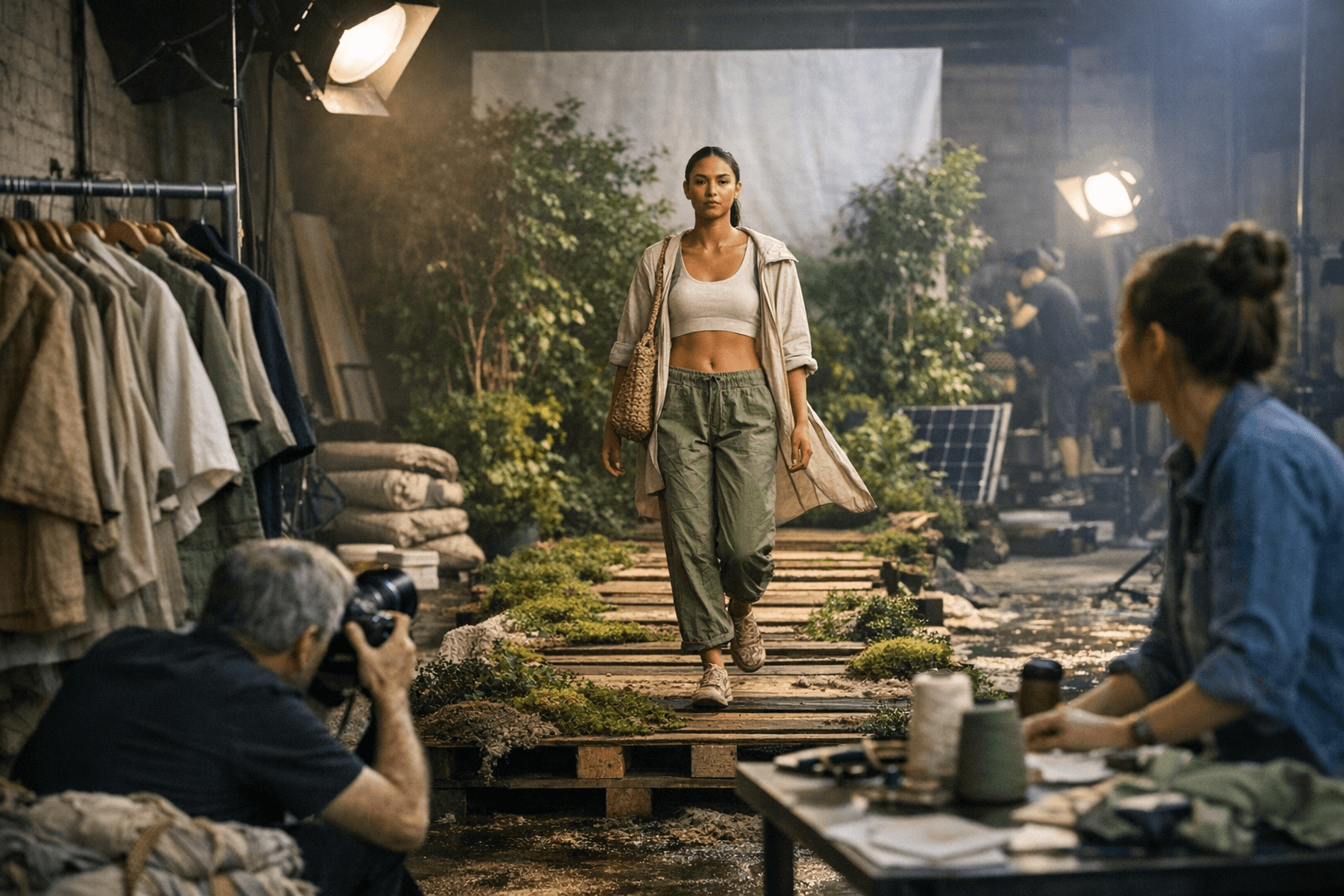
One of the stylistic trends most directly aligned with sustainable thinking this season is the continued rise of the capsule wardrobe. The appeal is straightforward: fewer, better pieces that work across contexts. Neutral colors, clean lines, and timeless designs that allow for effortless mixing and matching reduce the need for constant purchasing, which is itself a form of environmental action.
The capsule wardrobe is also a styling argument. A wardrobe built around high-quality, versatile pieces in a cohesive palette is one that consistently looks intentional. Dove grey knits, warm ivory tailoring, stone-toned trousers: these are garments that age gracefully and pair intuitively, demanding less from your morning routine and less from the planet over the course of a year. The alignment between minimalist aesthetics and reduced consumption is not coincidental; it is structural.
Lululemon's emphasis on multi-wear pieces maps directly onto this logic. When a single garment serves multiple functions across multiple contexts, the per-wear environmental cost drops significantly. Design for versatility is, in practice, design for sustainability.
Bold Color and Retro Energy: The Season's Other Current
Not every March 2026 trend is built around restraint. A retro revival and a push toward bold color are also emerging as seasonal forces, offering a counterpoint to the capsule wardrobe's quieter palette. The full scope of which designers and collections are driving that energy is still coming into focus, but the direction is clear: maximalism has not left the building, and the season holds space for both the considered neutral and the confident statement piece.
The important note for sustainable shoppers engaging with bolder, trend-driven color stories is the same principle that applies to the capsule: quality over volume. A single well-constructed, vivid piece in a recycled or organic fabric that you will reach for season after season is a more sustainable choice than a rotation of inexpensive trend items that lose their relevance by summer.
Dressing for Every Context, Sustainably
Modern fashion's ability to serve the full range of daily life, casual mornings, office hours, evening plans, streetwear moments, increasingly intersects with sustainable design. The expansion of eco-friendly options across occasion categories means that building a wardrobe with an ethical foundation no longer requires compromising on versatility or context-appropriateness. The choice architecture has simply improved.
That expansion is where the season's bigger story lives. March 2026 is not presenting sustainability as a trend among trends. It is presenting it as the condition under which every other trend is now operating. Comfort, individuality, bold color, minimalist restraint: all of it is being shaped by the expectation that fashion can pursue beauty and responsibility simultaneously. The brands absorbing that expectation into their Spring collections are not doing something radical. They are catching up to where their customers already are.
This article was produced by Prism’s automated news system from verified source data, official records, and press releases, then run through automated quality and moderation checks before publishing. The system is built and supervised by the people who set the standards it runs under. Read our full AI policy.
Did this article answer your question?