Marseille's Slow Fashion Week spotlights second-hand style and upcycling
Free catwalks, repair workshops and recycled silhouettes turned Marseille’s Slow Fashion Week into a citywide case for buying less and rewearing more.

Marseille turned second-hand style into a public spectacle, and that is exactly the point. Slow Fashion Week returned for its second edition from June 5 to June 13, with free open-air shows, exhibitions, pop-up stores, conferences and repair sessions spread across the city, making circular fashion feel less like a niche and more like civic life.
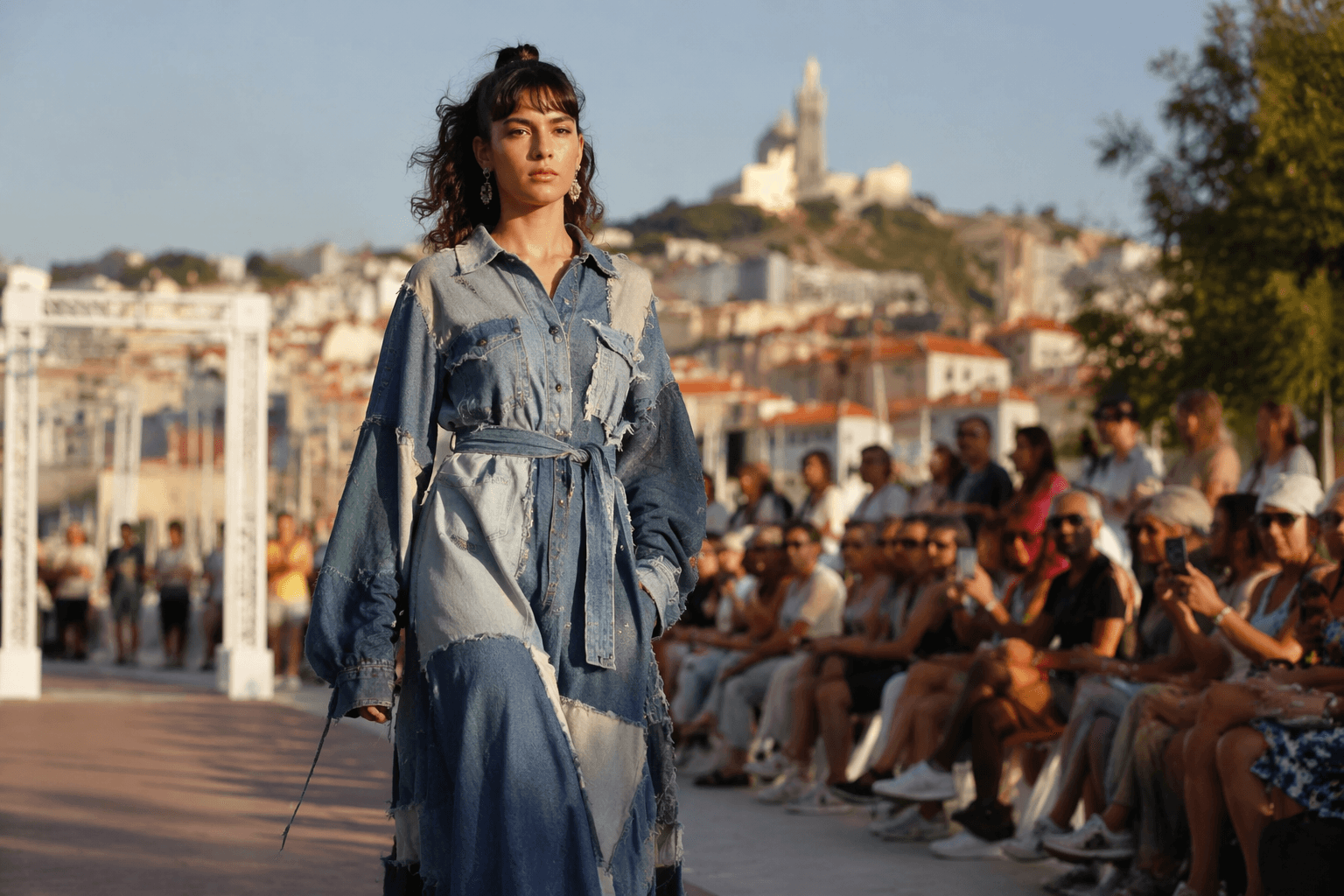
The opening on June 5 at the Jardins des Vestiges of the Musée d’Histoire de Marseille set the tone: fashion left the showroom and entered a place tied to the city’s own memory. By the finale on June 13 at La Major, Maritima reported 105 recycled silhouettes and an audience of more than 2,000 people, a crowd size that suggests public-facing fashion can pull beyond the usual trade audience when the price of admission is nothing and the setting feels unmistakably local.
Marseille’s city government described the week as a response to “traditional, elitist” fashion weeks and their environmental impacts, and the scale backs up that argument. The city counted more than 40 events, while Marseille tourism put the total at more than 50. The BAGA collective organized the program with the City of Marseille and the Marseille Tourist, Leisure and Convention Bureau, and the city said BAGA now brings together more than 120 brands, professionals and artisans in responsible fashion, including 24 companies labeled “Fabriqué à Marseille.” That is the real shift here: sustainability messaging moved out of the seminar room and into the street, where local makers could actually be seen, touched and shopped.
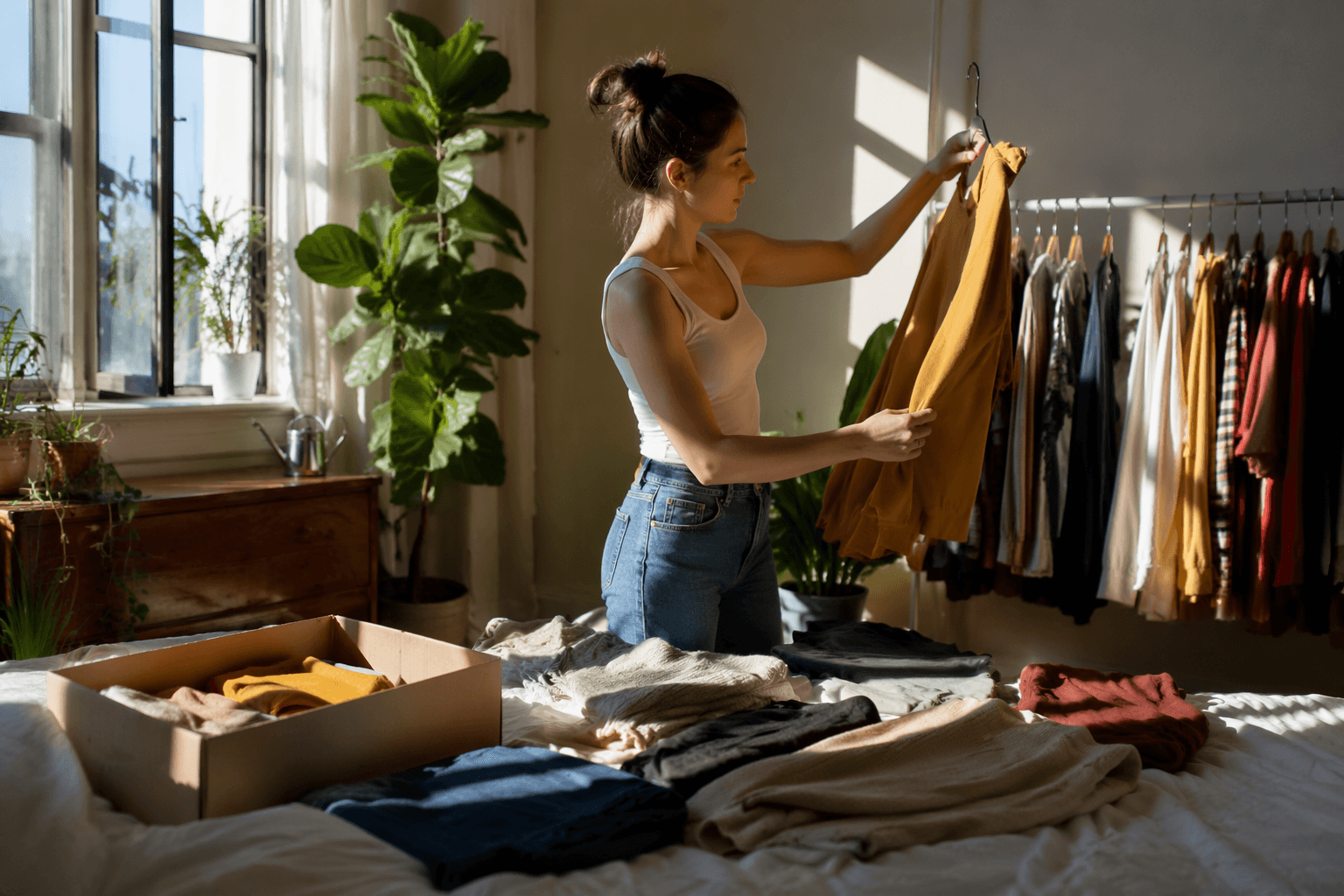
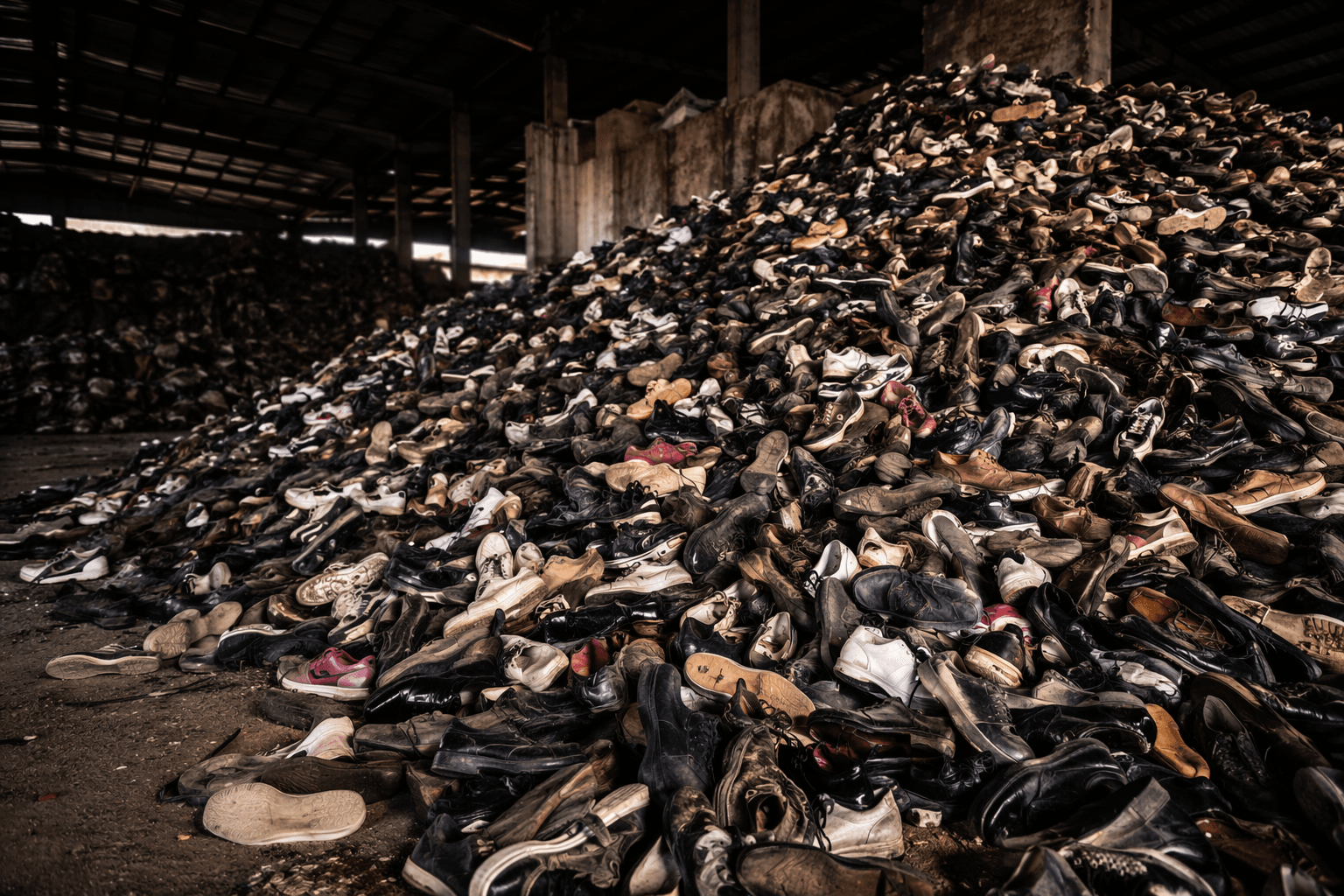
Marion Lopez, who spent 15 years working between Paris and factories abroad before returning to southern France, founded an eco-responsible fashion school in 2021 and has made the case that recycled materials can stand in for new production without sacrificing style. Charlotte Labigne sharpened that message with one blunt statistic: making a new cotton jean requires 11,000 liters of water. In Marseille, that kind of number mattered less as abstract ecology than as a practical argument for thrift, repair and reuse.
The city’s strongest advantage may be cultural. Juliette Moutte pointed to Marseille’s habit of “system D” - reuse, swapping and thrift - as the reason upcycling feels native here, not imported. The shows reflected that instinct in their casting as well, with models of varied ages and body types, and with Marj Label’s runway at Fort Saint-Jean featuring people with disabilities and blind models. Samia Ghali said a runway staged at a tram maintenance center offered a new way to look at public infrastructure and support the local economy, which is the sharpest reading of the week: if fashion wants to change how people consume, it has to begin by changing where fashion happens.
This article was produced by Prism’s automated news system from verified source data, official records, and press releases, then run through automated quality and moderation checks before publishing. The system is built and supervised by the people who set the standards it runs under. Read our full AI policy.
Know something we missed? Have a correction or additional information?
Submit a Tip