‘Meet the finalists’ — GeekWire highlights Ravel and other sustainable‑innovation contenders
Seattle's Ravel turns elastane-laced garment waste into recycled polyester at cost parity with virgin material, earning a 2026 GeekWire Sustainable Innovation finalist spot.
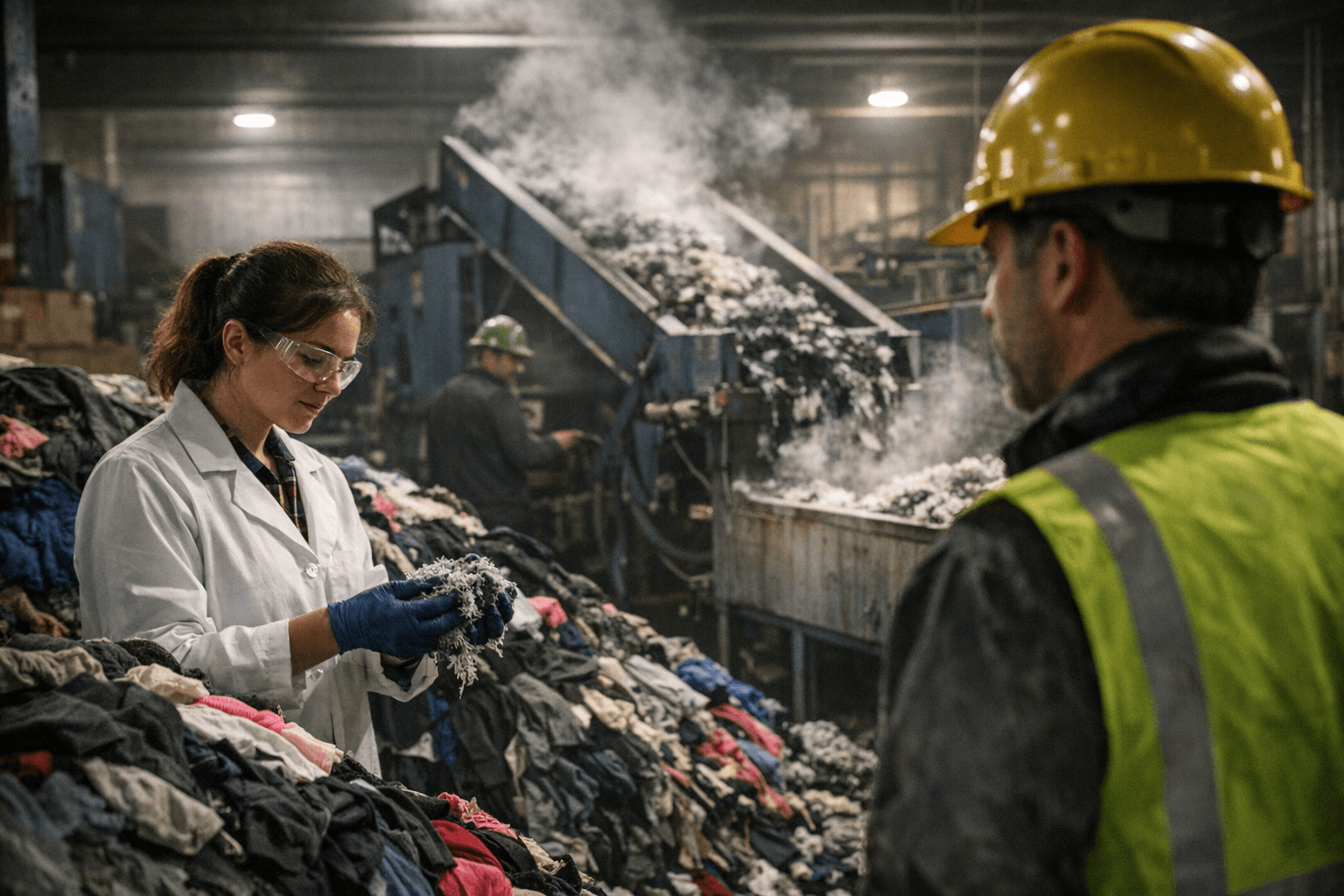
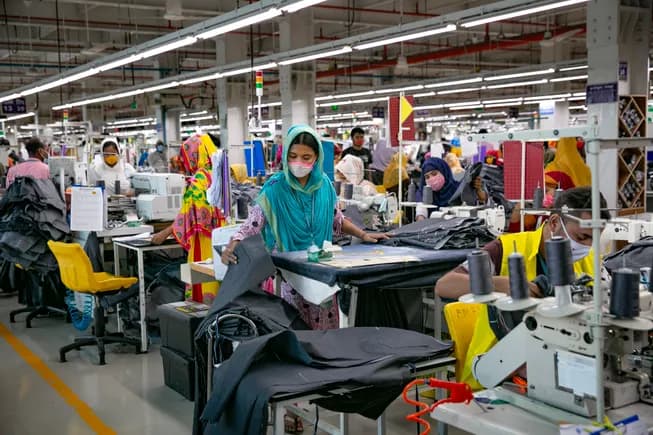
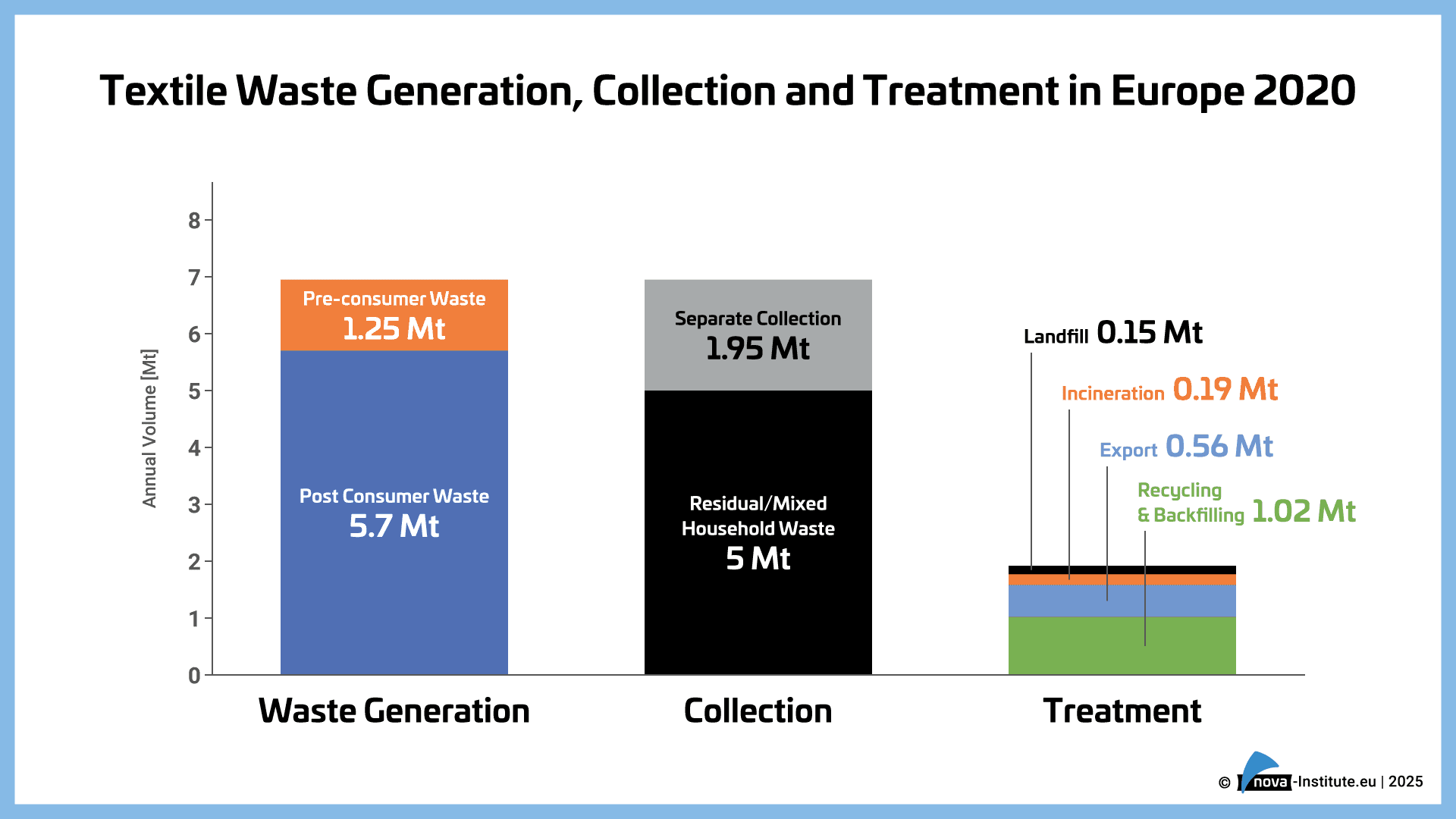
The fashion industry recycles just 13% of clothing and shoes while producing roughly twice the garments it made in the early 2000s. Seattle startup Ravel is trying to close that gap with a recycling process that does what most other technologies cannot: unmix the blended fabrics that fill landfills by the ton.
GeekWire named Ravel one of five finalists for its 2026 Sustainable Innovation Award, presented by Amazon, placing the seven-year-old textile company alongside nuclear energy developer TerraPower, fusion startup Helion, carbon-conversion company OCOChem, and IUNU, a Seattle agtech firm using AI and machine vision in greenhouse agriculture.
Ravel's core challenge is elastane, the stretchy fiber also sold as spandex or Lycra that is knitted into the majority of athletic wear, underwear, and denim. Conventional recycling methods cannot isolate it from polyester, effectively rendering most blended garments unrecyclable. Ravel's proprietary purification process strips out the elastane without depolymerizing the base fibers, a distinction that matters because it preserves material quality, cuts processing time, and reduces energy intensity compared to chemical breakdown approaches. What comes out the other end is drop-in rPET pellets, cost-competitive with virgin polyester, that can be reformed into fiber, yarn, and eventually new fabric.
The startup, led by CEO Zahlen Titcomb, closed a pre-seed funding round at the end of 2024, backed by At One Ventures, Collateral Good, Collaborative Fund, Climate Capital, Betterway Ventures, and Moonstone VC. Helen Lin, a partner at At One Ventures, described Ravel as "unique in the market in that it has the clear technoeconomic win on all fronts." The company is targeting a $61 billion polyester market and has expansion planned into the $13 billion elastane segment.
The finalist field puts Ravel in unusual company. TerraPower, the nuclear developer backed by Bill Gates, became the first next-generation nuclear company in the U.S. to receive federal construction approval in March 2026. Helion is pursuing commercial fusion power. That Ravel competes for the same recognition as these capital-heavy infrastructure plays signals how seriously investors and award panels are now treating textile recycling as a genuine climate technology, not a niche sustainability afterthought.
The clothes you already own, made from blended fabrics that currently have nowhere to go at end of life, could become the raw material for the next generation of garments. Getting that loop to close at commercial scale is where most recycling ambitions have stalled. Ravel's presence in this finalist class suggests the Seattle pilot facility may be closer to proving the model than the fashion industry has seen before.
This article was produced by Prism’s automated news system from verified source data, official records, and press releases, then run through automated quality and moderation checks before publishing. The system is built and supervised by the people who set the standards it runs under. Read our full AI policy.
Did this article answer your question?