Nine Outfit Combinations That Build a Low-Impact, Long-Lasting Capsule Wardrobe
Nine proven outfit combinations built for longevity, repairability, and the kind of versatility that makes buying less feel effortless.
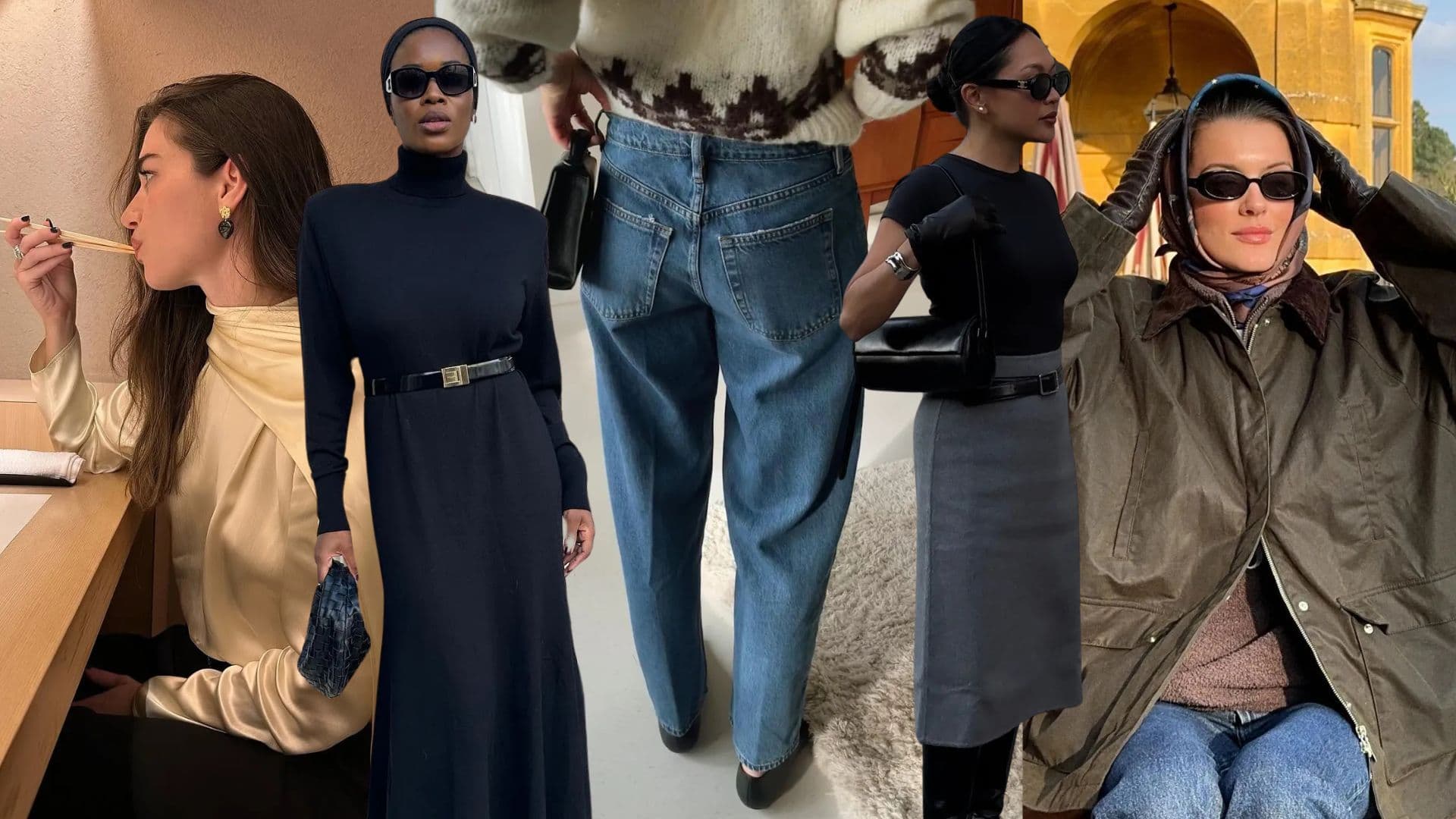
Nine outfits. Infinite repeat wears. Over 68% of US consumers now prioritize eco-friendly textiles in their purchasing decisions, yet most closets are still full of single-use pieces that won't survive a second season. The antidote isn't a total overhaul. It's choosing outfit blocks that are designed to last, built from fabrics that hold up, and styled in combinations that work hard enough that you stop reaching for anything else.
These nine combinations are the ones worth building around.
The Tailored Blazer, White Tee, and Dark Straight Trousers
This is the workhorse of the group, the outfit that reads as intentional whether you're in a meeting or a gallery opening. The key is fabric weight: a midweight organic cotton or lyocell blazer will drape cleanly for years in a way that a cheaper poly blend simply won't. Lyocell earns its place here because of its closed-loop production, lower water use, and superior durability; its reduced replacement frequency means the higher upfront cost offsets over three to five years. Pair a structured blazer with a clean white organic cotton tee and dark, well-cut straight trousers, and you have a combination that absorbs accessories differently every time: a sculptural earring, a leather belt, a clean sneaker versus a loafer.
The Lightweight Knit, Midi Skirt, and Ankle Boot
The midi skirt has earned its permanence in the capsule conversation for good reason: its length is genuinely multi-season, layering over tights in winter and pairing bare-legged through summer. Anchor it with a lightweight knit in a neutral, oatmeal, slate, or a deep forest green, and the ankle boot becomes the styling pivot. Choose a reputable knit over a fast-fashion version; the construction of the stitch will tell you everything about how it ages. Look for reinforced seams and avoid overly open-knit styles that snag easily. The boot should be repairable: a leather or leather-look style from a brand offering resoling is a better investment than three synthetic pairs over the same period.
The Technical Shell, Base Layer, and Tapered Jogger
Activewear is one of the hardest categories to shop sustainably, largely because performance fabrics have historically leaned on virgin polyester. But durable technical fabrics are worth prioritising here above all else, because cheap performance pieces pill, lose their shape, and shed microfibres at a rate that compounds with every wash. A shell that blocks wind and light rain, layered over a fitted base layer and tapered jogger, creates a kit that transitions from a morning run to a weekend errand without requiring a change. Wash these pieces cold, with a microfibre-catching laundry bag, and they will outlast their cheaper counterparts by several seasons.
The Shirt Dress, Belt, and Flats
A shirt dress in a classic cut is one of the most underrated multi-season pieces in any wardrobe. Worn loose and fluid in summer, belted tightly and layered over a turtleneck in autumn, it refuses to be confined to a single moment in the year. Choose a cut that hits at or just below the knee, in a woven fabric that resists creasing. Midweight linen or a lyocell-cotton blend handles heat and movement better than most alternatives, and lyocell also requires less frequent washing due to its natural antimicrobial properties, which reduces utility costs and fabric wear over time. The belt is not an afterthought; it is what gives the outfit its shape and keeps the dress from reading as shapeless across different body types.
The Denim Jacket, Linen Tee, and Black Jeans
Denim is one of the most environmentally intensive fabrics to produce, which makes the "buy once, buy well" logic especially urgent here. Mid-weight denim holds its structure longer than the lighter weights common in fast fashion, and certifications like the Global Organic Textile Standard (GOTS) or the Fair Wear Foundation ensure that environmental and social criteria are met. Style the jacket over a relaxed linen tee, linen breathes well and softens beautifully with age, and ground it with a pair of straight or slim black jeans. When the elbows or cuffs show wear, mend rather than replace. In Japan, the practice of sashiko uses hand embroidery to create a delicate pattern over tears in jeans, sweaters, or dresses, reframing visible repair as craft rather than damage.
The Neutral Sweater, Pleated Skirt, and Loafers
This combination rewards restraint. A sweater in camel, cream, or warm grey, worn with a pleated skirt that moves well and loafers that ground the look, lands somewhere between polished and easy that few other outfits manage. Layer it for warmth by adding a longline coat or wrapping a fine-knit scarf at the neck. The pleated skirt works best in a woven fabric with enough body to hold its pleats: a mid-weight crepe or structured lyocell blend will keep its shape through repeated wearing far longer than a cheaper satin alternative. The loafer should be a considered purchase. A leather sole that can be replaced extends the shoe's life by years and keeps it out of landfill well past the point at which a glued synthetic sole would have failed.
The Little Black Dress with Two-Way Styling
The LBD earns its place not through novelty but through adaptability. A well-chosen one, in a fabric with enough weight to drape without clinging, can move from a daytime work setting to an evening occasion with nothing more than a footwear and accessory change. During the day: a low heel or clean flat, a structured tote, and a simple knit layered on top. At night: a heel or ankle boot, a small bag, and a single bold piece of jewellery. The two-way styling principle is what makes this a capsule essential rather than an occasion piece. Buy it in a fabric that responds well to a cool, gentle wash rather than one that requires dry-cleaning on every wear; that care requirement alone will determine how often you actually reach for it.
The Overshirt, Tee, and Chinos
The overshirt has quietly become one of the best work-leisure crossover pieces available, and its longevity as a style reflects the fact that it solves a real problem: what to wear when the environment keeps shifting. Worn open as a light layer over a plain tee and tailored chinos, it reads as smart-casual; buttoned up, it functions almost as a shirt jacket. Choose a midweight woven cotton or cotton-linen blend that won't feel suffocating indoors. Chinos in a versatile neutral, navy or stone, extend the combination's range further. These are all pieces that benefit from early repair attention: a loose button re-sewn immediately lasts indefinitely, but left too long, the fabric around the buttonhole frays past the point of easy fixing.
The Lightweight Coat, Scarf, and Tailored Trousers
One good outerwear investment changes the calculus of everything underneath it. A lightweight coat in a neutral, camel, off-white, or charcoal, elevates even the simplest base outfit and signals intention in a way that a rotation of cheaper alternatives never quite achieves. This is the piece worth spending the most on. A wool or wool-blend construction will regulate temperature across multiple seasons; a recycled-wool option reduces the virgin-resource demand without compromising warmth or drape. Pair it with tailored trousers and a scarf that works as both a neck layer and a belt alternative, and the combination handles everything from a sharp autumn morning to a mild winter afternoon. Store the coat on a padded hanger at the end of each season, rather than folded, to preserve the shoulder structure across years.
The thread running through all nine combinations is the same: repairing and repurposing clothes can extend their lifetime, helping reduce the environmental impacts of the fashion industry. Buy fabrics you will wear with frequency, address damage at first sight rather than last resort, follow the laundering guidance for natural fibres, and store pieces in a way that prevents unnecessary stress on construction. A capsule built this way doesn't just reduce how much you buy. It changes what you notice when you shop, which is a quieter, more lasting form of change.
This article was produced by Prism’s automated news system from verified source data, official records, and press releases, then run through automated quality and moderation checks before publishing. The system is built and supervised by the people who set the standards it runs under. Read our full AI policy.
Did this article answer your question?


