New Balance Adds Apparel to Reconsidered Resale Program After 100,000 Shoes Recirculated
New Balance's Reconsidered resale platform has recirculated 100,000+ shoes since 2024 and now lets you shop pre-owned apparel too.
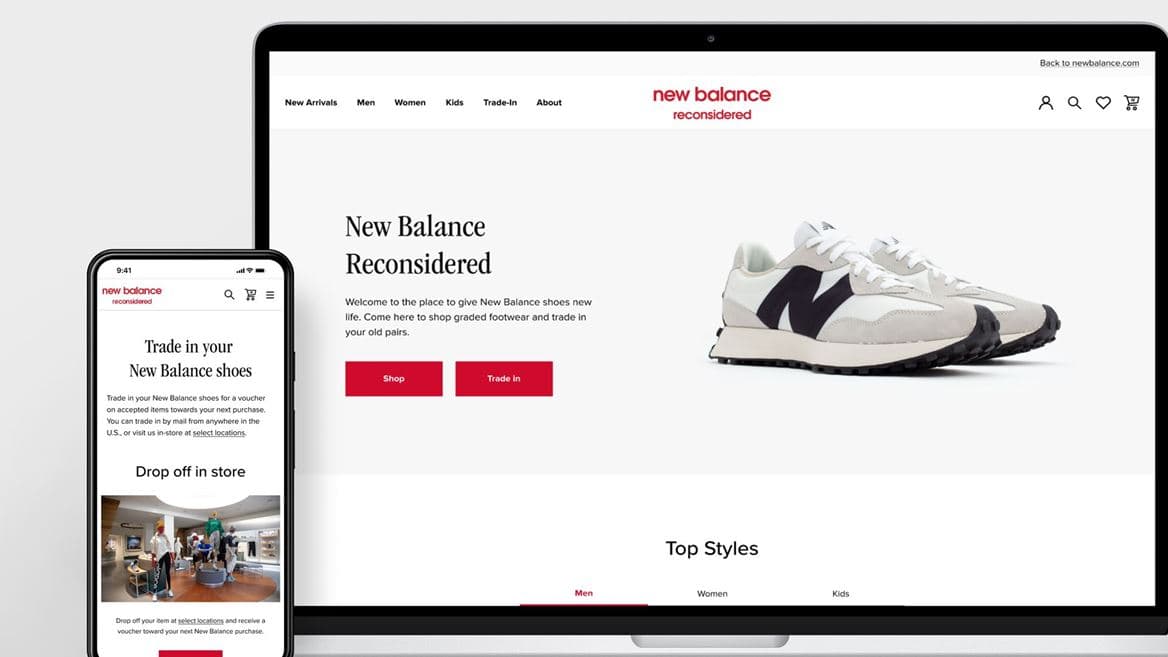
New Balance crossed 100,000 pairs of recirculated footwear through its Reconsidered resale platform and promptly raised the stakes: the Boston-based brand announced on March 11 that pre-owned apparel is now available to shop alongside shoes, marking the program's first major category expansion since its February 2024 launch.
The move means shoppers can browse cleaned and inspected New Balance gear, including consumer returns with cosmetic imperfections that the company cannot sell as new, across both clothing and footwear in a single resale channel. Tracy Knauer, vice president of North America marketing and direct-to-consumer operations, called it a direct response to the audience Reconsidered has already built. "Reconsidered has been an impactful platform for New Balance consumers to access popular, like-new or gently worn styles while helping to extend the life of our footwear," Knauer said. "We've seen an influx of new customers come to us through Reconsidered, so we're excited to continue offering them even more options through our expansion into the apparel category."
The trade-in mechanics remain footwear-only for now. Bring in gently worn New Balance shoes by mail or at any of the more than 100 participating U.S. retail stores, and the brand issues a voucher redeemable toward a new purchase online or in store. Apparel is not currently eligible for trade-in, a limitation the brand acknowledged explicitly at launch.
John Stokes, New Balance's director of sustainability, was direct about what the program is trying to solve. "We know the footwear industry has a significant environmental impact, including too many products ending up in a landfill," Stokes said. "There are many things that have to shift. Launching Reconsidered is one piece of the puzzle."
The commercial logic behind the expansion is equally pointed. An analyst identified as Sanders in Digital Commerce 360's coverage argued that the resale channel accomplishes something traditional discounting cannot. "That's a powerful retention play that traditional discounting can't replicate, because it doesn't erode the brand's premium perception," Sanders said, adding that the program functions as much as a data strategy as a sustainability one. "Every resale transaction is a touchpoint that keeps New Balance in the purchase consideration loop without paying for acquisition."
That framing lands differently when you consider New Balance's current trajectory. The brand reported worldwide sales of $9.2 billion in 2025, up 19 percent year over year, and has set its sights on $10 billion in annual revenue. Since 2020, sales have climbed 180 percent. Reconsidered, in that context, is not a niche sustainability initiative: it is a retention mechanism for a brand with serious commercial momentum and a growing base of customers who arrived through the resale door first.
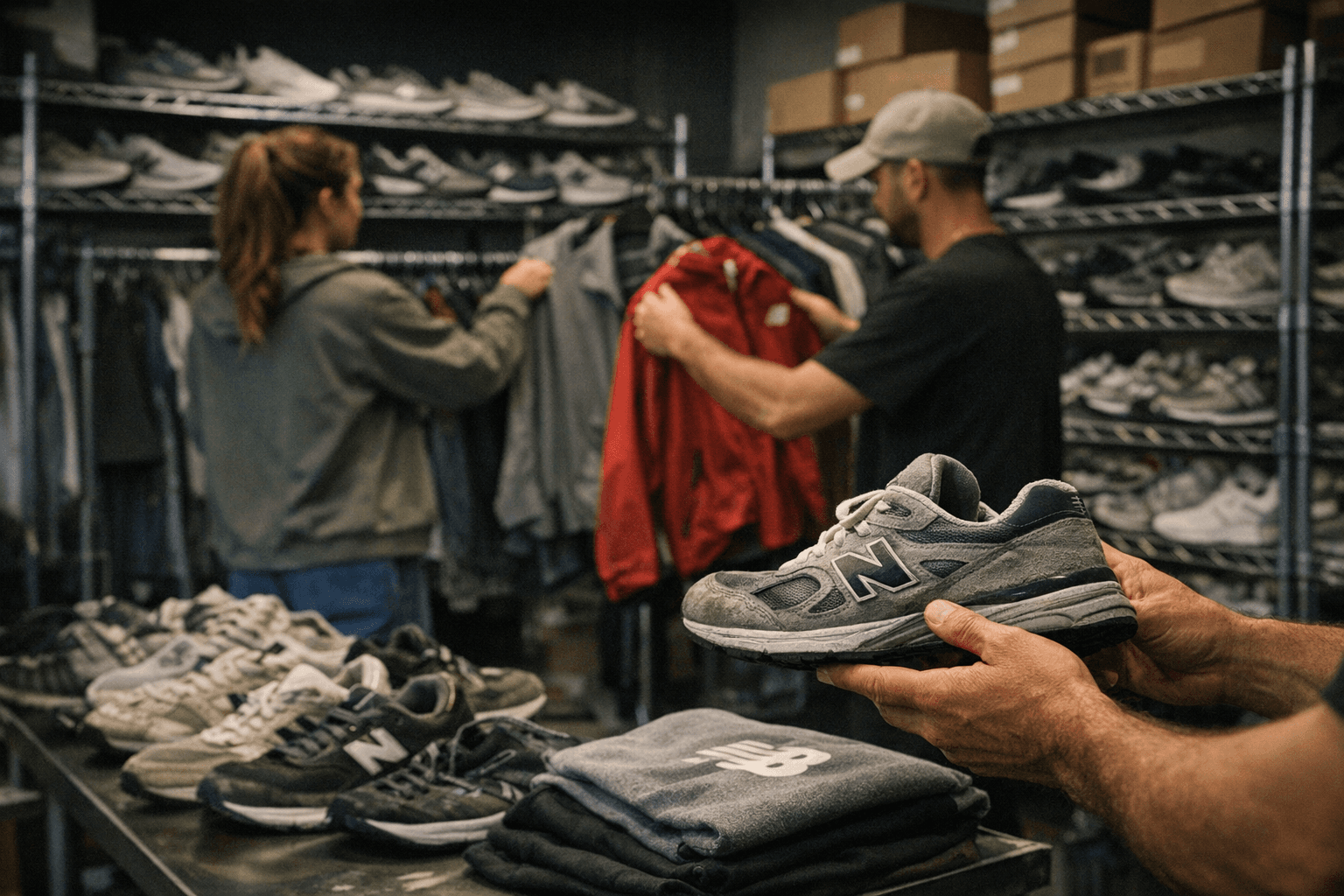
The apparel inventory currently draws from pre-owned pieces and returns, all cleaned and inspected before listing. As the platform matures, whether New Balance extends trade-in credit to clothing will be the clearest signal of how seriously it intends to build a genuinely circular loop rather than a one-directional resale channel.
This article was produced by Prism’s automated news system from verified source data, official records, and press releases, then run through automated quality and moderation checks before publishing. The system is built and supervised by the people who set the standards it runs under. Read our full AI policy.
Did this article answer your question?