New Fair Work Agency faces test on fast-fashion wage enforcement
The Fair Work Agency launched with big promises, but fast-fashion advocates want proof it can recover stolen wages, not just rebrand enforcement.
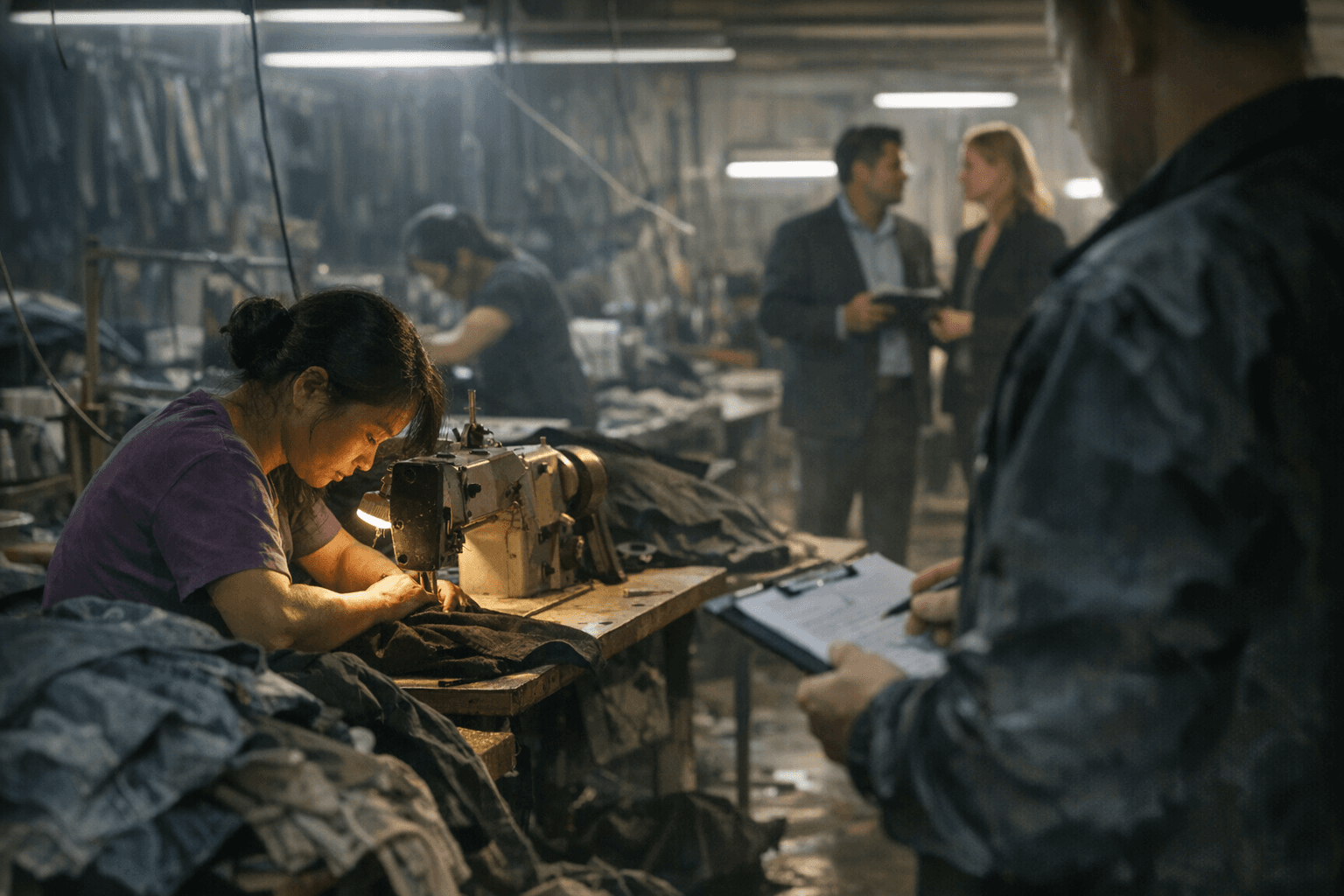
The new Fair Work Agency has arrived with the right headline and the harder test still hanging over it: whether Britain is finally ready to police fast-fashion wage theft with real force, not just a fresh logo. The government launched the body on 7 April 2026, folding together enforcement of the National Minimum Wage, agency worker protections and gangmaster licensing, with holiday pay to be added over time.
That sounds tidy on paper. In practice, the fashion sector will judge it by something far less glossy: how many inspectors it has, how much money it is given, and whether it can actually chase back unpaid wages. The government has said around 900,000 people have holiday pay withheld each year, a staggering number that turns enforcement from a policy talking point into a basic question of cash in workers’ pockets. Matthew Taylor, appointed as the agency’s first chair in October 2025, now has to prove that the new body can do more than merge existing responsibilities into a single office.
Labour Behind the Label, in its 6 April briefing The Fair Work Agency – what workers need, welcomed the launch but warned that the agency will fail the people it is meant to protect unless it is properly resourced and worker-centred. That means a single, robust access point for complaints, meaningful remedies when employers break the rules, and enough budget to handle the scale of abuse that still runs through vulnerable supply chains. The TUC sharpened the warning on 17 April, saying the agency launched into a labour market where many workers still are not paid the minimum wage, holiday pay is denied and tribunal awards remain unpaid.
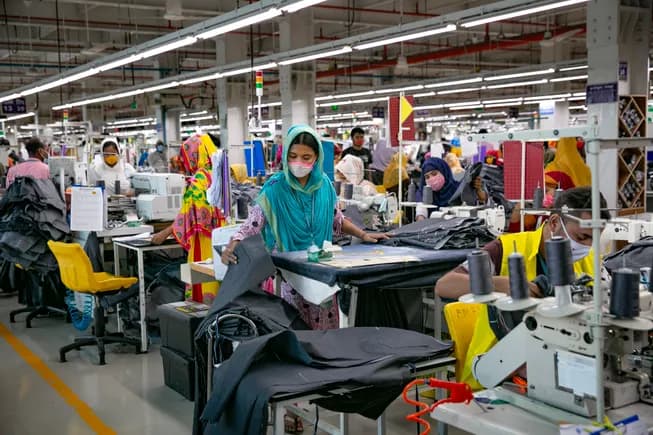
For fashion, the pressure point is Leicester, still the country’s main garment manufacturing hub and still a byword for the gap between brand promises and factory-floor reality. Labour Behind the Label has long argued that thousands of workers remain employed there, while repeated investigations have exposed underpayment and abuse. HMRC figures reported by the BBC found more than 1,200 garment workers in Leicester were illegally underpaid over five years, with £177,678 in National Minimum Wage arrears and £338,504 in penalties identified across 2019-20 to 2023-24. That is the scale the new agency must confront if it is serious about the fast-fashion economy.
The timing matters too. From 6 April, statutory sick pay became payable from the first full day of sickness and the lower earnings limit was removed, making enforcement of sick pay more relevant for low-paid workers in supply chains. The Fair Work Agency can either become the body that finally gives workers a route to repayment, or another well-branded layer over the same old evasion.
This article was produced by Prism’s automated news system from verified source data, official records, and press releases, then run through automated quality and moderation checks before publishing. The system is built and supervised by the people who set the standards it runs under. Read our full AI policy.
Did this article answer your question?